






More Weight Control, Nutrition & Exercise Articles
Is Baloney (Bologna) Good for You?
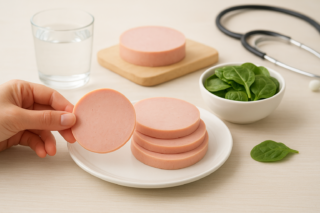
By Your Health Magazine Health Information Team
Baloney, also spelled bologna, is not considered an especially nutritious everyday food. It provides some protein and nutrients, but it is usually high in sodium and saturated fat and is classified as processed meat. An occasional serving can fit into an otherwise balanced diet, but leaner, less-processed protein choices are generally better for regular meals.
What Is in Bologna?
Bologna is typically made from finely ground beef, pork, poultry, or a combination of meats. Salt, seasonings, preservatives, and sometimes sweeteners or starches may be added. Ingredients and nutrient levels vary substantially among brands and varieties.
A representative one-ounce slice of beef bologna contains approximately:
| Nutrient | Approximate amount per slice |
|---|---|
| Calories | 80–90 |
| Protein | About 3 grams |
| Total fat | 7–8 grams |
| Saturated fat | About 3 grams |
| Sodium | 280–300 milligrams |
| Fiber | 0 grams |
Two slices double these amounts before bread, cheese, condiments, or side dishes are included. Because formulations differ, the Nutrition Facts label on the package is the most accurate guide for a particular product.
Does Baloney Have Any Nutritional Benefits?
Bologna is not nutritionally empty. Depending on the meat and recipe, it may supply protein, vitamin B12, zinc, and iron. It is also inexpensive, convenient, and ready to eat, which can make it useful when time, food access, or cooking facilities are limited.
However, the protein content is often modest relative to the calories, fat, and sodium. Foods such as eggs, beans, lentils, fish, skinless poultry, tofu, or minimally processed lean meat usually provide more nutritional value with fewer of bologna’s disadvantages. General nutrition guidance from MedlinePlus emphasizes variety, lean protein sources, fruits, vegetables, whole grains, and limiting salt and saturated fat.
Why Eating Bologna Frequently May Be a Concern
It can contain a substantial amount of sodium
A single slice may provide roughly 12% to 13% of the 2,300-milligram daily sodium limit used for teens and adults. A sandwich with two slices, cheese, bread, and condiments can contain much more.
The CDC’s information about sodium and health notes that excessive sodium intake can raise blood pressure and increase the risk of heart disease and stroke. People with high blood pressure, heart disease, or kidney disease may need to be particularly mindful of sodium, based on guidance from their healthcare professional.
Many varieties are high in saturated fat
Traditional beef or pork bologna may contain about 3 grams of saturated fat per slice. Two slices can therefore contribute a significant portion of the recommended daily limit. Regularly replacing foods high in saturated fat with sources of unsaturated fat—such as nuts, seeds, avocado, olive oil, and fish—can support a more heart-healthy eating pattern.
It is processed meat
Bologna is generally processed through methods such as salting, curing, or adding preservatives. The World Health Organization’s review of red and processed meat concludes that there is convincing evidence that processed meat causes colorectal cancer, with risk increasing as consumption rises.
This classification describes the strength of the evidence that processed meat can cause cancer; it does not mean that eating bologna carries the same level of danger as smoking. An occasional sandwich is different from eating large portions of processed meat every day. The practical goal is to limit how frequently processed meats appear in the overall diet.
Are Turkey Bologna and “Uncured” Bologna Healthier?
Turkey or chicken bologna may contain fewer calories, less total fat, or less saturated fat than traditional beef or pork versions. However, poultry-based products can still be high in sodium and remain processed meat. “Reduced-fat” also does not automatically mean “low-sodium.”
Products labeled “uncured” may use ingredients such as celery powder instead of conventional curing agents. They are still processed foods and should not automatically be viewed as equivalent to fresh poultry or unprocessed meat.
When comparing products, check the same serving size and prioritize:
- Lower sodium, ideally with a meaningful reduction compared with the regular version
- Less saturated fat
- A short ingredient list that you understand
- More protein relative to calories
- A serving size that reflects how much you will actually eat
How to Make a Bologna Sandwich More Balanced
If you enjoy bologna, you do not necessarily have to eliminate it. Portion size and the rest of the meal matter.
- Use one slice instead of stacking several slices.
- Choose whole-grain bread to add fiber.
- Add vegetables such as lettuce, tomato, cucumber, spinach, or bell pepper.
- Limit salty additions such as processed cheese, pickles, and heavily salted condiments.
- Pair the sandwich with fruit, raw vegetables, or an unsalted side instead of chips.
- Alternate with less-processed fillings such as leftover chicken, tuna, hummus, egg, or mashed beans.
Food-Safety Considerations
Ready-to-eat deli meats can occasionally be contaminated with Listeria. Pregnant people, adults age 65 or older, and people with weakened immune systems are at greater risk of serious infection. The CDC’s Listeria prevention guidance recommends that people in these groups avoid unheated deli meat or reheat it to 165°F or until steaming hot.
Keep bologna refrigerated, follow the package’s use-by instructions, and discard it if it has an unusual smell, color, or texture. Opened packages of lunch meat should generally be used or frozen within three to five days.
When to Seek Care
Contact a healthcare professional promptly if you are pregnant, age 65 or older, or immunocompromised and develop fever, muscle aches, unusual tiredness, headache, stiff neck, confusion, or balance problems after eating deli meat. Severe confusion, seizures, difficulty staying awake, or other rapidly worsening symptoms require urgent medical attention.
If you have high blood pressure, kidney disease, heart disease, or dietary restrictions, a physician or registered dietitian can help determine how processed meats fit into your eating plan. As with other health decisions, comparing specific benefits and risks is more useful than relying on a product’s reputation alone. The same approach is discussed in our guide to comparing the strength and effects of Valium and Xanax.
Bottom line: Baloney is best treated as an occasional convenience food rather than a primary protein source. Choosing a lower-sodium variety, limiting the portion, adding vegetables and whole grains, and rotating in less-processed proteins can make your overall diet more nutritious.
Other Articles You May Find of Interest...
- Is Baloney (Bologna) Good for You?
- Preventive Health With Food Freedom? Can Dietary Fiber and Antioxidants Defend Our Bodies Against the Ravages of Junk Food? See What the Research Indicates
- 7 Questions to Compare Online Weight Management Programs
- What Makes a Skort Suitable for Both Indoor and Outdoor Sports Activities
- What Does a Balanced Diet Really Look Like in Everyday Life?
- How to Judge an Online Weight Loss Program Before Signing Up
- How Busy Professionals Can Make Fitness and Wellness Part of Their Everyday Routine
Featured Doctors and Practices





