Your Health Magazine Contributor
4201 Northview Drive
Suite 102
Bowie, MD 20716
More Dental Health Articles
Why Comprehensive Dental Care Matters at Every Stage of Life
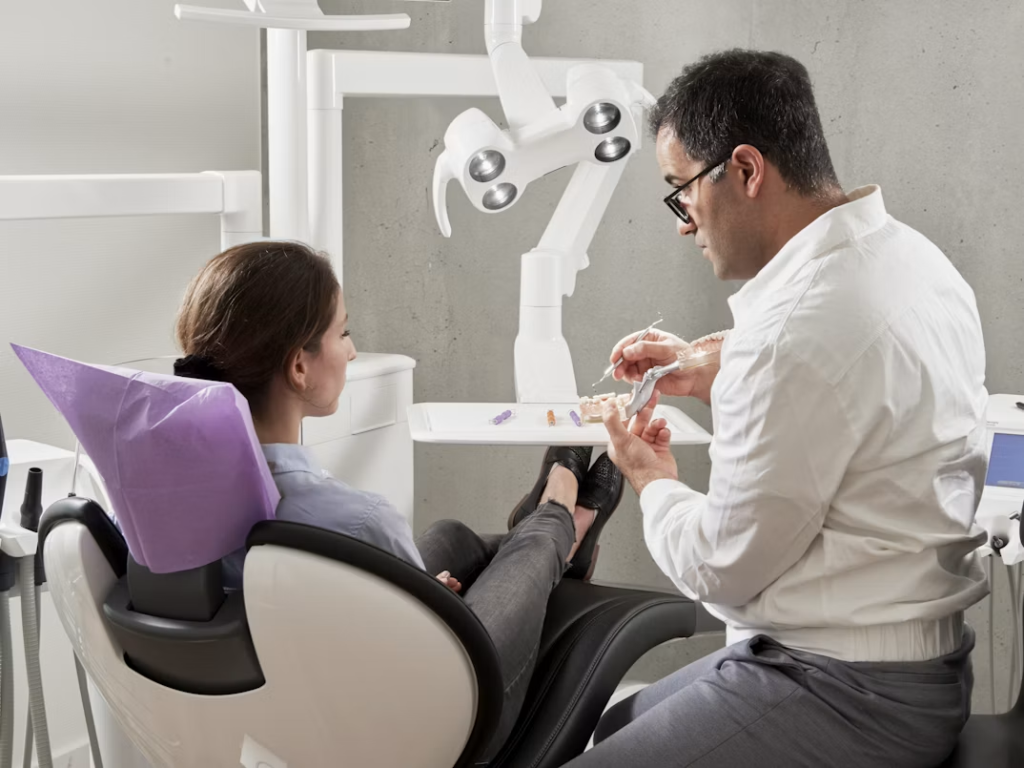
Oral health needs change throughout life, making comprehensive dental care valuable for maintaining healthy teeth, gums, and everyday function as circumstances change. In Attleboro, Massachusetts, Attleboro Family Dental Care is one example of a practice offering preventive, restorative, cosmetic, orthodontic, periodontal, endodontic, and other dental services for a range of oral health needs. Having access to appropriate dental care at each stage of life can make it easier to prevent common problems, recognize changes early, and address concerns before they interfere with eating, speaking, or daily comfort.
Childhood Builds the Foundation for Healthy Teeth
Childhood is an important period for establishing oral hygiene habits that can influence dental health well into adulthood. Regular brushing, appropriate fluoride use, balanced eating habits, and professional dental visits help protect primary teeth while permanent teeth are developing. Dental examinations also allow providers to monitor tooth eruption, jaw development, and other changes that occur as a child grows.
Preventive appointments can identify early signs of decay and provide parents with practical guidance for improving home care. Dentists may also recommend preventive measures based on a child’s individual risk factors and the condition of developing teeth. Making routine dental visits familiar from an early age can encourage children to view oral care as a normal part of maintaining their health.
Adolescence Brings Different Oral Health Challenges
Teenagers often face new dental concerns as permanent teeth develop and daily routines become more independent. Frequent snacking, sugary or acidic drinks, inconsistent brushing, and busy schedules can make it harder to keep teeth clean. Regular examinations and professional cleanings help identify problems and reinforce effective hygiene habits.
Orthodontic treatment is also common during adolescence, although patients may begin treatment at other ages depending on their needs. Braces and other orthodontic appliances can create additional areas where plaque and food debris collect, making careful cleaning especially important. Coordinating orthodontic treatment with routine dental care helps ensure that straightening the teeth does not come at the expense of tooth or gum health.
Adulthood Requires Consistent Preventive Care
Adult life can make routine dental appointments easy to postpone because work, family responsibilities, and other commitments often take priority. However, cavities, gum inflammation, damaged restorations, and tooth wear can develop without immediately causing significant discomfort. Regular examinations give dental professionals a chance to detect changes that might otherwise go unnoticed.
Professional cleanings remain important because plaque can harden into deposits that ordinary brushing and flossing cannot effectively remove. Dental appointments can also be used to assess older fillings, crowns, bridges, and other restorations for signs of wear or damage. Maintaining consistent care can help adults protect previous dental work while reducing the risk of preventable problems becoming more complicated.
Restorative Care Helps Preserve Function
Even with effective preventive habits, teeth can sometimes become damaged by decay, injury, wear, or other factors. Restorative dentistry may involve fillings, crowns, bridges, root canal treatment, or other procedures chosen based on the tooth’s condition. The objective is not simply to improve appearance but also to restore comfortable function and protect remaining oral structures.
Addressing damaged teeth can also help maintain a stable bite and reduce unnecessary strain on neighboring teeth. When a tooth cannot be preserved or has already been lost, replacement options may be considered to restore chewing function and fill the resulting space. Treatment planning should take account of oral health, existing dental work, personal priorities, and the condition of the supporting tissues.
Gum Health Becomes Increasingly Important
Healthy gums and supporting bone play a major role in keeping natural teeth stable throughout life. Early gum inflammation may cause symptoms such as bleeding, redness, tenderness, or swelling, although noticeable discomfort is not always present. Regular dental evaluations allow dentists to monitor gum tissues and identify changes before they become more advanced.
Daily brushing and interdental cleaning help control plaque around the gumline, while professional care can remove hardened deposits from areas that are difficult to maintain at home. Some patients may require more focused periodontal treatment when gum disease has progressed beyond the stage that routine cleaning can adequately address. Protecting periodontal health is therefore an essential part of preserving natural teeth over the long term.
Older Adults Can Face Changing Dental Needs
Dental care can become more complex later in life as previous treatment, medications, general health changes, and reduced dexterity influence oral hygiene. Older restorations may require monitoring, while exposed root surfaces, tooth wear, missing teeth, or dry mouth can create additional concerns. Regular appointments allow dental recommendations to be adjusted as these circumstances evolve.
Maintaining comfortable chewing is particularly important because dental problems can influence which foods a person finds practical or enjoyable to eat. Dentures, bridges, implants, and other restorative options may help replace missing teeth when appropriate for the individual patient. Professional guidance can also help older adults adapt their cleaning techniques or oral care products when physical changes make established routines more difficult.
Comprehensive Care Provides Continuity Over Time
One advantage of comprehensive dentistry is the ability to consider individual dental problems within the context of a person’s overall oral health. A damaged tooth, for example, may need to be evaluated alongside gum health, bite alignment, neighboring teeth, and existing restorations rather than treated as an isolated concern. This broader perspective can support treatment decisions that account for both immediate needs and long-term function.
Continuity also allows dental professionals to observe how the mouth changes over repeated appointments. Comparing examinations and appropriate dental images over time can make subtle changes easier to recognize and investigate. As a patient’s priorities and circumstances evolve, a comprehensive approach can adapt from prevention to restorative or specialized treatment when those services become necessary.
Conclusion
Comprehensive dental care matters throughout life because oral health is constantly influenced by age, habits, previous treatment, and changing individual needs. From establishing healthy routines in childhood to maintaining restorations, protecting gum health, and preserving function later in adulthood, each stage presents different priorities that deserve appropriate attention. Combining effective home hygiene with regular professional care and timely treatment can help people maintain healthy, functional teeth and gums throughout the different stages of life.
Other Articles You May Find of Interest...
- 6 Best Dentist Options in Reston, Virginia for Family, Cosmetic, and Emergency Care
- Why Comprehensive Dental Care Matters at Every Stage of Life
- Why Preventive Dental Care Matters at Every Stage of Life
- Colored Braces: A Practical Guide for Teens and Parents in the UAE
- Brushing Teeth for Kids: Secrets to Making Healthy Habits Actually Stick
- Why Preventive Dental Care Matters More Than Most People Realize
- How Missing Teeth Can Change the Way You Eat, Speak, and Live