




Your Health Magazine Contributor
4201 Northview Drive
Suite 102
Bowie, MD 20716
More Orthodontics Articles
Orthodontic Treatment for Teens and Young Adults: What to Know Before You Begin
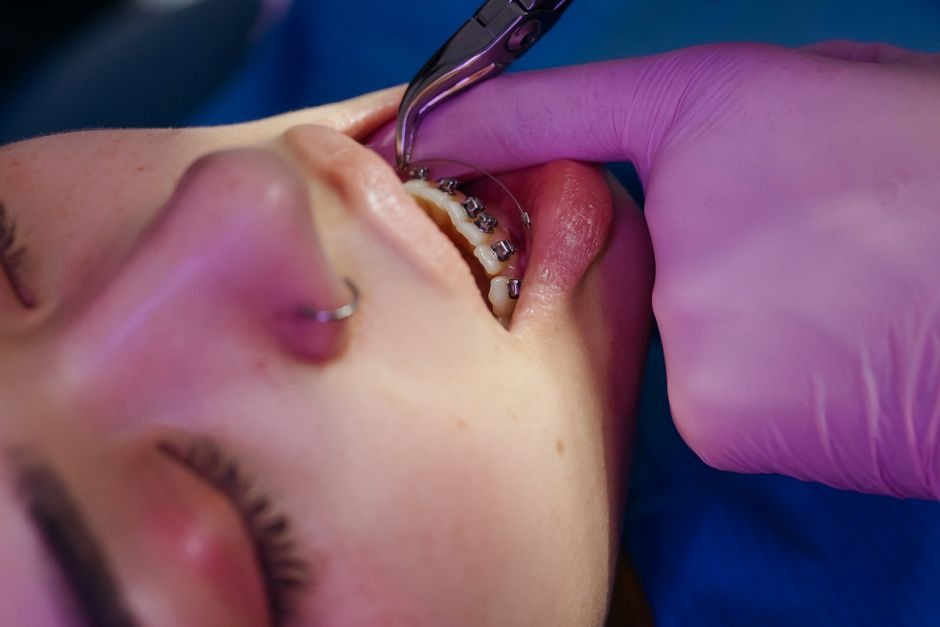
Thinking about braces or clear aligners involves more than deciding how you want your smile to look. You may be weighing school, sports, speech, cost, and the time needed for appointments. In Jeffersonville, Indiana, families often need to consider convenience alongside long-term dental care. Understand the choices and responsibilities before committing.
Your Orthodontic Needs May Be More Complex Than Crowded Teeth
Orthodontic treatment is not simply about making visible teeth look straight. An evaluation also considers how the upper and lower teeth meet, jaw relationships, spacing, overbite, underbite, crossbite, and the way your teeth function when you chew and speak.
Some people have teeth that appear fairly straight but still have a bite problem that creates uneven wear or makes cleaning difficult. Others may have crowding, gaps, teeth that erupt out of position, or jaw relationships that affect function. Mention symptoms such as clicking, discomfort, or teeth that seem to hit first when you bite. These details help the orthodontist understand the full picture.
An initial assessment may include photographs, digital scans, X-rays, and a review of dental and medical history. The goal is to identify the problem, explain the options, and develop a plan based on your individual needs carefully.
Choose a Provider Who Explains the Treatment
A useful, thorough consultation should leave you understanding what needs to change, why it needs to change, and how the proposed approach is expected to work. Ask about the estimated treatment length, appointment frequency, possible discomfort, and what happens if progress does not follow the original plan.
When comparing an orthodontist in Jeffersonville, Indiana, look for clear explanations of treatment stages, retention, hygiene, and follow-up care. The recommendation should reflect your bite, dental development, and goals rather than promote one appliance as the answer for everyone. You should also feel comfortable asking questions and discussing concerns before agreeing to treatment.
Timing Matters More Than You Might Expect
There is no single age when every teen should begin treatment. Dental development, jaw growth, the type of bite problem, and the condition of the teeth all influence timing. An evaluation can identify concerns before treatment is necessary, allowing the orthodontist to monitor development and recommend when intervention makes sense.
For some patients, early treatment can address a developing jaw or eruption issue. Others may benefit from waiting until more permanent teeth have emerged. Starting earlier is not automatically better; the important point is matching treatment to the problem and the patient’s stage of development.
The American Association of Orthodontists explains why timing depends on individual growth and dental development in its guidance on when children should have an orthodontic evaluation. An assessment is not a promise that braces will be needed immediately. It helps establish whether treatment is appropriate now, later, or not at all.
Braces and Clear Aligners Come With Different Trade-Offs
Choosing between braces and clear aligners is not only a style decision. The right option depends on the movements required, the complexity of the case, and whether the patient can follow the instructions consistently.
Traditional braces remain attached to the teeth and allow the orthodontist to guide movement through brackets and wires. They can be useful for a wide range of corrections, including more involved tooth movements. However, food can become trapped around brackets, and patients need to take extra care when brushing and flossing.
Clear aligners are removable and less noticeable, which can make eating, brushing, and some activities easier. Their success depends heavily on wearing them for the prescribed amount of time and keeping them clean. Removing trays too often or forgetting to put them back can delay progress.
The American Association of Orthodontists outlines the uses and limitations of clear aligner treatment, including why aligners are not suitable for every orthodontic problem. Discuss the likely results, responsibilities, and alternatives before choosing an appliance.
Understand the Full Cost Before Starting
The quoted treatment fee may not cover every expense. Ask whether the estimate includes records, imaging, retainers, emergency visits, replacement appliances, and follow-up appointments after active treatment. Clarify what could lead to additional charges, such as broken brackets, lost aligners, or extra refinement.
Insurance benefits vary, and orthodontic coverage may have age limits or lifetime maximums. If a payment plan is offered, review the deposit, monthly amount, financing terms, and policies for missed payments or relocation. Get the details in writing so you can compare the total commitment rather than the advertised starting price.
Daily Habits Have a Direct Effect on Progress
Orthodontic treatment continues between appointments. Braces require careful cleaning around brackets and wires to reduce plaque buildup and the risk of white marks or gum irritation. Sticky and hard foods may damage appliances, so follow the dietary guidance provided by your orthodontist.
Aligner users need to wear trays as directed, remove them for meals and drinks other than water, and clean their teeth before putting them back. Keep aligners in their case when they are not being worn. Sports may require a suitable mouthguard, while busy school or work schedules make it important to plan appointments in advance.
Retainers Protect the Result
Treatment does not end when braces come off or the final aligner is completed. Teeth can shift after active movement, so retainers help maintain their new positions while surrounding tissues adapt. Your orthodontist may recommend a removable retainer, a fixed retainer, or both, depending on your case.
Ask how often to wear it, how to clean it, and what to do if it breaks or no longer fits. Retention is a long-term responsibility, not an optional final step.
Choose a Plan That Fits Your Life
A successful orthodontic plan balances appearance, function, health, and everyday practicality. Before starting, make sure you understand the diagnosis, available options, costs, expected timeline, and responsibilities. With realistic expectations and consistent follow-through, treatment can become a manageable process that supports your long-term oral health.
Other Articles You May Find of Interest...
- Orthodontic Treatment for Teens and Young Adults: What to Know Before You Begin
- The Benefits of Getting Braces: More Than Just Straight Teeth
- What to Look for When Choosing an Orthodontist
- How to Prepare for Your First Orthodontic Consultation: A Patient Checklist for Winnipeg Families
- Retainer Material: A Practical Guide for Dentists and Dental Labs
- Dentist Or Orthodontist?
- LightForce®





