Your Health Magazine Contributor
4201 Northview Drive
Suite 102
Bowie, MD 20716
More Dental Health Articles
Why Jawbone Health Matters More Than You Might Think
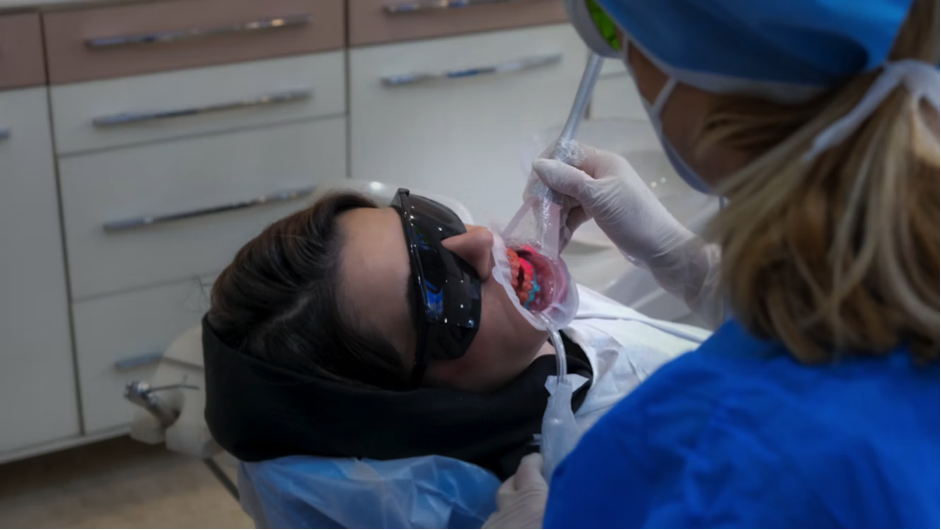
Jawbone health rarely receives the same attention as teeth and gums, yet it plays an essential role in the strength, function, and appearance of the mouth. Practices such as peachtreeomfs.com provide oral surgery services including dental implants, bone grafting, and other treatments related to jaw and oral health. Understanding why the jawbone matters can help people recognize problems earlier and make informed decisions about maintaining their oral health.
The Jawbone Provides the Foundation for Your Teeth
The jawbone acts as the structural foundation that supports the teeth and keeps them stable during everyday activities. Healthy bone keeps the roots of natural teeth securely anchored while handling the pressure of biting and chewing. When the bone begins to weaken or shrink, the stability of the surrounding teeth may eventually be affected.
The jaw also depends on regular stimulation to maintain its strength and density. Natural tooth roots transfer pressure into the bone when a person chews, signaling the body to maintain that area. This relationship explains why changes to the teeth can eventually influence the condition of the underlying bone.
Tooth Loss Can Lead to Bone Changes
When a tooth is lost, the section of jawbone that once supported its root no longer receives the same level of stimulation. Over time, the body may gradually break down and reabsorb some of the bone that is no longer being used in the same way. This process can begin after tooth loss and may continue if the missing tooth is not appropriately addressed.
Bone loss does not always produce obvious symptoms during its early stages. A person may feel comfortable after losing a tooth while changes are quietly taking place beneath the gums. As bone volume decreases, future dental treatment can become more complicated because less healthy bone may be available to support certain tooth replacement options.
Jawbone Health Can Influence Facial Appearance
The jaw does more than hold teeth in place because it also provides important structural support for the lower portion of the face. Adequate bone volume helps maintain the natural relationship between the lips, cheeks, and jawline. Significant bone loss can gradually alter these proportions, particularly when several teeth have been missing for a long period.
These changes tend to develop gradually rather than appearing immediately after tooth loss. Reduced support around the mouth may contribute to a more sunken appearance or changes in facial height in some people. Protecting oral structures can therefore benefit more than chewing and dental function.
Healthy Bone Matters for Dental Implants
Dental implants replace missing tooth roots by being placed within the jawbone. For an implant to remain stable, the treatment area generally needs enough healthy bone to provide adequate support. The condition and quantity of the jawbone are therefore important considerations when planning implant treatment.
When bone is insufficient, additional treatment may be recommended before or alongside implant placement. Bone grafting is one approach used to rebuild or preserve bone in areas where volume has been lost. Individual needs vary, which is why detailed imaging and a professional evaluation are important before deciding on treatment.
Everyday Habits Can Affect Bone Health
Maintaining good oral hygiene supports more than the visible surfaces of the teeth. Gum disease can damage the tissues and bone that hold teeth in position, particularly when inflammation progresses without treatment. Regular brushing, flossing, professional cleanings, and dental examinations can help identify concerns before extensive damage develops.
Lifestyle and general health can also affect bone health throughout the body, including the jaw. Smoking, poor nutrition, certain health conditions, and some medications may affect healing or bone strength in different ways. Discussing medical history and lifestyle factors with a dental professional can help create a more complete picture of individual oral health risks.
Early Attention Can Protect Future Treatment Options
Changes affecting the jawbone are often easier to manage when identified before substantial bone loss occurs. Dental examinations and appropriate imaging can help professionals evaluate areas that cannot be assessed by appearance alone. This can be especially valuable after tooth loss, severe gum disease, dental trauma, or persistent discomfort.
Seeking professional advice does not necessarily mean extensive treatment is required. Instead, an early assessment can clarify what is happening and whether monitoring, preventive care, or treatment is appropriate. Preserving as much healthy bone as possible may also leave more options available if restorative treatment becomes necessary later.
Conclusion
Jawbone health is an important part of oral health that can influence tooth stability, chewing ability, facial structure, and future dental treatment. Tooth loss and advanced gum disease can gradually affect the bone even when changes are not immediately noticeable, making prevention and early evaluation particularly valuable. By maintaining good oral hygiene, attending regular dental visits, and seeking professional guidance when teeth are lost or jaw problems develop, people can protect the foundation that supports a healthy, functional smile.
Other Articles You May Find of Interest...
- Brushing Teeth for Kids: Secrets to Making Healthy Habits Actually Stick
- Why Preventive Dental Care Matters More Than Most People Realize
- How Missing Teeth Can Change the Way You Eat, Speak, and Live
- Why Jawbone Health Matters More Than You Might Think
- How TMJ Problems Can Cause Neck Pain and Tension
- Crowns and Bridges: A Complete Guide to Restoring Your Smile
- Dental Crown or Filling: How Do You Know Which One You Need?