




More Complementary & Integrative Healthcare Articles
How Long Can an Ovum Survive After Ovulation?
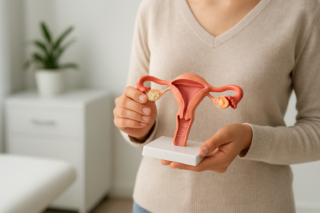
Imagine you are planning for a family and want to make sure you understand your reproductive timeline. A crucial question arises: how long can an ovum survive after ovulation? This is an incredibly important aspect when considering conception. Understanding the lifespan of an ovum helps couples time intercourse to increase the chances of conception.
How Long Can an Ovum Survive After Ovulation?
The ovum, or egg, is released from the ovary during ovulation and makes its journey through the fallopian tube. This delicate process is time-sensitive. On average, an ovum can survive for about 12 to 24 hours after being released. This narrow window emphasizes the importance of timing in the reproductive process.
The short survival period means that sperm should be present near the time of ovulation to increase the odds of fertilization. Since sperm can live for up to five days in a woman’s reproductive tract, having intercourse before or right at the time of ovulation can enhance the likelihood of the sperm meeting the egg.
Understanding the Fertility Window
The entire fertility window is more extensive than the ovum’s 12 to 24-hour lifespan. This period spans about six days — five days before ovulation and the day of ovulation itself. For those trying to conceive, understanding this window is as crucial as knowing the detailed aspects of fertility.
Factors Influencing Ovum Survival
Several factors may influence how long an ovum can stay viable. Age is a primary factor, as women’s ovarian reserves and egg quality tend to decrease over time. Hormonal balance also plays a critical role; hormonal disorders or imbalances can affect ovulation and the ovum’s lifespan.
Lifestyle factors such as stress, diet, and overall health may also influence ovulation. For instance, stress can disrupt hormonal balance, potentially impacting the ovum’s viability. A healthy lifestyle that includes a balanced diet and regular physical activity supports reproductive health.
Roles of Medical Professionals
If you’re struggling to conceive, healthcare providers like reproductive endocrinologists specialize in such issues. They can assist by offering insights into ovulation and fertility timing, along with interventions that might be necessary if conception challenges arise. An evaluation is advisable if regular cycles and optimal timing aren’t leading to conception over an extended period.
When to Seek Care
It’s important to seek care when conception efforts aren’t yielding results after a year of trying, or after six months if you’re over the age of 35. A reproductive endocrinologist or an OB-GYN can offer a comprehensive evaluation and treatment options tailored to your needs. Consider speaking with a healthcare provider if you experience irregular menstrual cycles, which might indicate ovulation issues or other underlying health concerns.
The Impact of Infertility on Daily Life
Struggling to conceive can be emotionally taxing, impacting everyday life and relationships. It may bring feelings of stress, frustration, or disappointment that affect mental well-being. Understanding the mechanics of ovulation and the factors influencing fertility can empower you, offering a sense of control and preparation in potentially stressful situations.
Opening a dialogue with healthcare providers can help carry much-needed reassurance and professional guidance. For more information on infertility, visit this resource for comprehensive insights.
Takeaways
- An ovum typically survives 12-24 hours post-ovulation.
- The entire fertility window lasts approximately six days.
- Age, hormonal balance, and lifestyle factors influence ovum viability.
- Consult a healthcare provider if conception efforts are unsuccessful after a year.
- Emotional support and accurate information are crucial when facing fertility challenges.
Common Questions
How can I track ovulation more accurately?
Tracking methods include ovulation predictor kits, basal body temperature charting, and monitoring cervical mucus changes. These can help predict fertile days.
When should I see a doctor for fertility concerns?
If under 35, seek medical advice after a year of trying to conceive. If over 35, consult a doctor after six months of consistent efforts without success.
Which specialist should I consult for fertility issues?
A reproductive endocrinologist specializes in fertility issues, providing evaluation and comprehensive treatment options for those encountering difficulties conceiving.
What factors can affect ovum survival?
Hormonal imbalances, age, lifestyle choices like diet and stress levels can all influence ovum viability and overall reproductive health.
Can lifestyle changes improve fertility?
Yes, adopting a balanced diet, regular exercise, and stress management strategies can support reproductive health and potentially improve fertility outcomes.
In closing, understanding how long an ovum can survive is vital for anyone planning a family. Whether you’re considering natural conception methods or exploring assisted reproductive technologies, this knowledge can guide your efforts and help in discussions with healthcare professionals.
Other Articles You May Find of Interest...
- Ayurvedic Medicine for Hypertension: Key Herbs, the Evidence and How to Use Them Safely
- A Peaceful Closing, A Hopeful Beginning
- The Language Of the Heart
- Kumbhaka: What Breath Retention Actually Is, And How To Practise It Safely
- Choosing a TCM Acupuncture Clinic in Singapore: Evidence, Registration and What to Expect
- The Paradigm Shift in Female Travel: Prioritizing Holistic Health
- Steam Room vs. Sauna: What Homeowners Should Know Before Buying
Featured Doctors and Practices





