More Public Safety Articles
Carbon Monoxide Poisoning: Symptoms Every Family Should Know
Carbon monoxide poisoning can happen quietly and without warning. Carbon monoxide, often shortened to CO, is a colorless and odorless gas produced when fuels such as natural gas, gasoline, wood, coal, propane, or oil do not burn completely. Furnaces, fireplaces, gas stoves, water heaters, portable generators, charcoal grills, and vehicle engines can all produce CO. Because people cannot see or smell it, a dangerous buildup may go unnoticed until someone becomes ill.
When carbon monoxide enters the body, it reduces the blood’s ability to deliver oxygen effectively. The brain, heart, and other organs may then receive less oxygen than they need. The seriousness of poisoning depends on the concentration of CO, how long a person is exposed, and their general health.
Carbon monoxide poisoning is often mistaken for the flu, food poisoning, exhaustion, or an ordinary headache. This makes it important to look at the full situation rather than a single symptom. If several people in the same home feel unwell at the same time, or their symptoms improve after they go outside, carbon monoxide should be considered as a possible cause.
Early Symptoms to Watch For
Early symptoms may be mild and easy to dismiss. They can include:
- Headache
- Dizziness or light-headedness
- Weakness or unusual tiredness
- Nausea or an upset stomach
- Shortness of breath
- Difficulty thinking clearly
A person may believe they are dehydrated, stressed, or coming down with an illness. However, symptoms linked to carbon monoxide may become worse while the person remains inside the affected area.
Signs of More Serious Exposure
As exposure continues, the symptoms can become more severe. Warning signs include:
- A strong or worsening headache
- Vomiting
- Chest pain
- Confusion or unusual behavior
- Poor balance or coordination
- Fainting
- Loss of consciousness
A confused or weakened person may not be able to leave the building without help. People who are asleep, intoxicated, or otherwise unable to notice the warning signs may be overcome before they realize there is a problem. For this reason, a sounding CO alarm should never be ignored simply because no one feels sick yet.
Who Is More Vulnerable?
Carbon monoxide can harm anyone. However, infants, older adults, unborn babies, and people with anemia, heart disease, or breathing problems may become seriously ill sooner. Healthy adults are also at risk when CO levels are high or exposure lasts for a long time.
Families should take extra care during cold weather, power outages, or any situation in which generators, heaters, fireplaces, or other fuel-burning equipment are being used more frequently.
What to Do When You Suspect CO Poisoning
If a carbon monoxide alarm sounds, or several people suddenly develop suspicious symptoms, treat the situation as an emergency.
Move everyone, including children and pets, into fresh air immediately. Leave the building instead of spending time trying to find the source. Once outside, call emergency services or the fire department and explain that carbon monoxide may be present. Anyone experiencing headache, dizziness, vomiting, confusion, chest pain, breathing difficulty, fainting, or other concerning symptoms should receive urgent medical attention.
Do not assume that opening a window has solved the problem. Ventilation may reduce the amount of gas temporarily, but it does not repair a faulty appliance, blocked vent, generator problem, or vehicle-related source. Follow the instructions of emergency responders or a qualified professional before returning.
Prevention Starts With Working Alarms
Homes with fuel-burning appliances, fireplaces, attached garages, or other possible CO sources should have working carbon monoxide alarms. Safety authorities recommend placing alarms on every level of the home and outside sleeping areas. Always follow the manufacturer’s instructions because the correct location and maintenance process can vary by model.
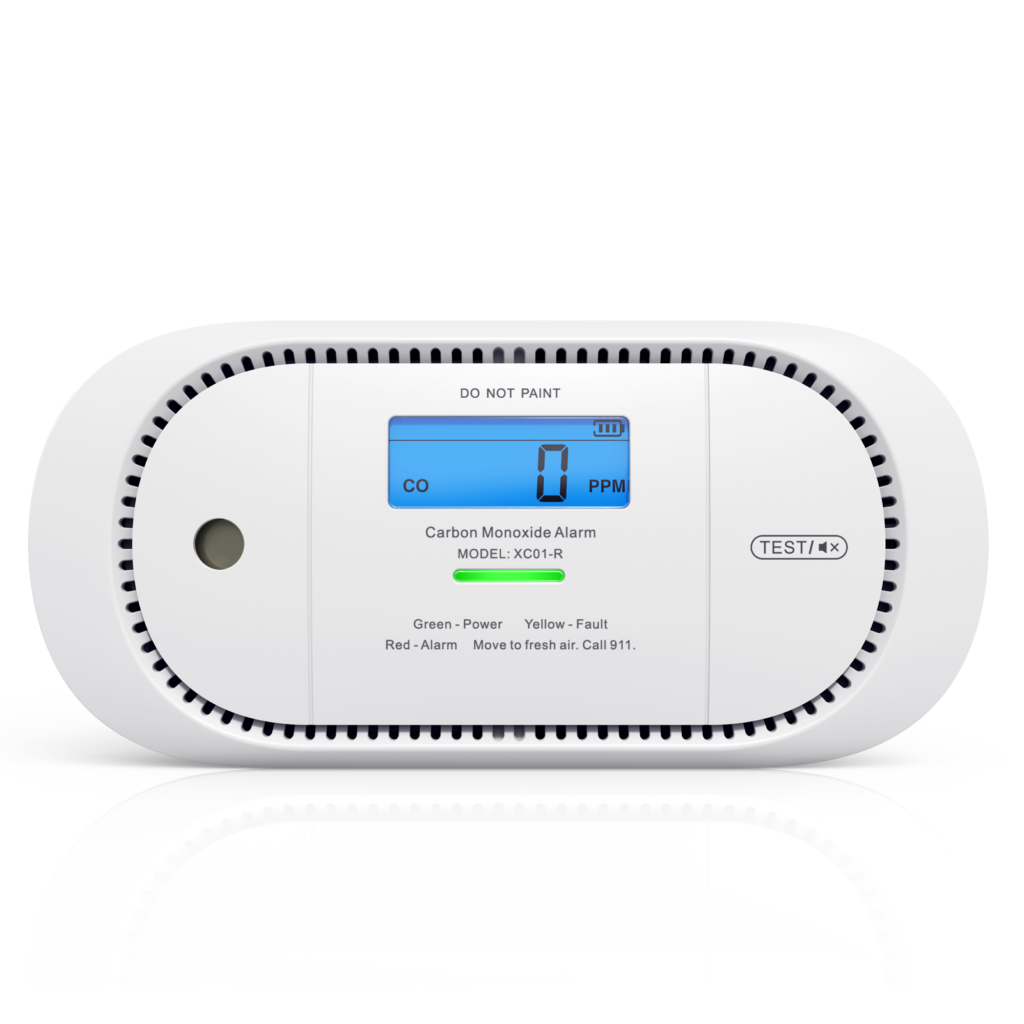
A dependable carbon monoxide alarm provides an important warning when CO builds up, but it is a backup rather than a replacement for proper ventilation, appliance maintenance, and safe fuel use. For households comparing standalone devices, the X-SENSE XC01-R portable CO detector is a battery-powered option with an electrochemical sensor and an LCD display. Whichever device a family chooses, it should be tested regularly and replaced according to the manufacturer’s stated service life.
Generators must be operated outdoors, at least 20 feet away from the home, with the exhaust directed away from doors, windows, and vents. Never use a generator, charcoal grill, vehicle engine, or other fuel-burning equipment inside a house, garage, basement, or enclosed area. Furnaces, chimneys, water heaters, fireplaces, and gas appliances should also be inspected and maintained by qualified professionals.
Final Reminder
Carbon monoxide poisoning is preventable, but families must recognize the symptoms and respond quickly. Headache, dizziness, weakness, nausea, vomiting, confusion, chest pain, and fainting should be taken seriously, especially when several people in the same place become ill. Get into fresh air, contact emergency services, and do not return until the area has been declared safe. Working alarms and careful appliance use can provide essential protection.
Other Articles You May Find of Interest...
- Common Swimming Pool Injuries and How Lifeguards Help Prevent Them
- Carbon Monoxide Poisoning: Symptoms Every Family Should Know
- Could Zombies Ever Exist in Reality? Exploring the Science Behind the Myth
- Do Zombies Really Exist? Exploring the Myths and Facts Behind Zombie Lore
- Zombies in Real Life: Exploring the Fascinating Intersection of Science and Fiction
- How Proper Safety Gear Reduces the Risk of Aquatic Accidents
- Why First Aid Training Matters for Families, Workplaces, and Communities