More Public Safety Articles
Could Zombies Ever Exist in Reality? Exploring the Science Behind the Myth
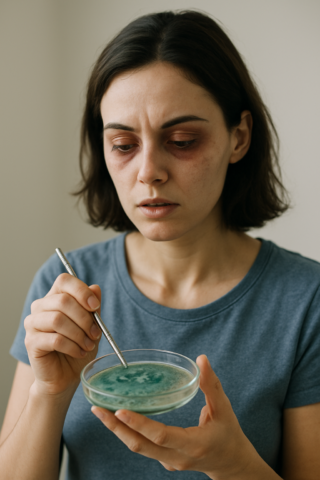
Imagine a world where people suddenly turn into zombies, craving human flesh and roaming the streets mindlessly. This scenario, popularized by movies and television shows, often leads people to wonder, could zombies exist? While the idea of reanimated corpses might seem far-fetched, examining the science behind the concept reveals fascinating insights into biology, infection, and the human brain.
Could Zombies Exist?
The notion of zombies primarily stems from Haitian folklore and popular horror genres. Traditionally, zombies are depicted as beings brought back to life through mystical or supernatural means. However, the scientific community explores similar phenomena through a different lens.
Biologically speaking, the transformation into a zombie-like state would require a profound alteration of human brain function. Some pathogens and neurological disorders can affect behavior, but current science has yet to identify an agent that can reanimate dead tissue or completely override free will.
Nonetheless, certain parasites and viruses display zombie-like control over their hosts in the animal kingdom. For instance, the parasitic fungus Ophiocordyceps unilateralis can effectively take over the body of an ant, compelling it to act in ways that benefit the fungus. Although these examples do not directly translate to humans, they illustrate how mind control mechanisms exist in nature.
Infectious Agents: Nature’s Mind Controllers
Several infectious agents in the animal world can alter the behavior of their hosts, providing a biological basis for zombie-like control. Rabies, for example, is a virus that affects the central nervous system, leading to aggression and disorientation in mammals, including humans. The rabies virus underscores how an infection can drastically alter behavior.
Despite its dramatic effects, rabies does not resurrect the dead. Instead, it highlights how certain viruses can manipulate the brain by altering neurochemical pathways. The symptoms can seem eerily reminiscent of a “zombie” state: heightened aggression and a violent urge to bite new hosts. However, these effects are due to the virus spreading before eventually proving fatal without intervention.
Could Humans Ever Lose Control?
While the prospects of the deceased rising as zombies are scientifically implausible, scenarios where humans lose control of their actions are very real, made possible by diseases impacting neuronal pathways. Conditions like Creutzfeldt-Jakob disease demonstrate how a compromised nervous system can result in impaired motor skills and cognitive abilities.
Yet, even in extreme cases, these diseases do not lead to zombification as portrayed in fiction. They emerge as debilitating but progressive disorders that erode brain function over time rather than eliciting the kind of sudden and violent behavior associated with zombies.
Role of Hallucinogens and Psychoactive Drugs
Bearing in mind the question “can zombies ever exist,” psychoactive substances in some cultures have historically been linked to inducing altered mental states. In Haiti, certain potent doses of tetrodotoxin from pufferfish, often in conjunction with hallucinogens, were believed to produce a trance-like state akin to zombification.
However, modern toxicology reveals that such effects are temporary and far from resembling true reanimation with consciousness intact. The dangers, albeit real, involve severe physiological disruption rather than a mystical resurrection.
When to Seek Care
Concern over possible exposure to neurological diseases or brain-altering conditions warrants professional evaluation. Neurologists or infectious disease specialists can offer proper assessments and potential treatments. Symptoms such as confusion, aggression, or motor impairment should prompt medical attention.
If you or someone you know exhibits sudden changes in behavior or cognition, it is advisable to consult a healthcare provider to rule out underlying neurological issues or infectious diseases.
Prevention in Daily Life
Though the threat of zombies remains in the realm of fiction, the importance of taking preventive measures against real infections and diseases cannot be overstated. Maintaining good hygiene, staying up-to-date with vaccinations, and practicing safe food handling are practical steps to safeguard health.
For instance, the rabies vaccine is a critical preventive measure for those who may be exposed to wild animals. Protective measures like these not only reduce risks but also promote overall well-being.
For more on maintaining a healthy lifestyle, you might find this article on how lifestyle choices impact our overall health insightful.
Common Questions
What are the common causes of altered mental states?
Common causes of altered mental states include neurological disorders, infections like rabies, and substance abuse. Each requires a unique approach for management and treatment.
When should you see a doctor for neurological symptoms?
If experiencing sudden or unexplained changes in behavior, cognition, or motor function, see a neurologist or healthcare provider for assessment. Early intervention is often key to effective management.
Do any medications mimic zombie-like symptoms?
Certain medications or recreational drugs can cause confusion and disorientation, but these effects vary greatly among individuals. Always discuss potential side effects with a healthcare provider when starting new medications.
Is there any effective prevention against diseases that affect brain function?
Prevention can include vaccinations, especially for diseases like rabies, and routine health checks to identify potential neurological issues early on. Leading a healthy lifestyle promotes overall brain health.
How does rabies illustrate a zombie-like infection in nature?
Rabies causes aggression and confusion in the host while the virus spreads. Though not an actual zombie virus, it shows how infections can alter behavior. Immediate post-bite evaluation and treatment are crucial.
Takeaways
- Zombies as seen in fiction remain scientifically implausible.
- Certain infections can alter behavior, though not resurrect the dead.
- Neurological symptoms should prompt medical consultation.
- Preventive health measures reduce the risk of infections.
- Explore related health topics at MedlinePlus.
While it’s intriguing to ponder the question, could zombies exist, the evidence strongly suggests that such beings remain within the bounds of imagination and entertainment, rather than reality.
Other Articles You May Find of Interest...
- Common Swimming Pool Injuries and How Lifeguards Help Prevent Them
- Carbon Monoxide Poisoning: Symptoms Every Family Should Know
- Could Zombies Ever Exist in Reality? Exploring the Science Behind the Myth
- Do Zombies Really Exist? Exploring the Myths and Facts Behind Zombie Lore
- Zombies in Real Life: Exploring the Fascinating Intersection of Science and Fiction
- How Proper Safety Gear Reduces the Risk of Aquatic Accidents
- Why First Aid Training Matters for Families, Workplaces, and Communities