More Women's Health & Beauty Articles
Mastering the Interpretation of HCG Test Results
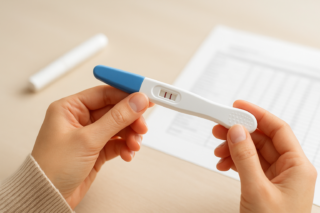
If you’ve recently taken a pregnancy test, you’re probably eager to understand how to read a HCG test. Human Chorionic Gonadotropin (HCG) is a hormone produced during pregnancy, and its presence in blood or urine can confirm a pregnancy. Often people are confused by the numbers or lines they see, and knowing how to interpret these results is key to next steps.
How to Read a HCG Test
Home pregnancy tests typically show lines, symbols, or a digital display to indicate a positive result. For blood tests, the results are numerical, measuring the exact amount of HCG in your blood. Early in pregnancy, HCG levels can range from 5 to over 400 mIU/ml. A positive result on a home test usually appears when HCG levels are around 25 mIU/ml or higher.
Interpreting these values can be complex. Using a blood test, HCG levels should double approximately every 48 to 72 hours in early pregnancy. If you’re seeing fluctuating numbers, or if the levels aren’t increasing as expected, it could indicate a need for further evaluation by a healthcare professional.
How HCG Levels Affect Daily Life
Understanding your HCG levels can offer insights into how your pregnancy is progressing. For example, rapidly increasing levels might be a positive sign of a healthy pregnancy, while slower increases or decreases could indicate potential issues, such as a risk of miscarriage or an ectopic pregnancy. It’s important to remember that each pregnancy is unique, and numerical values can vary widely between individuals.
When to Seek Care
If you notice any concerning symptoms—such as severe abdominal pain, spotting, or a feeling of dizziness—or if your blood pregnancy test results seem unusual, it’s time to consult a healthcare provider. Obstetricians and midwives are the primary clinicians who can interpret these results accurately and offer guidance. Always reach out to your provider if you have any doubts about your results.
Understanding Blood Pregnancy Test Results
A blood test for pregnancy can provide more precise information than an over-the-counter test. There are two types: qualitative, showing if HCG is present or not, and quantitative, measuring the exact level of HCG. While qualitative results give a simple positive or negative, quantitative ones require clinical interpretation.
Some factors, like certain medications, medical conditions, or incorrect test timing, can affect the accuracy of these results. Discussing these factors with your healthcare provider can help avoid misinterpretation.
Questions to Ask Your Doctor
Before undergoing an HCG test, consider discussing these concerns with your doctor. Ask about the implications of various HCG levels, any possible side effects if you are taking medications, and what steps to follow once you receive your results.
Knowing what questions to ask and understanding your test results will empower you to take charge of your reproductive health. If you’re undergoing fertility treatments, you can find more information about related topics here.
Common Questions About HCG Testing
When is it best to take an HCG test?
For urine tests, it’s best to test in the morning when HCG levels are concentrated. For blood tests, follow your doctor’s instructions for timing.
What can cause false positive or negative results?
False results can occur due to certain medications, medical conditions like ovarian cysts, or testing errors. Consulting with a healthcare provider is important for accurate interpretation.
What should I do if my HCG levels aren’t increasing normally?
If your levels do not increase as expected, schedule an appointment with your obstetrician or midwife for further evaluation. They can offer guidance and testing to investigate the cause.
Are there ways to support a healthy pregnancy after a positive HCG test?
Maintaining a balanced diet, staying hydrated, getting regular exercise, and attending prenatal check-ups are ways to support a healthy pregnancy. Always consult your healthcare provider for personalized advice.
How quickly do HCG levels return to normal after pregnancy?
HCG levels typically return to non-pregnancy levels within a few weeks postpartum. Your healthcare provider can offer specific guidance based on individual circumstances.
For more comprehensive information about pregnancy, you can visit this informative page.
Takeaways
- HCG tests measure the pregnancy hormone levels in blood or urine.
- Understanding the test results can provide insights into pregnancy progression.
- If levels are unusual, it’s essential to seek medical advice.
- Discuss any concerns with your healthcare provider for accurate interpretation.
- Consult reliable sources for further information on pregnancy-related topics.
Other Articles You May Find of Interest...
- Can Bifidobacterium Bacteria Help Your Vagina?
- 5 Common Reproductive Health Concerns and When to Seek Care
- Postpartum Health & C-Section Recovery
- What Breast Pain Usually Means, and Rarely Does
- Stretch Mark Treatments: A Pregnancy-First Guide for Expecting Moms
- When Should You Seek a Second Opinion for a Gynaecological Condition?
- The Brain Fog of Menopause Is Real and Does Not Necessarily Mean Early Dementia