






More Public Safety Articles
Essential Health Riding Safety Guide for Electric Dirt Bike Riders
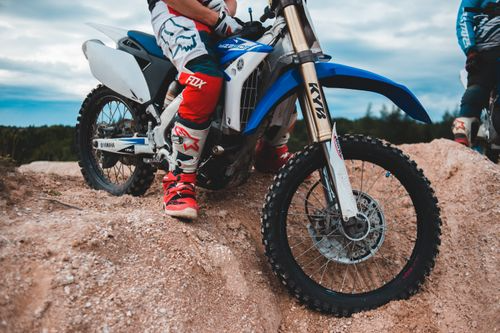
Have you ever asked yourself if you are doing enough to protect your health and safety while riding an electric dirt bike?
Electric dirt bikes offer an exciting way to enjoy outdoor recreation, improve coordination, and stay physically active. However, every ride comes with responsibilities.
From protecting your body against injury to maintaining focus on different terrains, safe riding habits can make a significant difference in your overall well-being. By following proven safety practices, riders can enjoy the benefits of riding while reducing unnecessary risks.
Why Health and Safety Matter for Riders
Electric dirt biking combines physical activity, mental focus, and outdoor enjoyment. At the same time, riders face challenges such as uneven terrain, changing weather conditions, and unexpected obstacles. As a result, understanding health-focused riding habits is just as important as learning riding skills.
Physical Demands of Riding
Riding an electric dirt bike requires balance, coordination, grip strength, and quick reactions. During longer rides, muscles in the arms, shoulders, legs, and core remain active. Therefore, proper preparation helps reduce fatigue and supports better control.
Additionally, tired riders may react more slowly to hazards. Maintaining physical fitness can help improve endurance and confidence during rides.
Mental Focus and Awareness
Safe riding depends heavily on concentration. Riders must continuously monitor terrain conditions, nearby people, and potential obstacles. Furthermore, distractions can increase the likelihood of mistakes.
Staying alert and avoiding unnecessary risks contribute to a safer and more enjoyable experience.
Essential Protective Equipment
Protective gear serves as the first line of defense against injuries. Even experienced riders benefit from wearing proper equipment every time they ride.
1. Helmet Protection
A properly fitted helmet helps protect the head during falls or collisions. It should fit securely without causing discomfort and should meet recognized safety standards.
2. Eye Protection
Dust, debris, insects, and branches can affect visibility. Protective goggles or safety eyewear help maintain clear vision and support safer riding.
3. Protective Clothing
Long sleeves, durable pants, gloves, and sturdy riding boots provide additional protection against scrapes, cuts, and impacts. Moreover, gloves improve grip and reduce hand fatigue during extended rides.
4. Body Protection
Chest protectors, knee guards, and elbow pads can help minimize injuries when riding on challenging terrain. These protective items offer valuable support for both beginners and experienced riders.
Pre-Ride Health Preparation
Before starting any ride, taking a few minutes to prepare your body can improve comfort and performance.
Hydration and Nutrition
Proper hydration supports concentration, reaction time, and overall physical performance. Drinking water before and during rides helps prevent dehydration.
In addition, balanced meals containing protein, healthy fats, and complex carbohydrates provide sustained energy for outdoor activities.
Stretching and Warm-Up
Simple warm-up exercises can prepare muscles and joints for physical activity. Stretching the legs, shoulders, back, and wrists may reduce stiffness and improve mobility during rides.
Health Check Before Riding
Riders should avoid operating an electric dirt bike when feeling excessively tired, ill, or under the influence of substances that impair judgment. Good physical and mental condition supports safer decision-making on the trail.
Safe Riding Habits
Good riding habits play a significant role in injury prevention and overall health.
Maintain Appropriate Speed
Speed should always match terrain conditions and rider experience. Although fast riding may seem exciting, excessive speed can reduce reaction time and increase accident risk.
Keep a Safe Distance
Maintaining adequate space between riders allows more time to respond to sudden stops or unexpected obstacles. This practice becomes especially important during group rides.
Scan the Terrain Ahead
Looking ahead instead of focusing only on the area directly in front of the bike helps riders identify hazards early. Rocks, loose soil, tree roots, and sharp turns can often be anticipated with proper observation.
Ride Within Personal Limits
Confidence develops over time. Riders should gradually build skills rather than attempting advanced terrain before gaining sufficient experience. Controlled progression supports safety and long-term enjoyment.
Understanding Terrain Risks
Different riding environments present unique challenges. Recognizing these risks helps riders make informed decisions.
So, riders exploring advanced electric off-road options often review models from companies like Surron to learn about performance characteristics and riding suitability. Understanding a bike’s capabilities before riding helps prevent unnecessary risks.
Trails and Woodland Areas
Natural trails may contain roots, loose rocks, mud, and narrow pathways. Riders should reduce speed when visibility becomes limited and remain alert to changing surface conditions.
Hills and Slopes
Steep inclines require additional control and balance. Maintaining a stable body position and avoiding sudden acceleration can improve stability on hills.
Wet and Slippery Conditions
Rain, mud, and wet surfaces reduce traction. Riders should adjust their riding style and allow more stopping distance when conditions become slippery.
Choosing the Right Bike for Safe Riding
Selecting a suitable bike can influence comfort, control, and safety. Riders should choose equipment that matches their experience level, riding environment, and physical capabilities.
When researching options, many riders compare different models of an Electric dirt bike to better understand weight, handling, battery range, and safety features. Making an informed choice contributes to a more controlled riding experience.
Injury Prevention Strategies
Preventive measures can significantly reduce the likelihood of common riding injuries.
Follow the 3-Point Safety Rule
A simple safety approach includes:
- Wear proper protective gear.
- Inspect the bike before every ride.
- Ride according to terrain and skill level.
Regular Bike Inspections
Before riding, check:
- Tire condition and pressure
- Brake function
- Battery charge level
- Throttle response
- Chain and suspension components
Learn Emergency Braking
Practicing controlled braking techniques in a safe area can improve rider confidence and reaction during unexpected situations.
Recovery and Post-Ride Health
Health and safety continue after the ride ends.
Rehydrate and Refuel
After physical activity, replacing fluids and consuming nutritious foods supports recovery and energy restoration.
Check for Minor Injuries
Small cuts, bruises, or muscle soreness should be addressed promptly. Early care can help prevent complications and support faster recovery.
Rest and Recovery
Adequate sleep and recovery time allow muscles and joints to recover from physical exertion. Consistent recovery habits contribute to long-term riding performance.
Final Thoughts
Electric dirt bike riding offers a rewarding combination of outdoor activity, physical engagement, and personal enjoyment. However, safety should remain a priority on every ride. By wearing protective equipment, preparing physically, understanding terrain risks, maintaining your bike, and practicing responsible riding habits, you can reduce injury risks and support your overall health.
Other Articles You May Find of Interest...
- Common Swimming Pool Injuries and How Lifeguards Help Prevent Them
- Carbon Monoxide Poisoning: Symptoms Every Family Should Know
- Could Zombies Ever Exist in Reality? Exploring the Science Behind the Myth
- Do Zombies Really Exist? Exploring the Myths and Facts Behind Zombie Lore
- Zombies in Real Life: Exploring the Fascinating Intersection of Science and Fiction
- How Proper Safety Gear Reduces the Risk of Aquatic Accidents
- Why First Aid Training Matters for Families, Workplaces, and Communities





