More Vascular Health Articles
Discover the Benefits and Risks of the Strongest Blood Thinner
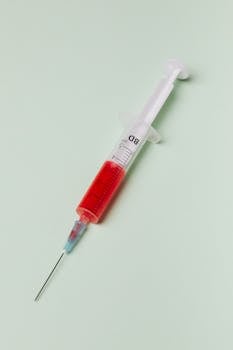
If you or a loved one has been prescribed a blood thinner, it naturally raises questions about its purpose and impact on health. When people talk about the strongest blood thinner, they are often referring to anticoagulant medications administered to prevent blood clots in conditions like atrial fibrillation or deep vein thrombosis. Though these drugs play a vital role in managing cardiovascular health, it’s essential to understand both the potential benefits and risks.
Understanding the Strongest Blood Thinner
Blood thinners are crucial for individuals at risk of developing clot-related medical events. Anticoagulants and antiplatelets are two main categories, each operating differently to reduce clot formation. The strongest blood thinner varies based on individual health needs and the specific condition being treated. It’s crucial to discuss with your healthcare provider which blood thinner is most suitable for you.
Benefits and How They Work
Anticoagulants, often considered among the strongest blood thinners, help manage or prevent conditions like strokes by reducing the blood’s clotting ability. For many, these drugs provide a life-saving benefit by allowing blood to flow smoothly through veins and arteries. They are commonly used after surgeries or when diagnosed with certain heart conditions.
Potential Risks and Side Effects
While anticoagulants are lifesavers for many, they also come with risks. Potential side effects include bleeding complications, ranging from minor bruising to severe internal bleeding. It’s essential to be aware of any signs of unusual bleeding and report them to your healthcare provider immediately. Close monitoring by your healthcare team can help balance safety and efficacy.
Switching Blood Thinners: What You Should Know
Changing from one blood thinner to another might be necessary due to side effects, new health conditions, or lifestyle changes. Generally, this transition should be closely managed by a healthcare professional to prevent adverse effects. Discussing potential signs of an incorrect dosage, such as easy bruising or persistent fatigue, is vital before making any switch.
Questions to ask your doctor may include:
- How will we monitor my progress with the new medication?
- What symptoms should prompt an immediate call?
- Are there any dietary or activity restrictions with this new medicine?
How It Affects Daily Life
For many patients, taking anticoagulants means regular medical appointments and blood monitoring. Activities such as vigorous sports might require more caution to minimize injury risks. Those on blood thinners must also be mindful of dietary interactions, like those with vitamin K, which can affect how some anticoagulants work.
Moreover, because blood thinners make bleeding more likely, tasks involving sharp objects should be approached carefully. Conversations with a healthcare provider can help manage these lifestyle adjustments while maintaining an active, healthy life.
When to Seek Care
It’s crucial to seek medical attention if you experience symptoms such as unexplained excessive bleeding, severe headache, weakness, or unusual bruising while taking a blood thinner. Cardiologists, hematologists, or primary care doctors often manage these conditions, providing tailored advice based on your health status.
Your doctor may suggest additional tests to check the clotting factors or modify your dose depending on your condition. Regular follow-ups ensure your treatment remains on track.
Takeaways
- Blood thinners prevent life-threatening clot formation.
- The strongest blood thinner may vary per individual treatment needs.
- Managing side effects and risks involves regular monitoring by your healthcare provider.
- Ask your doctor questions when transitioning between medications.
- Report unusual bleeding or bruising to a healthcare provider promptly.
Common Questions
What should I do if I miss a dose?
If you miss a dose, follow your doctor’s advice, which often involves taking the dose as soon as you remember unless it’s close to the time of your next dose. Never double dose to make up for missed doses.
Can I take other medications or supplements while on blood thinners?
Many medications and supplements can interact with blood thinners. Always discuss current prescriptions and over-the-counter medications with your healthcare provider to avoid negative interactions.
Should I limit any foods or activities while on blood thinners?
Consult your doctor about dietary restrictions, especially concerning vitamin K-rich foods, which might interfere with some blood thinners. Additionally, certain activities that risk injury should be discussed with your doctor.
Are herbal supplements safe to take with blood thinners?
Some herbal remedies may impact blood thinning, either increasing or decreasing effectiveness, or worsening side effects. Always consult a healthcare professional before adding them to your routine.
What types of healthcare providers manage treatments involving blood thinners?
Cardiologists, hematologists, and primary care physicians commonly manage treatments with blood thinners, offering expertise tailored to your individual health needs and treatment plan.
For further understanding of the effects and management of blood disorders, visit the guide on recognizing symptoms of hemochromatosis or explore reputable resources like the MedlinePlus for more information.
Other Articles You May Find of Interest...
- Blood Clots in Pictures: What to Look For
- Venous Reflux: What It Is, Why It Happens, and What to Do About It
- Exploring the Anatomy and Functions of the Frontal Section of the Head
- Exploring the Fascinating Functions of Human Body Organs
- Can a 5 Day Juice Fast Lead to Effective Weight Loss?
- The Benefits of Using a Reusable Insulin Pen Injector for Diabetes Management
- Navigating the Challenges of Unknown Allergies: What You Need to Know