






More Heart Disease, Stroke and Diabetes Articles
Is Your Blood Pressure Different in Each Arm? Here’s What It Means for Your Health
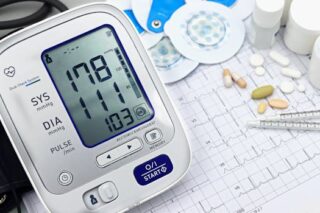
Have you ever noticed that your blood pressure readings differ when taken in each arm? This is more common than you might think and can sometimes be a signal to pay attention to your cardiovascular health. While a slight variation is usually normal, significant differences might point to underlying health concerns.
Why Does Blood Pressure Vary Between Arms?
A small variation in blood pressure readings between arms is normal and can be due to several benign factors, such as slight differences in muscle mass or temporary changes in circulation. However, a consistent discrepancy could indicate conditions like peripheral artery disease or other vascular issues. For most people, these variations might go unnoticed during daily activities, but it’s important to be aware of them.
When Blood Pressure Different in Each Arm Is a Concern
A significant difference in blood pressure between arms, generally a variance of more than 10 to 15 mm Hg, might be associated with an increased risk of developing cardiovascular problems. This can include increased chances of artery issues or heightened risk for heart disease. If your doctor notices a disparity during your regular check-up, they may conduct further evaluations to ensure your circulatory health is on track.
Conditions Linked to Blood Pressure Variances
The most common condition associated with differing blood pressure between arms is peripheral artery disease, a condition where narrowed arteries reduce blood flow to your limbs. It can also suggest the presence of other cardiovascular diseases or issues like aortic dissection, a serious condition where the inner layer of the aorta tears. Though less common, this condition is critical and requires immediate medical attention.
When to Seek Care
If you consistently notice a considerable difference in readings of blood pressure between your arms, it is advisable to consult your physician. Primary care doctors, cardiologists, or vascular specialists can perform more detailed assessments to rule out any severe conditions and offer treatment plans if needed. You should also seek care if you experience symptoms like persistent dizziness, chest pain, or unusual fatigue alongside these discrepancies.
Everyday Impact of Blood Pressure Discrepancies
Most of the time, people with slight variances in blood pressure readings will not experience any direct impact on their daily lives. However, being aware of your blood pressure status allows you to make informed choices about your health, potentially preventing more severe conditions. It’s part of understanding your body’s signals and ensuring you stay ahead of any potential health issues.
Practical Concerns About Medications
If you are managing your blood pressure with medications, it’s important to have a consistent regimen. You’ll want to monitor blood pressure readings at home, ideally at the same time each day and in the same arm for consistency. Discuss with your doctor any variations you notice and any side effects from your medications. Some side effects could include dizziness or lightheadedness, which may suggest an adjustment in dosage is needed.
Your healthcare provider can discuss any changes to your treatment plan. Discontinuing or adjusting medication without professional guidance can be harmful, so always seek medical advice before making any changes.
For more information, you can visit the Mayo Clinic.
Common Questions
What should I do if I notice a difference in blood pressure between my arms?
If you observe a significant difference consistently, it is advisable to reach out to a healthcare professional. They can conduct further tests and provide appropriate guidance.
Which healthcare providers can evaluate blood pressure discrepancies?
Primary care physicians, cardiologists, or vascular specialists are typically involved in evaluating significant blood pressure variances and managing any underlying conditions.
Can lifestyle changes help manage blood pressure differences?
Yes, lifestyle changes like a healthy diet, regular exercise, and stress management can support overall cardiovascular health, although they should complement professional advice, especially when concerning significant discrepancies.
Are different readings an immediate danger?
Not necessarily. Small variations are normal, but large differences should be checked by a healthcare provider to rule out underlying conditions, ensuring they are not an immediate threat.
Could my equipment cause inaccurate readings?
Yes, sometimes equipment calibration issues or improper measurement techniques might cause inaccurate readings. Ensure the cuff size and positioning are correct and that the equipment is periodically calibrated for accurate assessments.
- Blood pressure discrepancies between arms are usually normal but can indicate health issues if significant.
- A variance of more than 10-15 mm Hg may warrant medical evaluation.
- Conditions like peripheral artery disease or cardiovascular issues may cause these differences.
- Consult with your healthcare provider if you observe a consistent, significant difference between arms.
- Home monitoring can be useful but ensure equipment accuracy and consistency in measurement methods.
Understanding your blood pressure trends, even when they are different in each arm, empowers you and your healthcare team to manage your health proactively. If you’re looking for more insights into health and diseases, read about the symptoms of hemochromatosis on Your Health Magazine.
Other Articles You May Find of Interest...
- A Blood Pressure of 178/109 Needs Prompt Attention
- Can High Blood Pressure Make Your Face Red?
- Is a Nuclear Stress Test Safe?
- Echocardiography in Dubai: What an Echo Shows, the Different Types and How to Prepare
- Sternum Lump After Open-Heart Surgery: Normal Healing or a Problem?
- Which Specialist Treats High Cholesterol?
- How to Keep Your Heart Healthy: Everyday Habits That Lower Your Risk





