More Women's Health & Beauty Articles
Why Am I Experiencing Night Sweats During My Period?
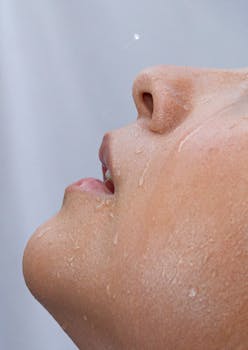
You’ve finally drifted off to sleep when suddenly you wake up drenched in sweat. Night sweats during your period can be an unexpected and uncomfortable interruption, leaving you bewildered and wondering why this is happening. While it’s common to associate night sweats with menopause, they can affect menstruating women too, often due to hormonal fluctuations.
Understanding Night Sweats During Your Period
While many women experience various symptoms during their menstrual cycle, night sweats can be particularly bothersome. Hormonal changes, mainly the drop in estrogen and progesterone, can affect your body’s ability to regulate temperature, leading to excessive sweating during the night.
Besides hormonal shifts, stress and anxiety, which often accompany the menstrual cycle, can exacerbate night sweats. Lifestyle factors, such as diet and exercise, play a role too. It’s advisable to maintain a balanced lifestyle and reduce stresses where possible, which might lessen the severity of these symptoms.
When to Seek Care
If night sweats are debilitating and disrupt your sleep regularly, it’s essential to consult a healthcare provider. A gynecologist or primary care physician can help determine whether the sweats are linked to your menstrual cycle or if another underlying condition might be at play. Persistent night sweats, unexplained weight loss, or fever could signal a more severe health issue that requires professional evaluation.
How This Affects Daily Life
Lack of restful sleep due to night sweats can lead to fatigue, irritability, and difficulty concentrating the next day. As sleep is essential for cognitive function and overall well-being, finding solutions to mitigate night sweats is critical for maintaining your quality of life. Addressing sleep environment factors, such as using breathable bedding and maintaining a cool room temperature, may provide relief.
Could Medications Be to Blame?
Medications, including hormone therapies or antidepressants, can sometimes contribute to night sweats. If you’re on a medication regimen and notice night sweats, discuss this with your doctor. They might adjust your dosage or recommend an alternative that aligns better with your body’s needs. Remember, never stop or alter a medication without consulting a healthcare provider.
Potential Lifestyle Adjustments That Help
Simple lifestyle changes can make a significant difference in managing night sweats. Regular exercise, a consistent sleep schedule, and a diet rich in whole foods can support hormonal balance. Avoid spicy foods, caffeine, and alcohol, especially near bedtime, as they can trigger sweating. Dressing in layers and choosing lighter pajamas can also help.
Common Questions
Are night sweats during my period normal?
Yes, they can be, especially if tied to hormonal changes. However, if they persist or worsen, a healthcare provider should evaluate them.
Which healthcare provider should I see?
Consulting a gynecologist is a good start. They specialize in female reproductive health and can help determine if your symptoms relate to your menstrual cycle or a different health concern.
Can adjusting my diet help reduce night sweats?
Yes, maintaining a balanced diet low in processed foods and rich in fruits, vegetables, and whole grains can support hormone regulation and potentially reduce symptoms.
Are there any long-term effects of night sweats?
While they are often harmless, persistently disrupted sleep can lead to long-term health issues like chronic fatigue. It’s important to address the root cause to prevent further complications.
What other symptoms should I watch for?
If night sweats are accompanied by fever, significant weight loss, or other troubling symptoms, seek medical advice to rule out other conditions.
- Night sweats during your period can result from hormonal fluctuations.
- Stress, lifestyle, and certain medications may contribute to the condition.
- If sleep is consistently disrupted, consult a healthcare provider.
- Simple lifestyle changes can often provide relief and improve sleep quality.
- Consult with a doctor for symptoms that persist or worsen.
Managing night sweats during your period involves understanding their triggers and making necessary adjustments in your life. If the symptoms continue to affect your quality of life, seek guidance from a healthcare professional. You can also learn more about how medications like Metformin might impact hormonal conditions by exploring articles on Metformin use in PCOS and its effects. For general health guidance, reliable information is available on widely trusted sources like Mayo Clinic.
Other Articles You May Find of Interest...
- Can Bifidobacterium Bacteria Help Your Vagina?
- 5 Common Reproductive Health Concerns and When to Seek Care
- Postpartum Health & C-Section Recovery
- What Breast Pain Usually Means, and Rarely Does
- Stretch Mark Treatments: A Pregnancy-First Guide for Expecting Moms
- When Should You Seek a Second Opinion for a Gynaecological Condition?
- The Brain Fog of Menopause Is Real and Does Not Necessarily Mean Early Dementia