More Weight Control, Nutrition & Exercise Articles
Is It Safe to Eat Pork Medium Rare? Discover the Facts
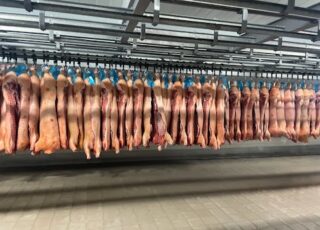
Curious about whether you can enjoy pork cooked to a medium-rare doneness? Many wonder if it’s safe to prepare pork in the same way as a juicy steak. This article will delve into the topic to provide clarity on enjoying pork while ensuring safety and delicious results.
Can You Have Pork Medium Rare?
Traditionally, pork preparation guidelines have stressed thorough cooking to eliminate risks associated with harmful bacteria and parasites. However, improvements in pig farming and processing have changed some of these recommendations. The key question often raised is, can you have pork medium rare? The general guideline now suggests that pork can be safely cooked to a slightly lower temperature than before, making a medium-rare cooking level an exciting possibility for culinary enthusiasts.
Understanding Pork Doneness
Pork doneness is determined by the internal temperature of the meat. According to current guidelines, it is considered safe to cook pork to an internal temperature of 145°F (62.8°C), followed by a three-minute rest period. This translates to a slightly pink center, which many describe as medium. While this doesn’t exactly align with the typical medium-rare temperature for beef, it does allow for a pork experience similar in texture and juiciness.
Why Cooking Temperatures Matter
The main reason for cooking pork thoroughly is to avoid foodborne illnesses caused by bacteria such as Salmonella and E. coli, as well as parasites like Trichinella. Modern regulations have significantly reduced these risks, but precautions are still advised to ensure safety. Ensuring the pork reaches the recommended temperature minimizes the chance of contamination.
For related information on protein consumption and its benefits, you might find our article on the importance of a high-protein diet for weight loss helpful. It offers insights into why protein is an essential part of a balanced diet, which includes meats like pork.
Cooking Methods for Safe and Delicious Pork
Cooking pork to the proper doneness is about balancing safety with taste. Here are some methods that can help achieve this balance:
- Grilling: A popular method that can lock in flavors while ensuring even cooking.
- Roasting: Slow and steady, roasting can bring out the rich taste of pork.
- Searing and Baking: Searing on the stovetop and finishing in the oven can achieve a tender inside and a crisp exterior.
Nutritional Benefits of Pork
Pork is a rich source of high-quality protein and essential nutrients, such as iron and vitamin B12. It provides energy and support for muscle health, making it a valuable addition to a balanced diet. Learning safe cooking practices ensures you can enjoy these benefits without health risks.
What Experts Say About Medium-Rare Pork
Experts in the field of food safety emphasize that while the risks of cooking pork to a medium level are reduced compared to past decades, it is crucial to monitor cooking temperatures carefully. Using a meat thermometer can be a simple yet effective tool to achieve the perfect balance between safety and flavor.
For more in-depth reading on health topics, the Health article on Wikipedia provides a comprehensive view of various aspects of human health and well-being.
Conclusion
In conclusion, while traditional methods advocated cooking pork to well done, modern recommendations allow for a slightly pink center, thanks to improved food safety standards. Can you have pork medium rare? Like many aspects of cooking, it ultimately comes down to personal preference, as well as adhering to current safety guidelines.
- Pork can be safely cooked to a medium doneness at 145°F.
- Modern agriculture and hygienic practices have reduced many past risks.
- Cooking methods like grilling and roasting help achieve a perfect balance.
- Always use a meat thermometer to ensure proper doneness.
- Pork is valuable for its nutritional content, offering benefits as part of a balanced diet.
FAQ
What internal temperature is recommended for perfectly cooked pork?
The USDA recommends cooking pork to an internal temperature of 145°F (62.8°C), with a resting time of three minutes before serving.
Is it safe to eat slightly pink pork?
Yes, if cooked to at least 145°F, pork can have a slightly pink hue while still being safe to eat.
Do I need to rest pork after cooking?
Yes, resting pork for a few minutes allows the meat to redistribute juices, ensuring a flavorful, tender result.
Are there any pork cuts that should always be cooked well-done?
Generally, whole muscle cuts like pork loin can be cooked to medium, but ground pork should always be cooked thoroughly to prevent bacterial exposure.
What can I pair with pork for a balanced meal?
Pork pairs well with a variety of grains and vegetables, providing a balanced mix of proteins, carbohydrates, and fibers in a meal.
Other Articles You May Find of Interest...
- How Obesity Can Affect Height, Posture, and Growth
- The Drumstick Vegetable Plant: Nutrition and Uses of Moringa
- How Telehealth Is Making Medical Weight Management More Accessible
- Liposuction vs Weight Loss: Understanding the Difference
- Does Dry Brushing Do Anything for Weight Loss?
- Physical and Mental Wellness Benefits of Scuba Diving
- How Many Electrolytes You Need in a Day