






More Physical Therapy Articles
What You Need to Know About Managing Chondrosis for Better Joint Health
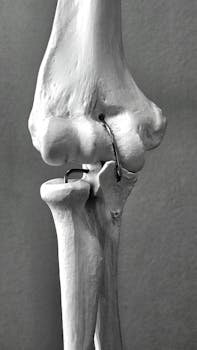
Chondrosis is an early stage of joint degeneration that occurs when the cartilage in the joints starts to break down. This condition can lead to pain, stiffness, and reduced mobility, commonly affecting the knee and hip joints, although it can occur in any joint. Understanding chondrosis is essential for managing its symptoms and maintaining joint health. Early interventions can help mitigate the effects and promote a better quality of life.
Understanding Chondrosis
Chondrosis involves the degradation of the cartilage, which serves as a cushion between the bones in the joints. As the cartilage wears away, bones may begin to rub against each other, causing pain and inflammation. While aging is a common cause of chondrosis, other factors such as injury, repetitive stress on the joints, genetic predisposition, and obesity can accelerate the cartilage breakdown.
It’s crucial to pay attention to the signs of chondrosis early on. Symptoms often include joint pain, swelling, a grinding sensation when moving the joint, and reduced range of motion. If you experience these symptoms, consulting with a healthcare professional for an accurate diagnosis is important.
Diagnosing and Treating Chondrosis
Diagnosis of chondrosis typically involves a physical examination and imaging tests such as X-rays or MRI scans. These methods help assess the extent of cartilage damage and rule out other conditions like arthritis.
Treatment varies based on the severity of chondrosis. Options may include:
- Physical Therapy: Exercises tailored to strengthen the muscles around the joint can help improve mobility and reduce pain.
- Medication: Anti-inflammatory drugs and pain relievers may be prescribed to manage symptoms.
- Injections: Cortisone injections or hyaluronic acid may be recommended to reduce inflammation and pain.
- Lifestyle Changes: Maintaining a healthy weight and avoiding activities that overload the joints can prevent further damage. Consider learning more about how lifestyle choices impact health from this informative article.
- Diet and Supplements: While there is no cure, some supplements, such as glucosamine and chondroitin, are studied for their potential benefits in supporting joint health.
Preventing Chondrosis
Prevention is always better than treatment when it comes to joint health. Here are steps you can take to reduce your risk of developing chondrosis:
- Engage in regular, low-impact exercises like swimming or cycling to maintain joint flexibility without putting too much strain on them.
- Keep a healthy weight to reduce the stress on weight-bearing joints.
- Incorporate a balanced diet rich in vitamins D and C, calcium, and omega-3 fatty acids to support overall joint health.
- Ensure proper ergonomic practices whether you’re working at a desk or performing physical tasks to avoid unnecessarily stressing your joints.
For additional information on health and lifestyle strategies, a great resource is the Wikipedia health page.
Living with Chondrosis
Managing chondrosis requires a comprehensive approach that encompasses both medical treatments and healthy lifestyle choices. Learning to listen to your body and making informed decisions can significantly improve your quality of life despite the challenges of joint degeneration.
Regular check-ins with healthcare providers are crucial. They can help monitor the progression of chondrosis and adjust treatments as needed. Support groups and educational resources may also offer valuable tips and emotional support.
Conclusion
While chondrosis is a challenging condition, understanding its impact and taking proactive steps can help manage symptoms and maintain joint function. Early intervention, lifestyle modifications, and ongoing medical support play vital roles in addressing chondrosis effectively.
- Chondrosis involves the deterioration of cartilage in the joints.
- Symptoms include joint pain, stiffness, and reduced mobility.
- Treatment options include physical therapy, medications, and lifestyle adjustments.
- Prevention focuses on maintaining a healthy weight, regular exercise, and a balanced diet.
- Collaborating with healthcare providers is key to managing the condition.
What is chondrosis, and how does it differ from arthritis?
Chondrosis refers to the degeneration of cartilage in the joints, typically an early stage of joint damage. Arthritis involves inflammation of the joints, which may follow prolonged chondrosis if left unaddressed.
Can chondrosis be reversed?
While the cartilage damage caused by chondrosis cannot be reversed, early diagnosis and appropriate management strategies can slow progression and reduce symptoms.
Is weight loss beneficial for managing chondrosis?
Yes, losing excess weight can relieve stress on joints, reduce pain, and slow down cartilage wear, thus benefiting those with chondrosis.
Are there specific exercises recommended for chondrosis?
Low-impact activities like swimming, cycling, and walking are recommended as they enhance joint mobility without excessive strain. Consider consulting a physiotherapist to tailor an exercise routine to your needs.
When should I see a doctor for suspected chondrosis?
Seek medical advice if you experience persistent joint pain, swelling, or stiffness that affects daily activities, as early diagnosis can significantly improve management outcomes.
Other Articles You May Find of Interest...
- Shockwave Therapy
- Sports Rehabilitation: Recovering From Athletic Injuries and Getting Back in the Game
- Pelvic Floor Physiotherapy: Signs You May Benefit From Treatment
- The Muscles and Nerves Behind Scapular Winging
- Wrist Flexion Stretches for Desk-Stiff Hands
- Do You Need a Referral for Physical Therapy in New York?
- That Pop When Scar Tissue Breaks: Good Sign or Bad?




