






More Physical Therapy Articles
Exploring the Importance of the Greater Tuberosity in Shoulder Health
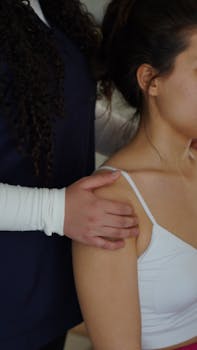
Shoulder pain is a common issue, affecting the daily lives of many individuals, whether you’re an athlete or someone who enjoys a casual jog. At the heart of shoulder health lies a critical structure known as the greater tuberosity. This bony prominence on the humerus plays a pivotal role in shoulder function and strength. Understanding its significance can help prevent injury and maintain optimal shoulder health.
Understanding the Greater Tuberosity
Located at the top of the humerus, the greater tuberosity is the attachment point for several crucial shoulder muscles, including the supraspinatus, infraspinatus, and teres minor. These muscles are part of the rotator cuff, which stabilizes the shoulder joint, allowing for a wide range of motion and strength in the arm. Damage or inflammation in this area can lead to significant pain and reduced mobility, impacting activities from lifting objects to playing sports.
The Role of Rotator Cuff Muscles and Shoulder Stability
The rotator cuff muscles, anchored firmly to the greater tuberosity, are essential for shoulder stability. They help keep the shoulder joint in place during various arm movements. Any injury to these muscles, such as a rotator cuff tear, can compromise shoulder function. Individuals may experience weakness, difficulty lifting the arm, or persistent pain, especially when undertaking overhead activities.
Injuries Affecting the Greater Tuberosity
Fractures to the greater tuberosity are relatively common, particularly in older adults and those involved in contact sports. These injuries often result from direct trauma or falls. Symptoms typically include sharp pain, swelling, and limited shoulder movement. Immediate evaluation by a healthcare provider is crucial, as untreated fractures can lead to chronic pain and decreased shoulder function.
When to Seek Care
Shoulder pain or dysfunction should not be ignored. If you experience sudden pain following a fall, swelling, a noticeable decrease in arm function, or persistent shoulder discomfort not relieved by rest or over-the-counter pain medication, it is time to seek medical evaluation. Orthopedic specialists and physical therapists are well-equipped to diagnose and manage shoulder conditions, ensuring you receive the appropriate treatment and rehabilitation plan.
Rehabilitating Shoulder Injuries
Recovery from shoulder injuries involves a multi-faceted approach, including rest, physical therapy, and potentially surgical interventions. Physical therapy exercises aim to restore range of motion and strengthen the rotator cuff muscles. For further tips on maintaining an active and healthy lifestyle, check out these fitness tips for teens.
Impact on Daily Life and Activities
A compromised greater tuberosity can significantly affect daily life. Activities requiring lifting, reaching, or carrying may become challenging. Athletes might struggle with performance, while others might find routine tasks like dressing or cooking painful. Maintaining shoulder health through proper exercise and ergonomics can mitigate these impacts and support recovery.
Preventive Measures for Shoulder Health
Prevention is key to maintaining shoulder health and avoiding greater tuberosity injuries. Engage in regular strength training focusing on shoulder muscles, and practice good posture to reduce unnecessary strain. Stretching before physical activities and using correct techniques during workouts can also help prevent injuries. Always listen to your body and avoid overexertion.
Common Questions
What are common symptoms of greater tuberosity problems?
Common symptoms include pain in the shoulder, especially when moving the arm, swelling, and weakness. If you suspect an injury, consider visiting a healthcare professional for a proper assessment.
Who should I see for shoulder pain?
An orthopedic surgeon or a physical therapist is usually recommended for shoulder-related issues. They can provide an accurate diagnosis and tailor a treatment plan to your specific needs.
Are there non-surgical treatments for greater tuberosity fractures?
Yes, many cases can be treated non-surgically with physical therapy and immobilization. However, severe fractures may require surgical intervention to ensure proper healing.
How can I support shoulder recovery at home?
Engaging in prescribed physical therapy exercises, maintaining a balanced diet, and avoiding activities that strain the shoulder are vital steps in supporting recovery.
What lifestyle changes can benefit shoulder health?
Incorporating regular exercise, practicing good posture, and ensuring proper ergonomics at work and home can significantly contribute to shoulder health and prevent future injuries.
Additional Resources
If you’re interested in learning more about shoulder health and recovery strategies, visit the comprehensive resources available at the Mayo Clinic.
Takeaways
- The greater tuberosity is essential for shoulder muscle attachment and function.
- Rotator cuff injuries affecting this area can significantly impact daily activities.
- Preventive exercises and good posture are key to maintaining shoulder health.
- Seek professional advice for persistent pain or following a shoulder injury.
- Orthopedic specialists and physical therapists can provide effective treatment plans.
In conclusion, understanding the role of the greater tuberosity in shoulder health is crucial for maintaining function and preventing injury. Taking proactive steps towards strengthening your shoulder muscles and seeking timely medical care can lead to a healthier, more active lifestyle.
Other Articles You May Find of Interest...
- How Physiotherapy Can Help With Sciatica and Leg Pain
- The Role of Physical Therapy in Preventing Chronic Pain
- Movement Is a Lifelong Responsibility
- The Drawbacks and Risks of Trigger Point Therapy
- Making Physiotherapy Part of a More Comfortable Everyday Life
- Pars Fracture FAQs: Symptoms, Imaging, and Treatment Options
- A Better Truth About Bunions





