






More Physical Therapy Articles
Navigating Life with Thoracolumbar Scoliosis: Tips for Better Health and Wellness
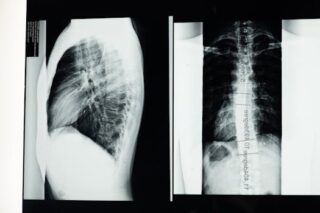
Living with thoracolumbar scoliosis can pose various challenges, whether you’re struggling with pain during daily activities or feeling uncertain about how to manage your condition. This spinal curvature affects the thoracic and lumbar regions, which can create discomfort or limitations in your movement. Understanding how to support your health with this condition is crucial for maintaining well-being and quality of life.
Identifying and Navigating Thoracolumbar Scoliosis
Thoracolumbar scoliosis is a type of spinal curvature that affects the mid-to-lower sections of the spine. It can result in a visible curve, but many people first notice it due to pain or stiffness. The degree of curvature can vary, influencing the symptoms and the measures required to manage the condition. While some people have mild symptoms, others may experience more significant impacts on their day-to-day activities.
Living with thoracolumbar scoliosis means paying attention to your body’s signals and employing strategies that help to mitigate symptoms. Incorporating regular exercise, maintaining optimal weight, and practicing good posture are often recommended. You can explore lifestyle choices that support overall health and potentially alleviate the strain caused by scoliosis.
Functional Impacts: Day-to-Day Living with Thoracolumbar Scoliosis
It’s not uncommon for those with thoracolumbar scoliosis to adapt their daily routines to prevent exacerbating their condition. Simple tasks, such as sitting for long hours or sleeping, might require adjustments. Ergonomic chairs, supportive mattresses, and other aids can offer relief and prevent further discomfort.
Engaging in activities that enhance flexibility and core strength, like yoga or pilates, often helps in maintaining spinal health. For individuals with demanding physical jobs, discussing suitable work accommodations with employers can prevent deterioration of the condition.
When to Seek Care
While many manage thoracolumbar scoliosis with lifestyle changes, it’s vital to recognize when professional help is necessary. Consulting a healthcare provider is recommended if you experience persistent pain, numbness, or difficulty in movement. Specialists such as orthopedic surgeons, physiatrists, or chiropractors can provide tailored treatments based on individual needs. Should conservative measures not suffice in alleviating symptoms, these professionals may suggest further interventions like physical therapy or, in rare cases, surgery.
Medications and Treatment Options for Scoliosis
For some, medications play a role in managing scoliosis pain. Non-prescription pain relievers like acetaminophen or NSAIDs may be suggested for minor discomfort. In cases of more severe pain, a healthcare provider might consider other medications or treatment approaches. It’s crucial to discuss potential side effects and interactions with your doctor. These professionals can guide how to titrate medication dosages and evaluate their effectiveness over time, ensuring your regimen supports your overall health.
External resources from MedlinePlus can provide additional insights into managing scoliosis-related symptoms and general health tips.
Common Questions
How does thoracolumbar scoliosis develop?
The development of scoliosis often occurs during adolescence, but it can appear at any age. Factors might include genetic predispositions or specific neuromuscular conditions. Routine screenings during growth spurts in children can help early identification.
What specialists treat scoliosis?
Orthopedic doctors specialize in diagnosing and treating scoliosis. Other professionals, such as physical therapists, can play a role in managing pain and improving mobility through tailored exercise regimes.
Can lifestyle changes significantly affect scoliosis?
While lifestyle changes can’t cure scoliosis, they can play a substantial role in managing pain and enhancing quality of life. Regular exercise, maintaining a healthy weight, and employing ergonomic adjustments contribute positively.
Are surgical interventions always required?
Not every case of thoracolumbar scoliosis necessitates surgery. Many individuals manage symptoms effectively through non-surgical means. Surgery is typically considered when there is significant curvature or severe pain that impairs daily activities.
What should I ask my doctor about managing my scoliosis?
When visiting your doctor, consider asking about symptom management strategies, potential exercises or therapies, and whether any medical interventions might be appropriate for your condition. It’s also important to discuss how modifying daily activities might support your health goals.
Takeaways
- Living with thoracolumbar scoliosis requires attention to body mechanics and tailored health strategies.
- Regular exercise and ergonomic adjustments can help manage symptoms.
- Consult healthcare providers if experiencing persistent pain or movement difficulties.
- Medication and therapy options vary based on individual needs and severity of symptoms.
- Resources are available to support learning and management of scoliosis-related challenges.
Thoracolumbar scoliosis may pose a challenge, but understanding and implementing the right lifestyle changes and treatment options can lead to improved health outcomes. Living with a spinal condition often requires a proactive approach, working closely with healthcare providers trained to navigate these unique challenges.
Other Articles You May Find of Interest...
- How Physiotherapy Can Help With Sciatica and Leg Pain
- The Role of Physical Therapy in Preventing Chronic Pain
- Movement Is a Lifelong Responsibility
- The Drawbacks and Risks of Trigger Point Therapy
- Making Physiotherapy Part of a More Comfortable Everyday Life
- Pars Fracture FAQs: Symptoms, Imaging, and Treatment Options
- A Better Truth About Bunions





