More Physical Therapy Articles
The Importance of Maintaining Healthy Blood Pressure Levels
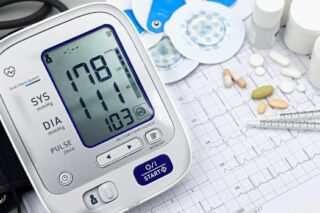
It’s a typical day, and you notice your blood pressure reading is consistently showing figures like 90 over 50. At first glance, the numbers might not mean much, but maintaining balanced blood pressure is key to overall well-being. A reading of 90 50 often indicates low blood pressure, also known as hypotension, which can sometimes lead to dizziness or fainting, affecting daily activities.
The Impact of 90 50 Blood Pressure Levels
When blood pressure levels drop to readings such as 90 50, it can be attributed to several factors including dehydration, nutritional deficiencies, or even as a side effect of medications. It affects how effectively the blood circulates through the body, which might lead to symptoms such as fatigue, blurred vision, and confusion. While some people naturally have lower blood pressure and feel fine, others might need to adjust their lifestyle or treatment plan to manage their symptoms.
Causes and Considerations for Low Blood Pressure
Various conditions can contribute to low blood pressure, including heart issues, endocrine problems, or severe infections. Additionally, lifestyle factors such as prolonged bed rest, dietary habits, and even emotional stress might play a role. For some, it could simply be a genetic disposition. Understanding these can help tailor an approach to support healthy blood pressure levels.
Eating a well-balanced diet and ensuring adequate fluid intake can make a difference. In some cases, increasing salt intake may be recommended, though it should be done cautiously and under guidance from a healthcare provider. Exploring the importance of a balanced diet, including protein-rich foods, might provide several health benefits, as discussed in this article.
When to Seek Care
If you’re experiencing symptoms such as dizziness, fainting, or confusion frequently, it’s essential to consult a healthcare professional. A primary care provider or a cardiologist can help determine the underlying cause of low blood pressure and recommend appropriate treatments or lifestyle adjustments. Early evaluation can prevent complications and ensure you maintain an optimal health balance.
Managing Medications and Blood Pressure
If you’re already on medications for other health issues and start noticing symptoms of low blood pressure, this should be discussed with your physician. Never stop taking a medication without consulting your doctor first, as it may lead to other health complications. Your healthcare provider might adjust your dose, change the medication, or introduce new therapy options to alleviate your symptoms.
Transitioning from one medication to another, if required, should be done under careful supervision. Understanding potential side effects and interactions is crucial. For further medical information, resources like the MedlinePlus database offer reliable insights.
Maintaining regular check-ups and monitoring your blood pressure at home can provide you with daily insights that are crucial for any needed interventions.
Common Questions
What lifestyle changes can support healthy blood pressure?
Incorporating regular physical activities, managing stress levels, and ensuring proper hydration can naturally support blood pressure regulation. Also, incorporating more vegetables, lean proteins, and whole grains into your diet can be beneficial.
Can dehydration cause low blood pressure?
Yes, dehydration can lead to low blood pressure. When the body loses more fluid than it takes in, it can affect blood volume, often causing blood pressure to drop.
Should I be worried if my blood pressure is 90 50?
While some people naturally have lower blood pressure without any negative effects, symptoms like dizziness or fainting should not be ignored. Consulting a healthcare provider can help determine if the low reading is acceptable for you.
What type of healthcare provider should I consult for blood pressure issues?
A primary care doctor or a cardiologist can be consulted if you experience persistent low blood pressure readings or related symptoms. They can provide a comprehensive evaluation to address any underlying conditions.
How can low blood pressure affect daily activities?
Low blood pressure can lead to fatigue and dizziness, potentially interrupting daily routines such as exercise, work, or even driving. Proper management is essential for maintaining a quality lifestyle.
- Consistently low blood pressure readings like 90 50 need attention, especially if symptoms are present.
- Certain lifestyle adjustments can help manage hypotension effectively.
- Consultation with healthcare professionals is vital if symptoms persist or worsen.
- A balanced diet is crucial for supporting overall cardiovascular health.
- Regular monitoring can assist in maintaining safe and healthy blood pressure levels.
Recognizing the significance of maintaining healthy blood pressure levels helps us take proactive steps toward better heart health and overall well-being. Even though blood pressure of 90 50 can sometimes occur, evaluating symptoms and knowing when to seek medical advice remains paramount for long-term health.
Other Articles You May Find of Interest...
- How Physiotherapy Can Help With Sciatica and Leg Pain
- The Role of Physical Therapy in Preventing Chronic Pain
- Movement Is a Lifelong Responsibility
- The Drawbacks and Risks of Trigger Point Therapy
- Making Physiotherapy Part of a More Comfortable Everyday Life
- Pars Fracture FAQs: Symptoms, Imaging, and Treatment Options
- A Better Truth About Bunions