Your Health Magazine Contributor
4201 Northview Drive
Suite 102
Bowie, MD 20716
More Workplace Health & Safety Articles
How Workplace Health Programs Support Business Growth
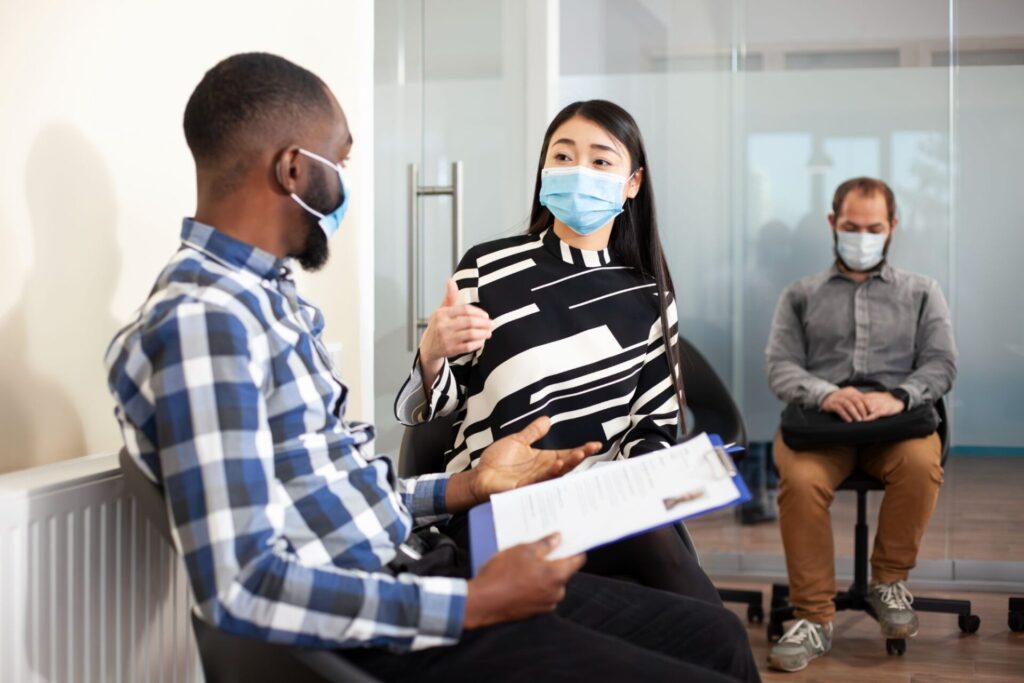
Business growth is often associated with higher sales, new technology, or expanding into new markets. Yet many successful organisations have something else in common. They invest in the health of their people.
When employees are healthy, engaged, and supported, businesses are better positioned to improve productivity, reduce disruption, and build a stronger reputation as an employer. Workplace health is no longer simply a wellbeing initiative. It has become an important business strategy that influences performance, retention, and long-term growth.
One element of this approach may include a pre employment medical, helping employers assess whether candidates can safely perform the inherent requirements of a role and whether reasonable workplace adjustments may be needed. Combined with broader workplace health initiatives, it contributes to creating a healthier and more resilient workforce.
Healthy Employees Are More Likely To Perform At Their Best
Every business relies on people to achieve its goals. When employees feel physically and mentally well, they are generally better able to:
- focus on their work
- collaborate with colleagues
- solve problems effectively
- manage changing workloads
- provide better customer service
By supporting employee wellbeing, organisations create an environment where people can consistently perform at a high level.
According to Safe Work Australia, work-related injuries and illnesses continue to have significant economic impacts across Australian workplaces, highlighting the value of investing in prevention.
Lower Absenteeism Helps Businesses Maintain Momentum
Unexpected absences affect more than the individual employee.
They often result in:
- disrupted workflows
- increased workloads for colleagues
- delayed projects
- additional recruitment costs
- reduced customer service
Effective workplace health programs help minimise preventable health issues, allowing teams to maintain continuity and productivity. Small reductions in absenteeism can create noticeable improvements across an organisation over time.
Workplace Health Improves Employee Retention
Replacing experienced employees is expensive. Recruitment, onboarding, training, and lost productivity all contribute to the cost of staff turnover.
Employees are often more likely to remain with organisations that genuinely invest in their wellbeing.
A supportive workplace demonstrates that employee health is valued, helping build trust and long-term commitment. Retention benefits businesses by preserving knowledge, strengthening team relationships, and reducing recruitment costs.
Prevention Is More Cost Effective Than Managing Workplace Injuries
Responding to workplace injuries after they occur is often far more expensive than preventing them.
A proactive approach may include:
✓ regular risk assessments
✓ manual handling training
✓ ergonomic workstations
✓ mental wellbeing initiatives
✓ fatigue management
✓ pre employment medical assessments for suitable roles
These measures help reduce risks before they develop into larger workplace challenges.
Workplace Health Programs Strengthen Company Culture
A healthy workplace is about more than physical safety. It also creates an environment where employees feel supported, respected, and encouraged to succeed.
Strong workplace cultures often demonstrate:
| Workplace Practice | Positive Business Outcome |
| Open communication | Greater employee trust |
| Wellbeing initiatives | Higher engagement |
| Safety education | Stronger compliance |
| Health support programs | Improved morale |
| Early intervention | Reduced workplace disruption |
Culture influences how employees work together, respond to challenges, and contribute to organisational goals.
Early Health Assessments Support Better Workforce Planning
Hiring the right person involves more than matching qualifications to a position. Some roles have physical demands that require employees to safely perform specific tasks.
A pre employment medical can help assess whether a candidate can safely perform the inherent requirements of the role and identify reasonable workplace adjustments that may support them where appropriate.
Depending on the role, assessments may consider:
- physical capability
- hearing and vision
- mobility
- respiratory health
- functional movement
Used appropriately, these assessments contribute to safer workplaces and better workforce planning.
Mental Wellbeing Has A Direct Impact On Business Performance
Mental health affects every workplace regardless of industry. Employees experiencing high levels of stress may find it more difficult to:
- concentrate
- communicate
- make decisions
- manage workloads
- maintain productivity
According to Beyond Blue, mentally healthy workplaces support improved wellbeing, stronger engagement, and earlier access to support.
Simple initiatives such as manager training, flexible work arrangements, employee assistance programs, and open communication can make a meaningful difference.
Investing In Health Supports Sustainable Growth
Business growth is difficult to sustain without a healthy workforce. Organisations that prioritise prevention often experience benefits beyond immediate productivity.
These may include:
| Long-Term Investment | Business Benefit |
| Employee wellbeing | Higher engagement |
| Injury prevention | Reduced compensation risk |
| Health education | Improved workforce awareness |
| Early intervention | Fewer long-term absences |
| Safe recruitment practices | Better workforce suitability |
Over time, these improvements can strengthen organisational resilience and support sustainable growth.
Employees Benefit Alongside Businesses
The most effective workplace health programs create value for everyone.
Employees benefit through:
- safer workplaces
- improved wellbeing
- greater confidence
- better work-life balance
- stronger support systems
- reduced health risks
Businesses benefit from higher productivity, stronger retention, and a more engaged workforce.
When both outcomes are achieved together, workplace health becomes a shared success.
Building A Preventive Workplace Starts With Small Steps
Creating a healthier workplace does not always require major change.
Many organisations begin by:
- reviewing workplace risks
- encouraging early reporting of health concerns
- promoting healthy work habits
- providing ongoing safety training
- supporting employee wellbeing throughout the employment journey
These practical actions often produce lasting improvements over time.
Final Thoughts
Workplace health programs are about much more than preventing illness or injury. They help organisations create environments where employees can perform at their best, remain engaged, and contribute to long-term business success.
Whether through wellbeing initiatives, mental health support, ergonomic improvements, safety education, or pre employment medical assessments where appropriate, investing in employee health creates benefits that extend across the entire organisation.
Businesses that prioritise prevention are often better equipped to build resilient teams, support sustainable growth, and create workplaces where both employees and organisations can thrive.
Other Articles You May Find of Interest...
- The Long-Term Health Effects of Repetitive and Physically Demanding Work
- Create Extra Office Space in the Garden for Employee Well-Being
- Chemical Exposure at Work: The Symptoms You Shouldn’t Ignore
- Garfield DTF Shops: Before Installing Equipment Check List
- How Remote Work Benefits Employee Wellbeing: What The Remote Work Statistics Really Say
- How Classic Car Restoration in South Florida Can Bring Your Vehicle Back to Life
- The Growing Demand for Made-to-Order Industrial Components