






More Women's Health & Beauty Articles
Navigating Pregnancy with Fibroids: Essential Insights for Expecting Mothers
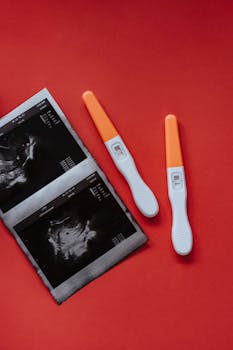
When Sarah discovered she was pregnant, her excitement was quickly met with concern upon learning she had uterine fibroids. As it turns out, Sarah is not alone—many pregnant women with fibroids find themselves navigating these common yet often misunderstood noncancerous growths. Understanding the implications of fibroids during pregnancy can ease anxiety and help expecting mothers make informed decisions for their health and the health of their baby.
Fibroids and Pregnancy: What Expecting Mothers Need to Know
During pregnancy, the presence of fibroids can influence various factors, such as pain management, birth plan adjustments, and monitoring for complications. Fibroids are typically noncancerous growths in the uterus, which can vary in size and number. For pregnant women with fibroids, these growths might remain symptom-free, or they might cause abdominal pain, pressure, and in some cases, even affect fertility or complicate pregnancy.
The extent to which fibroids impact a pregnancy largely depends on their size, number, and location within the uterus. Some women may experience more frequent or severe pain, while others might undergo their pregnancies unaffected. Each case is unique, so personalized care and regular monitoring are crucial.
How Fibroids Can Affect Pregnancy
Many women discover they have fibroids during routine ultrasound exams while pregnant. Though fibroids can sound alarming, they don’t always pose a threat. However, in some cases, fibroids can grow in size due to increased hormone levels during pregnancy, potentially leading to discomfort or complications such as:
- Pain due to the fibroid’s increased size.
- Possible influence on the position of the baby or chances of requiring a C-section.
- Risk of preterm birth if fibroids cause uterine contractions.
It is important to maintain open communication with healthcare providers to manage any risks associated with fibroids effectively.
When to Seek Care
It’s essential for pregnant women with fibroids to know when to consult a healthcare provider. Reach out to your OB-GYN if you experience severe abdominal pain, unusual bleeding, or any changes in fetal movement. These symptoms might indicate complications requiring immediate medical assessment. Your healthcare provider can offer guidance on how to manage symptoms and decide on the best monitoring plan throughout your pregnancy journey. If you are considering additional information on post-pregnancy concerns, our article on infertility issues beyond pregnancy may provide helpful insights.
Medications and Management Options
During pregnancy, pain management becomes a delicate balance, as many common pain medications are avoided to protect the developing fetus. Alternatives such as acetaminophen might be recommended by healthcare providers, but always consult first. If fibroids cause significant discomfort or other complications, discussing potential management strategies with your OB-GYN is crucial. Options might include careful observation or specific lifestyle adaptations.
Pregnant Women with Fibroids: Day-to-Day Considerations
Living with fibroids during pregnancy doesn’t mean constant discomfort, but awareness of lifestyle adjustments can help mitigate any associated issues. Staying hydrated, maintaining a healthy diet, and engaging in gentle exercises like prenatal yoga could support overall well-being and potentially ease symptoms. It’s equally important to listen to your body and rest when necessary to avoid exacerbating discomfort.
Takeaways
- Fibroids are common and often harmless during pregnancy.
- Careful monitoring by healthcare providers can prevent complications.
- Maintain open communication with your OB-GYN regarding any symptoms.
- Personalized management plans are essential for comfort and safety.
Common Questions
How can fibroids affect my pregnancy experience?
Fibroids can lead to abdominal pain, potential complications with baby’s position, or increase the likelihood of a C-section. However, many women go through pregnancies with minimal or no complications.
What type of provider should I see for fibroid concerns?
An obstetrician-gynecologist (OB-GYN) is the most appropriate provider to consult regarding fibroids during pregnancy. They can offer specialized care and advice tailored to your pregnancy and fibroid condition.
How are fibroids typically discovered during pregnancy?
Fibroids are often found during routine ultrasound exams. These exams can determine the fibroid’s size, number, and location, helping to assess potential impact on the pregnancy.
What symptoms indicate I should see a doctor immediately?
If you experience severe abdominal pain, unusual bleeding, or decreased fetal movement, seek medical advice promptly. These symptoms might necessitate immediate attention to prevent complications.
Are there any lifestyle changes that can help ease fibroid symptoms during pregnancy?
Maintaining hydration, a balanced diet, and gentle exercise can help manage symptoms. Listening to your body and resting when necessary is also beneficial. Always consult your healthcare provider before making lifestyle changes.
For more information on fibroids and how they can impact your health, visit MedlinePlus for reliable health information. This resource provides comprehensive insights to guide your journey through pregnancy with fibroids.
Other Articles You May Find of Interest...
- The Science Of Firmer, More Radiant Skin
- How Acupuncture Supports Women’s Health
- Women and Gorgeous Smiles
- The Forgotten Pillar Of Total Wellness
- Menopause at Work: Why Women’s Health Is Becoming a Workplace Issue
- Heavy Menstrual Bleeding: Common Causes, Warning Signs and When to See a Gynecologist
- Low Albumin During Pregnancy: Common Causes and When It Matters





