More Women's Health & Beauty Articles
Navigating Nipple Pain During Pregnancy: Causes and Relief Strategies
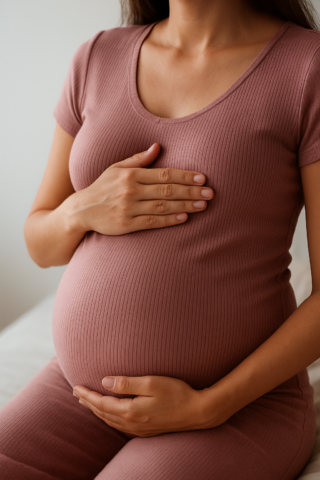
Many expecting mothers experience nipple pain during pregnancy, and it can be both surprising and concerning. This discomfort, ranging from mild soreness to sharp pain, often catches women off guard as they navigate the other changes their bodies undergo. Understanding the causes and exploring relief strategies can make this experience more manageable.
Common Causes of Nipple Pain During Pregnancy
Nipple pain in pregnancy can often be attributed to hormonal changes. The increase in estrogen and progesterone prepares your body for breastfeeding, leading to increased blood flow and changes in breast tissue. This can cause the nipples to become more sensitive.
Another cause of nipple discomfort is the growth and stretching of breast tissue. As your breasts become fuller and heavier, the skin and underlying structures stretch, which may lead to tenderness and occasional sharp pain.
Relief Strategies for Tenderness and Soreness
Applying warm or cold compresses can offer immediate relief. You can alternate between the two to see which one provides the most comfort. Soft, breathable fabrics for bras and clothes can also reduce irritation against the sensitive skin of your nipples. Consider using a supportive maternity bra to minimize movement and discomfort.
Moisturizing creams or lanolin ointments may help by keeping the nipples moisturized and reducing the risk of cracking or chafing. Be sure to choose products that are safe for use during pregnancy.
Sharp Nipple Pain: What It Means and How to Handle It
If you’re experiencing sharp nipple pain during pregnancy, it might be due to sudden hormonal surges or changes in room temperature. Adjusting the thermostat or adding layers might alleviate this discomfort. Some find that practicing relaxation techniques helps manage any residual pain, as stress can heighten sensations of discomfort.
When to Seek Care
While nipple pain can be a normal part of pregnancy, it’s essential to know when to seek professional advice. If the pain is severe, persistent, or accompanied by other symptoms such as discharge (other than colostrum), redness, or swelling, it is advisable to consult a healthcare provider. Obstetricians and certified nurse-midwives often evaluate nipple pain to ensure everything is progressing typically or to address any underlying issues.
How Hormone Changes Affect Daily Life
Nipple sensitivity can impact various daily activities. For example, exercise routines might need adjustments to avoid discomfort from movement. Additionally, intimate activities with your partner might require modifications or extra communication to ensure comfort.
Considerations for Using Medications
Before considering any medications for nipple pain, it’s crucial to consult a healthcare provider. Over-the-counter pain relievers may be an option, but dosages and safety during pregnancy should be confirmed with a doctor. Remember that topical applications, even seemingly benign ones, should be assessed for safety.
Discuss potential side effects with your provider when evaluating medications for relief. This conversation should include what to expect if any symptoms suggest that a medication’s dosage needs adjustment. Your doctor can help determine the most appropriate pain management strategy for your particular circumstances.
Takeaways
- Nipple pain during pregnancy is often due to hormonal changes and breast tissue growth.
- Warm or cold compresses and soothing ointments can offer relief.
- Seek care if nipple pain is severe, persistent, or accompanied by unusual symptoms.
- Hormone-related changes can affect daily activities and exercise routines.
- Consult with healthcare providers before using medications for pain relief.
Common Questions
What causes nipple pain during pregnancy?
Nipple pain during pregnancy is frequently due to hormonal changes and growth of breast tissue, both of which increase sensitivity.
When should I see a doctor for nipple pain?
If your pain is severe, does not resolve, or is accompanied by redness, swelling, or unusual discharge, it’s important to consult with an obstetrician or certified nurse-midwife.
What are some preventative measures for nipple pain in pregnancy?
Avoiding harsh soaps, wearing soft fabrics, and ensuring proper breast support are effective preventative measures. Regularly moisturizing with safe products can also help keep discomfort at bay.
Can nipple pain affect my daily routine?
Yes, activities such as exercise and intimacy may require adjustments to reduce discomfort caused by increased sensitivity or sharp pain.
Where can I find more information about pregnancy?
For reliable information about pregnancy, you can visit MedlinePlus.
Other Articles You May Find of Interest...
- The Science Of Firmer, More Radiant Skin
- How Acupuncture Supports Women’s Health
- Women and Gorgeous Smiles
- The Forgotten Pillar Of Total Wellness
- Menopause at Work: Why Women’s Health Is Becoming a Workplace Issue
- Heavy Menstrual Bleeding: Common Causes, Warning Signs and When to See a Gynecologist
- Low Albumin During Pregnancy: Common Causes and When It Matters