






More Women's Health & Beauty Articles
Exploring the Benefits of the Combo Estrogen Progesterone Patch for Hormonal Balance
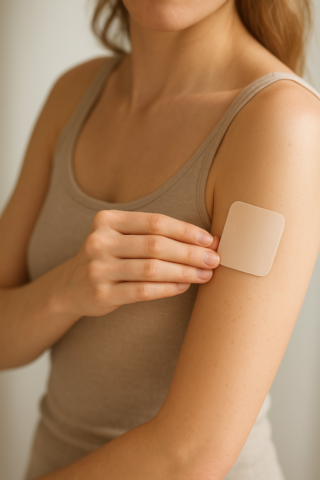
After trying various methods to manage hormonal imbalances, many women find relief with a combo estrogen progesterone patch. This patch is designed to offer a convenient method of delivering hormone therapy, potentially easing symptoms such as hot flashes, mood swings, and irregular periods. Think of the patch as a trusty, consistent partner in the journey of hormonal balance.
The Combo Estrogen Progesterone Patch and How It Works
The combo estrogen progesterone patch is applied to the skin, delivering two hormones steadily over time—estrogen and progesterone. This method can help maintain consistent hormone levels, which may alleviate a variety of menopausal symptoms. For women who find pills or injections challenging, the patch provides a manageable alternative that fits seamlessly into daily life.
Expected Experiences and Day-to-Day Use
For many, using the patch becomes part of a weekly routine. Typically, the patch is replaced once or twice weekly, depending on the specific formulation prescribed by a healthcare provider. Placement should be on clean, dry skin, alternating locations to avoid irritation. Being mindful of avoiding lotions, powders, or creams on application areas helps the patch adhere securely.
Commonly, users report that the patch provides a consistent hormonal balance that oral or injectable methods might not offer due to even hormone levels absorption through the skin. However, experiences can vary, and it’s essential to communicate any concerns with a healthcare provider.
Questions to Ask Your Healthcare Provider
If you are considering switching to the combo estrogen progesterone patch, here are some questions to discuss with your provider:
- Will I need to adjust other medications as I start using this patch?
- Are there any specific side effects I should watch for?
- How often should I schedule follow-up assessments to monitor its effects?
- What should I do if I experience skin irritation at the patch site?
When to Seek Care
If you notice any significant side effects, such as severe headaches, unusual vaginal bleeding, or skin reactions like redness or rash at the application site, it’s crucial to consult your healthcare practitioner. An endocrinologist or gynecologist is typically well-versed in managing hormone-related therapies and can guide you appropriately.
Additionally, if your symptoms persist or worsen despite treatment, a healthcare evaluation can help refine your therapeutic approach. For those interested in exploring other hormonal treatments related to fertility issues, exploring how metformin is used in PCOS offers additional insights.
External Considerations and Safety
While many women experience positive effects with the combo estrogen progesterone patch, individual responses may vary. It’s advisable to read up on additional menopausal management methods to understand other available options. Always integrate these discussions with professional medical advice tailored to your specific health needs.
Remember that lifestyle factors such as diet, stress management, and exercise play an integral role in how effective the hormone therapy might be. Balancing these elements with medical treatment can yield the best results for managing menopausal symptoms.
Common Questions
When should someone consider seeing a healthcare provider?
If experiencing disruptive symptoms like severe mood swings, persistent hot flashes, or significant lifestyle impacts despite using a hormone patch, it’s time to consult with a doctor. Regular follow-ups ensure your treatment plan remains effective and safe.
What types of providers help manage hormonal imbalances?
Endocrinologists, gynecologists, and primary care physicians are typically involved in managing hormone therapy. They can help tailor treatments and monitor effectiveness, adjusting the plan as necessary.
What are some common side effects of hormone patches?
Users may experience skin irritation at the application site, headache, nausea, or mild bloating. Rarely, there might be more severe side effects, necessitating prompt medical advice.
Can lifestyle changes complement the use of estrogen progesterone patches?
Yes, maintaining a balanced diet, engaging in regular physical activities, and managing stress are crucial elements that can support the overall effectiveness of hormonal treatments.
- A combo estrogen progesterone patch releases hormones through the skin.
- It is a convenient option for those who prefer not to take pills or injections.
- Consistent application helps manage menopausal symptoms effectively for many.
- Consult healthcare providers if you experience problematic side effects.
- Consider lifestyle adjustments alongside medical treatments for optimal results.
In conclusion, utilizing a combo estrogen progesterone patch can be a viable solution for managing hormonal imbalances, particularly during menopause. Personalized guidance from a healthcare provider ensures that the chosen treatment aligns with individual health needs and lifestyles.
Other Articles You May Find of Interest...
- The Science Of Firmer, More Radiant Skin
- How Acupuncture Supports Women’s Health
- Women and Gorgeous Smiles
- The Forgotten Pillar Of Total Wellness
- Menopause at Work: Why Women’s Health Is Becoming a Workplace Issue
- Heavy Menstrual Bleeding: Common Causes, Warning Signs and When to See a Gynecologist
- Low Albumin During Pregnancy: Common Causes and When It Matters





