






More Women's Health & Beauty Articles
Essential Tips on What to Avoid When Dealing with Cystitis
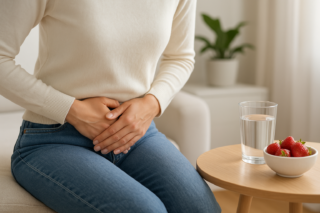
Imagine the sudden, painful urgency to urinate with a constant burning sensation. For those experiencing cystitis, this discomfort is all too familiar. Understanding what to avoid when managing this condition can be crucial for relief. Let’s delve into the important things to avoid with cystitis to help alleviate symptoms and prevent future episodes.
Things to Avoid With Cystitis
Keeping cystitis at bay involves more than just treatment. It requires understanding certain triggers that might aggravate your condition. From dietary choices to lifestyle habits, being informed of things to avoid with cystitis is an essential part of management. Here’s what you should be mindful of:
Dietary Choices: Foods and Drinks to Limit
What you consume can significantly impact your condition. Certain foods and beverages can irritate the bladder and worsen cystitis symptoms. Here are some common culprits:
- Caffeine: Found in coffee, tea, and soda, caffeine can aggravate the bladder lining.
- Spicy Foods: Spices like chili peppers and hot sauces may trigger discomfort.
- Alcohol: It can dehydrate the body, irritating the bladder and worsening symptoms.
- Citrus Fruits and Juices: Oranges, lemons, and their juices are acidic and can be bladders irritants.
- Artificial Sweeteners: These can also contribute to irritation in some individuals.
Hydration Habits
Proper hydration is critical, but overdoing it or drinking the wrong types of fluids can cause issues. While it’s essential to drink enough water, avoid overconsumption that might lead to frequent urination. Aim for bladder-friendly beverages and limit caffeine and sugar-laden drinks.
Medication Considerations
When managing cystitis, some medications may exacerbate symptoms. If you’re prescribed medication for other conditions, discuss with your doctor whether any might irritate the bladder. Furthermore, certain over-the-counter medications, such as antihistamines, may cause urinary retention. Always consult healthcare providers when in doubt.
Clothing Choices Make a Difference
Your wardrobe might not be the first thing that comes to mind, but clothing can impact cystitis. Tight-fitting clothes can put pressure on the bladder, increasing irritation. Consider wearing loose, breathable fabrics, especially around the waist and pelvic area.
When to Seek Care
While self-management strategies can help, there are times when professional evaluation is necessary. If symptoms persist, recur frequently, or are accompanied by fever or blood in the urine, it’s time to see a healthcare provider. Urologists or primary care physicians can assist in diagnosing and treating ongoing issues.
Practicing Safe Medication Use
Medication is often part of cystitis management, but questions about its use are common. Typically, it’s best to complete the full prescribed course before starting new medications unless advised otherwise by a doctor. Be alert to any changing side effects; if new symptoms appear or persist, consult your healthcare provider. Discussion with your doctor is valuable before making any changes to your medication plan.
Impact on Everyday Activities
Cystitis can interfere with daily life, from interrupting work to limiting social outings. The discomfort and urgency can make routine activities challenging. Being proactive and mindful of triggers can help reduce these interruptions.
For more detailed information on urinary tract conditions, you can visit the MedlinePlus urinary tract infection page.
Common Questions
What type of provider treats cystitis?
A primary care physician or urologist can diagnose and treat cystitis. While primary care doctors can handle initial treatments, persistent cases might require a urologist’s specialized care.
How can I prevent cystitis?
Preventive measures include staying hydrated, urinating frequently, and maintaining good hygiene. Avoiding known dietary irritants also plays a role.
What are common recovery tips?
Rest, increased fluid intake, and avoiding bladder irritants can support recovery. If symptoms persist beyond what can be managed at home, consult a healthcare provider.
When should I see a doctor?
If cystitis symptoms don’t improve with home remedies within a few days, or if you experience severe pain, fever, or blood in urine, it’s crucial to seek medical assistance immediately.
- Avoid caffeine, alcohol, and spicy foods to manage cystitis symptoms.
- Wear loose, breathable clothing to reduce bladder pressure.
- Consult a healthcare provider if symptoms persist or worsen.
- Proper use of medications is essential for effective management.
- See a healthcare provider for persistent or severe symptoms.
Other Articles You May Find of Interest...
- The Stages of Labor, Explained From First Contraction to Birth
- Can Bifidobacterium Bacteria Help Your Vagina?
- 5 Common Reproductive Health Concerns and When to Seek Care
- Postpartum Health & C-Section Recovery
- What Breast Pain Usually Means, and Rarely Does
- Stretch Mark Treatments: A Pregnancy-First Guide for Expecting Moms
- When Should You Seek a Second Opinion for a Gynaecological Condition?




