






More Women's Health & Beauty Articles
Effective Techniques for Relieving Coccydynia Through Massage
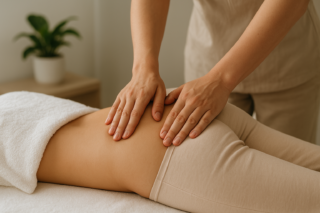
Sitting for long periods can sometimes lead to an uncomfortable pain at the base of your spine. You might not even realize it until you stand up and feel a sharp discomfort or need to shift in your chair constantly for relief. This could be coccydynia, a condition that affects the tailbone, and exploring a coccydynia massage might provide the relief you’re seeking.
Techniques for Effective Coccydynia Massage
Massaging the tailbone area requires a gentle approach, as this part of the body can be sensitive. Professionals often suggest starting with superficial circular motions to warm up the area. Some prefer using light pressure with their fingers or a soft massage ball to relieve tension not just at the tailbone but also in surrounding tissues.
For those considering a DIY approach, it’s crucial to listen to your body and avoid pain during massage. Consult with a trained massage therapist who can guide these techniques safely, or employ tools designed specifically for safe self-massage at home. Regular sessions may help support better flexibility and decrease discomfort over time.
Additional Relief Methods
Besides professional massages, incorporating other modalities such as heat therapy, stretching exercises, and posture adjustments can complement the relief gained from massage. Using a cushion, especially a donut-shaped one, may provide immediate comfort during long sitting periods.
Another vital aspect of managing symptoms involves evaluating daily habits, such as how much time is spent sitting and whether ergonomic adjustments might help. Activities like yoga or pilates, known for enhancing core strength and flexibility, can support the back and potentially minimize tailbone strain.
When to Seek Care
If symptoms of coccydynia persist despite self-care methods, it may be time to consult a healthcare provider. Orthopedic specialists or physical therapists can evaluate your situation and offer tailored advice. Persistent or severe pain should not be ignored as it might signify a need for further investigation.
Engaging with a healthcare professional is crucial if the pain disrupts daily activities like walking or sitting, or if it significantly impacts your quality of life. They can help rule out other underlying conditions and recommend appropriate interventions.
How Medication Fits In
For some individuals, medications may be prescribed to help manage coccydynia symptoms. These can range from over-the-counter pain relievers to prescription options for more persistent discomfort. It’s important to discuss potential side effects and interactions with other medications you’re taking when considering this treatment approach.
Before starting or changing any medication regimen, discussing your complete health profile with your doctor can help tailor the most effective plan for you. Some may experience relief from lower doses, while others might need adjustments over time, highlighting the personalized nature of this approach.
Daily Life with Coccydynia
Living with coccydynia may require some lifestyle changes to avoid exacerbating the condition. Simple actions like using standing desks, taking frequent walking breaks, or reconsidering sitting positions can make everyday life more comfortable. Staying active within pain-free limits is also encouraged to maintain overall well-being.
It’s imperative to acknowledge how coccydynia can impact your social and work life. Being proactive in using creative solutions to manage your symptoms ensures that you can continue engaging in activities you enjoy or responsibilities you need to fulfill.
Takeaways
- Coccydynia massage can be an effective tool for relieving tailbone pain.
- Professional guidance can enhance the effectiveness and safety of massage techniques.
- Complementary therapies such as heat, movement, and ergonomic adjustments support recovery.
- Seek evaluation if pain persists, to rule out other conditions and consider other treatments.
- Adjusting habits in daily life can significantly improve comfort and reduce symptoms.
Common Questions
What causes coccydynia?
Coccydynia can result from a fall, prolonged sitting, poor posture, or childbirth. It sometimes appears without a clear cause.
When should I see a doctor for coccydynia?
Consult a doctor if pain persists for more than a few weeks, is severe, or disrupts daily life. Healthcare providers can offer a detailed evaluation and treatment suggestions.
Can lifestyle changes help manage coccydynia?
Yes, adopting good posture, using ergonomic supports, and integrating movement and stretching into your day can help reduce symptoms.
What type of provider treats coccydynia?
Orthopedic specialists and physical therapists often manage coccydynia. They can offer exercises, lifestyle tips, and other modalities for managing pain.
Is medication necessary for coccydynia?
Medication may be helpful for symptom management, especially when combined with physical therapies. Discuss options and risks with your doctor for the best plan.
For more information on managing back pain and related conditions, refer to the comprehensive resources available on MedlinePlus.
Other Articles You May Find of Interest...
- The Science Of Firmer, More Radiant Skin
- How Acupuncture Supports Women’s Health
- Women and Gorgeous Smiles
- The Forgotten Pillar Of Total Wellness
- Menopause at Work: Why Women’s Health Is Becoming a Workplace Issue
- Heavy Menstrual Bleeding: Common Causes, Warning Signs and When to See a Gynecologist
- Low Albumin During Pregnancy: Common Causes and When It Matters





