More Women's Health & Beauty Articles
Can an Ectopic Pregnancy Show a Positive Test Result?
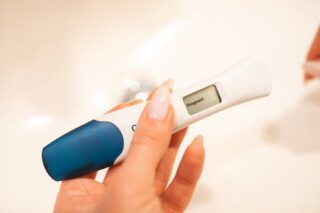
Many women are surprised to learn that an ectopic pregnancy can indeed show a positive result on a pregnancy test. This might seem confusing, especially when one equates a positive result solely with healthy pregnancies. An ectopic pregnancy occurs when a fertilized egg implants outside the uterus, typically in a fallopian tube. Despite this abnormal placement, the body can still produce human chorionic gonadotropin (hCG), the hormone detected by pregnancy tests. Thus, when faced with symptoms or suspicions, understanding if an ectopic pregnancy can test positive is crucial for timely medical intervention.
Can an Ectopic Pregnancy Show a Positive Test Result?
The short answer is yes. Ectopic pregnancies often result in a positive pregnancy test because the body releases the same hormone, hCG, as it would during a typical pregnancy. However, the levels of hCG may rise more slowly compared to a normal pregnancy, which can sometimes be a clue for clinicians when diagnosing an ectopic pregnancy. Understanding this can help in recognizing the need to consult a healthcare provider for further evaluation.
Signs and Symptoms of an Ectopic Pregnancy
An ectopic pregnancy may present with various signs that seem similar to a normal pregnancy, such as a missed period, breast tenderness, and nausea. However, specific symptoms like sharp abdominal pain, vaginal bleeding, and dizziness can indicate an abnormality. If you experience these symptoms, particularly with a positive pregnancy test result, it’s essential to seek medical attention.
Why Proper Diagnosis is Important
An ectopic pregnancy can pose significant health risks if left untreated, including fallopian tube ruptures and internal bleeding. These complications highlight why early diagnosis is vital. A healthcare provider can perform an ultrasound and check hCG levels to confirm an ectopic pregnancy.
When to Seek Care
If you suspect you might have an ectopic pregnancy, it’s crucial to visit a healthcare provider as soon as possible. Obstetricians and gynecologists are the specialists most equipped to assess and manage this condition. Especially if you’re experiencing intense abdominal pain, severe dizziness, or fainting, you should consider this an emergency and seek immediate care.
Impact on Daily Life
Not only is an ectopic pregnancy physically distressing, but it can also emotionally challenging. It can interfere with daily activities, causing discomfort and stress. The path to recovery may require medical treatment or surgery, impacting work and routine tasks. Support from family, friends, and professional mental health counselors can be beneficial during this time.
Treatment and Considerations
Treatment for an ectopic pregnancy often involves medication or surgery. Methotrexate is a commonly used medication that stops cells from growing, terminating the pregnancy. This approach is suitable when the ectopic pregnancy is detected early and the fallopian tube hasn’t ruptured. In cases where surgery is needed, a laparoscopy might be performed to remove the ectopic tissue.
What to Know About Medication
When using methotrexate, patients should follow their healthcare provider’s guidance closely. This includes avoiding alcohol and certain vitamins that might interfere with the drug. It’s equally important to follow up with blood tests to ensure hCG levels drop as expected. Patients might have questions about the medication, like potential side effects or dietary considerations, which should be discussed with the provider.
For more information on fertility challenges and support, you can read more about potential solutions on this informative page.
Potential Complications
Unfortunately, complications can arise from an ectopic pregnancy, especially if treatment is delayed. These might include damage to the fallopian tubes, which could affect future fertility. Therefore, awareness and prompt medical attention are key to managing this condition effectively.
External resources like Mayo Clinic’s page on ectopic pregnancy provide valuable information for those seeking to understand this condition further.
Takeaways
- An ectopic pregnancy can indeed show a positive pregnancy test.
- Symptoms can mimic typical early pregnancy, causing confusion.
- Seek immediate care if you experience severe pain or dizziness.
- Treatment involves medication or surgery, depending on the stage.
- Complications can affect future fertility if not treated promptly.
Common Questions
When should I see a doctor if I suspect an ectopic pregnancy?
If you suspect an ectopic pregnancy or experience symptoms such as sharp abdominal pain, vaginal bleeding, or dizziness, see a healthcare provider immediately. It’s crucial to address these symptoms early to prevent serious complications.
Who can treat ectopic pregnancies?
Obstetricians and gynecologists are specialized in handling pregnancies, including ectopic cases. They can provide proper diagnosis and treatment options to ensure safety and health.
What causes an ectopic pregnancy?
An ectopic pregnancy can be caused by several factors including inflammation and scarring of the fallopian tubes from previous medical conditions or surgeries. Certain fertility treatments and smoking can also increase risk.
Can an ectopic pregnancy be prevented?
While there isn’t a surefire way to prevent ectopic pregnancies, reducing risk factors like smoking, treating infections promptly, and managing underlying health issues might help. Discuss preventive measures with your healthcare provider if you have concerns.
What does recovery from an ectopic pregnancy look like?
Recovery can vary depending on the treatment method but generally involves monitoring and rest. It’s essential to follow your healthcare provider’s guidelines for a safe recovery and to discuss any concerns you might have about future pregnancies.
Understanding ‘does ectopic pregnancy test positive’ and recognizing symptoms early encourages timely medical consultation, potentially safeguarding your health.
Other Articles You May Find of Interest...
- The Science Of Firmer, More Radiant Skin
- How Acupuncture Supports Women’s Health
- Women and Gorgeous Smiles
- The Forgotten Pillar Of Total Wellness
- Menopause at Work: Why Women’s Health Is Becoming a Workplace Issue
- Heavy Menstrual Bleeding: Common Causes, Warning Signs and When to See a Gynecologist
- Low Albumin During Pregnancy: Common Causes and When It Matters