Your Health Magazine Contributor
4201 Northview Drive
Suite 102
Bowie, MD 20716
More Weight Control, Nutrition & Exercise Articles
First Month on GLP-1: What Should You Track?
Your first month on GLP-1 may involve several changes at once. In addition to following a new medication schedule, you may notice changes in appetite, meal size, digestion, hydration or everyday routines.
A simple tracking system can help you remember what happened between appointments. During your first month on GLP-1, consider recording your medication, meals, protein sources, water intake, symptoms, weight and questions for your healthcare provider.
Tracking does not tell you whether to change a dose or treatment plan. Those decisions belong to you and your prescribing clinician. The purpose of a GLP-1 tracker is to keep useful personal information organized so that you can review it over time and discuss it with a qualified professional.
Quick Answer: What to Track During Your First Month on GLP-1
A practical first-month record can include:
- Medication name and prescribed dose
- Date and time each dose was taken
- Meals and approximate portions
- Protein sources
- Water and other drinks
- Appetite changes
- Digestive symptoms and other physical changes
- Weight, when recommended by your clinician
- Activity and sleep notes
- Questions for your next appointment
You do not need to record every detail from the first day. Start with the information your clinician considers important, then build a routine you can realistically maintain.
Create a GLP-1 Medication Tracker
Start by recording the treatment plan provided by your healthcare professional. Include the medication name, prescribed dose, start date, schedule and next appointment.
Each time you take the medication, note the date and time. If your clinician has asked you to record additional details, such as the location of an injection, include those as well.
A GLP-1 medication tracker can also help you remember whether a scheduled dose was completed. However, it should not tell you how to handle a missed dose. Different medications and formulations may have different instructions. Check the official medication guide or contact your pharmacist or prescribing clinician if you are uncertain.
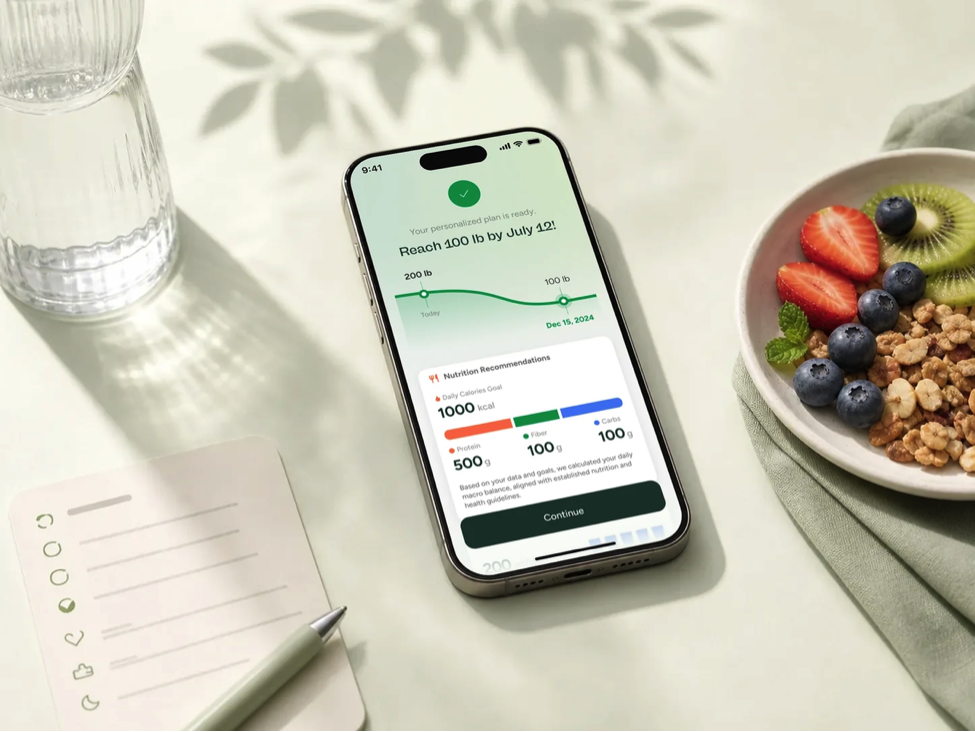
A guide explaining what to track during your first month on GLP-1 can provide a useful starting framework for medication, nutrition, hydration and progress records.
Track Food, Protein and Appetite Changes
Food tracking during your first month on GLP-1 does not have to involve weighing every ingredient or calculating every nutrient.
For each meal, consider recording:
- The time you ate
- The main foods
- An approximate portion
- Sources of protein
- Your appetite before eating
- How you felt after the meal
These details may help you identify patterns worth discussing with a healthcare professional. For example, you may notice that your appetite or comfort differs depending on meal timing or portion size. A record can show that a pattern exists, but it cannot confirm its medical cause.
Avoid setting a calorie or protein target based only on a general online recommendation. Nutritional needs vary according to age, health history, activity, treatment goals and other factors. A doctor or registered dietitian can provide individualized guidance.
Keep a Simple Hydration Log
Hydration is another useful area to include in GLP-1 progress tracking. Record water and other drinks as you consume them rather than trying to remember everything at the end of the day.
Add brief context when relevant. Hot weather, exercise, travel and illness can affect daily routines and fluid needs.
There is no single online hydration target that is appropriate for everyone. Some people may have medical conditions that require specific fluid guidance. Follow any instructions provided by your healthcare team.
Record Symptoms With Useful Context
A symptom log should describe what happened without attempting to diagnose the cause.
Record:
- What you experienced
- When it began
- How long it lasted
- Whether it returned
- What you had recently eaten or drunk
- When you last took your medication
- Whether it affected normal activities
Common gastrointestinal side effects listed for several GLP-1 medications include nausea, vomiting, diarrhea and constipation. However, individual medications have different safety information, and not every symptom is necessarily caused by treatment.
Read the medication guide supplied with your prescription. The MedlinePlus information on semaglutide, for example, explains that it should be used exactly as directed and identifies symptoms that require medical attention.
Contact your healthcare provider about symptoms that are persistent, worsening or concerning. Seek urgent medical care when appropriate. A tracking app can preserve useful details, but it cannot assess the severity of a symptom or recommend treatment.
Review Weight and Activity as Trends
If your clinician recommends weighing yourself, record the date and measurement under reasonably consistent conditions.
Daily weight can change because of hydration, meals and other normal factors. One number may therefore be less useful than a trend recorded over several weeks.
Avoid using another person’s results as a target for your first month on GLP-1. Individual experiences differ, and online examples rarely include the person’s complete health and treatment history.
Activity can be recorded in the same practical way. Note walks, workouts or changes in your usual movement without turning the log into a scorecard. If you are beginning or changing an exercise program, ask a qualified professional what is appropriate for your health.
Use a GLP-1 Tracker to Keep Records Together
A tracking system becomes harder to use when medication reminders, food photos, symptom notes, water records and weight measurements are stored in different places.
A dedicated GLP-1 tracker such as Glowise brings medication, meals, protein, hydration, weight, activity and symptom notes into one app. VoiceLog, food photos, barcode and nutrition-label scanning, and menu scanning can reduce repetitive manual entry.
Glowise is designed for tracking and education. It does not provide medical diagnosis, treatment or medication advice. Its records may support conversations with healthcare professionals, but they should not be used to change a prescription independently.
The best tracking method is one you can continue using. A short, consistent record is usually more useful than a detailed system that becomes too demanding after a few days.
Complete a Weekly GLP-1 Progress Review
At the end of each week, review your records and identify the information that may be useful at your next appointment.
Ask yourself:
- Did I follow the schedule provided by my clinician?
- Which items did I frequently forget to record?
- Did I notice recurring appetite or digestive changes?
- Were there symptoms I should discuss with my healthcare provider?
- What questions have come up since starting treatment?
- Is my tracking routine simple enough to continue?
A weekly review can turn separate daily entries into a clearer summary. It should not be used to decide whether to increase, reduce or stop medication.
Prepare Your Records for Your Next Appointment
Before your next appointment, create a short summary rather than bringing an unorganized list of daily entries.
Include:
- Your current medication and prescribed dose
- Your medication record
- Persistent or recurring symptoms
- Relevant changes in appetite, meals or hydration
- Weight information requested by your clinician
- Other medications or supplements
- Questions about your treatment plan
These records give your healthcare provider more context about the period between visits. Your clinician can interpret them alongside your medical history, examination and any relevant test results.
Frequently Asked Questions
What should I track during my first month on GLP-1?
Start with your prescribed medication schedule, meals, protein sources, hydration, appetite, symptoms and any measurements requested by your clinician. Also keep a list of questions for your next appointment.
Do I need to track every meal on GLP-1?
Not necessarily. Record enough information to identify useful patterns without making the process too difficult to maintain. Your healthcare provider or dietitian can tell you which nutrition details are most relevant.
How often should I weigh myself on GLP-1?
Follow the schedule recommended by your clinician. If you record weight, use reasonably consistent conditions and focus on longer-term trends rather than one daily measurement.
Can a GLP-1 tracker tell me whether to change my dose?
No. A tracker can organize medication and progress records, but only a qualified healthcare professional should advise you about changing a prescription.
What should I do if I experience side effects?
Review the official information for your medication and contact your healthcare provider about persistent, worsening or concerning symptoms. Seek urgent medical care when appropriate.
Build a Routine You Can Maintain
Your first month on GLP-1 is a time to establish a manageable record-keeping routine. Focus on medication, food, hydration, symptoms and the information your healthcare provider has asked you to monitor.
Keep the process simple, review your entries weekly and bring important observations to your next appointment. Tracking can make your experience easier to describe, but medical decisions should remain between you and your healthcare provider.
Other Articles You May Find of Interest...
- Do Avocados Contain Vitamin C?
- How to Appeal a Wegovy Insurance Denial: Coverage, Exceptions and Next Steps
- How to Get Abs: The Ultimate Guide to a Leaner Body
- Plate-Loaded vs Pin-Loaded Strength Machines: What’s the Difference?
- Meal Planning With Hashimoto’s: A Week of Thyroid-Friendly Eating Without the Stress
- How Can I Get More Magnesium in My Diet?
- Is a Personal Trainer Worth It After 50?