






More Vision & Eye Care Articles
How to Keep Your Eyes Healthy When You Wear Contact Lenses

(Source)
Contact lenses are a wonderful thing. They give you clear vision without glasses, freedom during sports and exercise, and the confidence of seeing the world without frames in the way.
That convenience comes with responsibility, though. Because lenses sit directly on your eyes, healthy habits matter more than many wearers realize. The good news is that caring for your eyes as a contact lens wearer is simple once you know the essentials. Here is how to protect your vision and keep your eyes comfortable.
It Starts With the Right Lenses and a Current Prescription
Healthy contact lens wear begins before you ever put a lens in. Contacts are medical devices, so you need a valid, up-to-date prescription from an eye care professional, and that prescription should match the exact brand and specifications your eye doctor fitted you with.
Once you have that, keeping yourself stocked is easy. That is where buying contact lenses online is so convenient. A retailer like EZContacts lets you reorder your exact daily, weekly or monthly lenses from a large selection of leading brands, with free shipping on US orders, so you are never tempted to stretch a pair beyond its intended life just because you have run out. Many wearers can also put FSA or HSA funds toward their lenses, which helps with the cost.
Having a reliable supply matters more than it sounds, because many eye problems start when people overwear old lenses to avoid a trip to the store. Ordering ahead removes that temptation entirely.
Always Start With Clean Hands
(Source)
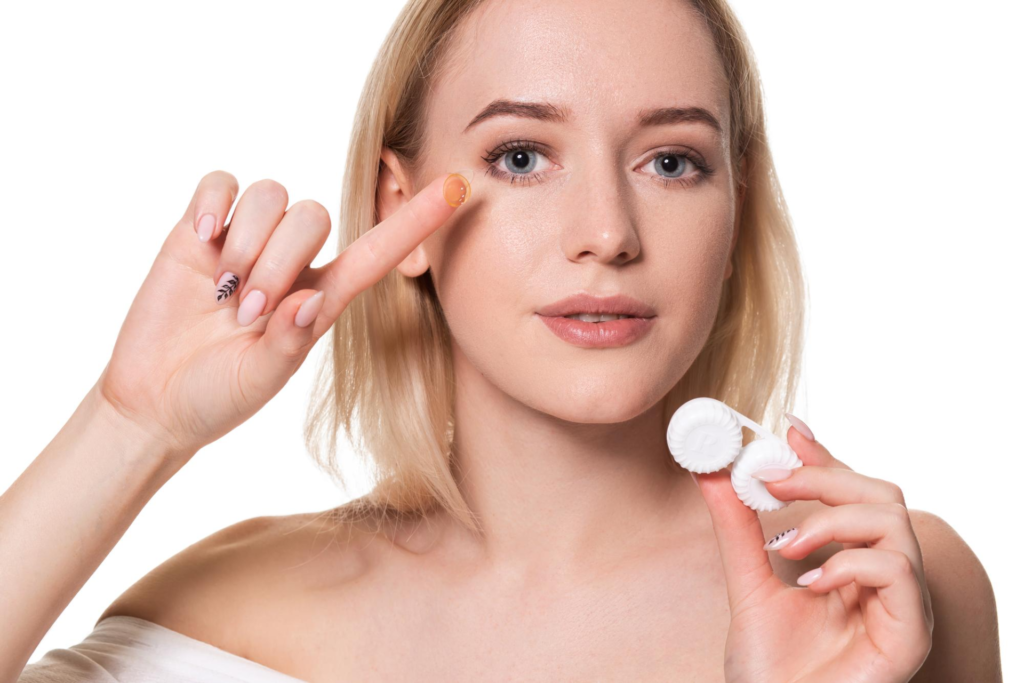
The single most important habit is also the simplest. Wash your hands thoroughly with soap and water, then dry them with a lint-free towel before you touch your lenses or your eyes.
Your hands carry bacteria and debris all day, and anything on your fingers can transfer straight to a lens and onto your eye. A few seconds at the sink is one of the best defenses against irritation and infection, and it quickly becomes second nature.
Stick to Your Wearing and Replacement Schedule
Lenses are designed to be worn and replaced on a specific schedule, whether that is daily, every two weeks or monthly. That timeline is not a suggestion, it is part of what keeps the lens safe to wear.
Over time, lenses build up deposits of protein and other residue that reduce comfort and raise the risk of problems, even if they still feel fine. Daily disposables sidestep this entirely, since you start each day with a fresh, sterile pair. Whatever type you wear, replacing on schedule protects your eyes.
Never Sleep in Lenses You Are Not Meant To
Unless your eye doctor has specifically prescribed lenses designed for overnight wear, take your contacts out before you sleep. Closed eyes reduce the oxygen and moisture reaching the cornea, and sleeping in lenses that are not made for it significantly raises the risk of eye infections.
The same goes for naps. A quick habit of removing your lenses before you rest goes a long way toward keeping your eyes healthy.
Care for Your Lens Case and Solution
If you wear reusable lenses, your case and solution deserve attention too. Always use fresh contact lens solution, and never top off the old solution with new, since that dilutes its disinfecting power.
Rinse your case with solution rather than tap water, let it air dry and replace it every few months. Water is best kept away from lenses altogether, which means avoiding showering, swimming or hot tubs while wearing them unless you use sealed goggles.
Watch for Dryness and Give Your Eyes a Rest
Many wearers notice dryness, especially after long hours at a screen. When we stare at devices we blink far less often, which leaves eyes feeling tired and gritty.
Try to blink fully and often, and follow the simple habit of looking at something far away for a moment every 20 minutes or so during screen time. Lubricating drops made for contact lens wearers can help, and if dryness is persistent, it is worth mentioning to your eye doctor. Keeping lens-friendly rewetting drops on hand makes a real difference, and retailers like EZContacts stock eye-care essentials such as dry eye relief and rewetting drops alongside lenses, so you can restock them together.
Know the Warning Signs
Your eyes are good at telling you when something is wrong, so pay attention. Redness, pain, unusual sensitivity to light, blurred vision or a feeling that something is stuck can all be signs of a problem.
If any of these appear, take your lenses out and leave them out. If the symptoms do not settle quickly, contact your eye care professional. Catching an issue early is almost always simpler than dealing with it later, and no lens is worth risking your sight over.
The Bottom Line
Contact lenses can be a safe, comfortable part of daily life for years, and the habits that make that possible are refreshingly straightforward. Clean hands, a proper wearing schedule, good lens care and regular eye exams cover the vast majority of what matters.
Look after the basics, keep a fresh supply on hand so you never have to cut corners and see your eye doctor regularly. Do that, and your eyes can stay healthy and comfortable while you enjoy everything contacts have to offer.
Other Articles You May Find of Interest...
- Smart Glasses With Prescription Lenses: Fit, Comfort and Everyday Use
- Can Blepharoplasty Improve Peripheral Vision? What Patients Should Know
- What Causes Blood Clots in the Eye?
- Can You Have Laser Eye Surgery With Glaucoma?
- Why Are Contact Lens Users Asked to Stop Wearing Lenses before Laser Eye Surgery Tests?
- What Credentials to Look for When Searching for the Right Eye Doctor in New York
- New Flashes, Floaters, or a Shadow in Your Vision: When to Seek Prompt Eye Care





