






More Vision & Eye Care Articles
How Long Can a Mole Last on Your Skin?
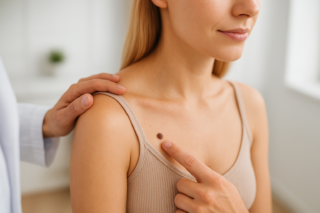
Many people notice moles on their skin and wonder how long does mole last before it starts to change or pose a concern. Some moles appear during childhood or adolescence and remain unchanged for decades, while others might fade or alter in appearance over time. Understanding the lifespan and characteristics of a mole is important for maintaining skin health and knowing when to seek medical advice.
Factors That Affect How Long a Mole Lasts
Moles can vary greatly in terms of their longevity and appearance. Most moles are benign and can last a lifetime without causing any issues. Several factors influence how long a mole stays the same, including genetics, sun exposure, and skin type.
For some, new moles may develop and last only a short period before disappearing. Sun exposure can cause moles to darken or potentially change over time. Regular skin checks are crucial to monitor any changes that might require a professional evaluation.
Identifying Changes in Moles
While many moles remain harmless, it’s important to be aware of any changes. Changes in color, size, shape, or texture can be early signs of skin issues. The ABCDE rule can help you remember what to check: Asymmetry, Border irregularity, Color changes, Diameter larger than a pencil eraser, and Evolving appearance.
If a mole becomes itchy, painful, or starts to bleed, it’s advised to consult a healthcare professional. Regular self-checks and professional evaluations are key strategies to maintain skin health.
When to Seek Care
Anyone noticing significant changes in a mole should consider getting a professional evaluation. Dermatologists specialize in skin conditions and can provide detailed assessments and potential biopsies if needed. If you’re unsure whether a mole’s changes are concerning, a dermatologist can advise whether further examination or monitoring is necessary.
How Long Does Mole Last: Common Misconceptions
There is a misconception that all moles inevitably develop into skin cancer. However, most moles are benign and do not change significantly over many years. Routine health checks and awareness of your skin’s baseline are critical.
Understanding the normal appearance and longevity of your moles helps you notice any unusual changes early. Regularly protecting your skin from excessive sun exposure by using sunscreen can also help manage the appearance of moles.
Real-World Considerations
Monitoring moles is just one part of maintaining overall skin health. Balancing sun protection while ensuring adequate Vitamin D is a consideration many face while managing mole health. Additionally, lifestyle factors such as diet and exercise may indirectly influence skin health.
For those interested in skin health and its impact on weight management, consider exploring related topics like how weight management and exercise can influence skin condition.
Seeking Appropriate Treatment
Not all moles require treatment. However, if a mole is causing concern, options such as mole removal or biopsy might be considered. It’s essential to discuss with a healthcare provider like a dermatologist about the appropriate course of action.
For anyone considering the removal of a mole due to cosmetic reasons or concerns about skin health, professional guidance ensures that any procedures are done safely and effectively.
Takeaways
- Moles can last a lifetime and often pose no risk.
- Sun exposure and genetics can influence changes in moles.
- Watch for significant changes in color, size, or texture.
- Consult a dermatologist if changes occur.
- Protecting your skin can help maintain its health.
Common Questions
What type of provider should I see for mole assessment?
Dermatologists are skin specialists who can provide comprehensive evaluations and treatment options for any mole concerns.
When should I get a mole checked?
If you observe changes in a mole’s appearance, sensation, or if it starts to bleed, consult with a dermatologist for an assessment.
What are common causes for moles to change?
Mole changes can result from sun exposure, hormonal shifts, or genetic factors. Regular skin monitoring helps identify such changes early.
How can I prevent mole changes?
Maintaining regular sun protection, avoiding tanning beds, and performing regular skin self-checks can aid in preventing potential changes in moles.
Where can I learn more about skin health?
For additional health topics and information, visit this reliable resource for more learning materials.
Other Articles You May Find of Interest...
- Smart Glasses With Prescription Lenses: Fit, Comfort and Everyday Use
- Can Blepharoplasty Improve Peripheral Vision? What Patients Should Know
- What Causes Blood Clots in the Eye?
- Can You Have Laser Eye Surgery With Glaucoma?
- Why Are Contact Lens Users Asked to Stop Wearing Lenses before Laser Eye Surgery Tests?
- What Credentials to Look for When Searching for the Right Eye Doctor in New York
- New Flashes, Floaters, or a Shadow in Your Vision: When to Seek Prompt Eye Care





