






More Urology Articles
Infected Urachal Cyst: Symptoms, Treatment, and Complications
By Your Health Magazine Health Information Team
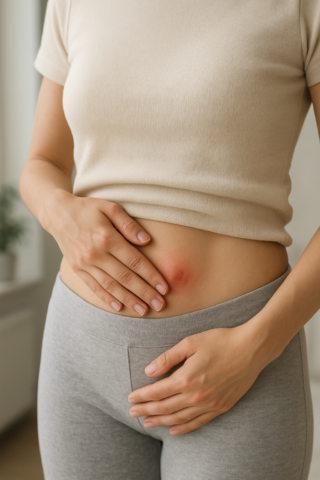
A sore spot below the belly button may seem like a pulled muscle, urinary tract infection, or minor skin problem. But when the pain is accompanied by fever, swelling, or cloudy drainage from the navel, a less familiar condition may be responsible: a urachal cyst infection. Although uncommon, an infected urachal cyst can become painful and may require antibiotics, drainage, and sometimes surgery.
What Is a Urachal Cyst?
Before birth, a structure called the urachus connects the developing bladder to the umbilical cord. It normally closes as fetal development progresses and eventually becomes a band of tissue running between the bladder and belly button.
If the urachus does not close completely, a portion may remain. When both ends close but an open space remains in the middle, that space is called a urachal cyst. The cyst usually lies deep inside the abdomen, along the midline between the navel and the top of the bladder.
Many urachal cysts cause no symptoms and may go unnoticed for years. Problems most often develop when bacteria enter the cyst and cause inflammation, pus, or an abscess. Urachal abnormalities are congenital, meaning they are present from birth, but an infection may first appear during childhood, adolescence, or adulthood.
Symptoms of a Urachal Cyst Infection
Symptoms vary according to the cyst’s size, location, and whether the infection has spread. Because the cyst sits between the bladder and navel, discomfort often develops in the center of the lower abdomen.
Possible symptoms include:
- Pain or tenderness below or around the belly button
- A firm, tender lump in the lower abdomen
- Redness, warmth, or swelling near the navel
- Cloudy, bloody, or foul-smelling drainage from the belly button
- Fever or chills
- Nausea, vomiting, or reduced appetite
- Pain or burning during urination
- Difficulty urinating or a frequent urge to urinate
- A general feeling of weakness or illness
The pain may interfere with walking, bending, exercising, sleeping, or wearing clothing that presses against the abdomen. Children may appear irritable, avoid normal activities, or complain vaguely that their stomach hurts.
These symptoms are not specific to a urachal cyst infection. Appendicitis, a urinary tract infection, an umbilical skin infection, and other abdominal conditions can cause similar problems. A medical examination is necessary to identify the source.
How Does the Cyst Become Infected?
A urachal cyst is a closed pocket where fluid and cellular material may collect. This environment can allow bacteria to multiply. Infection may develop without an obvious trigger, although nearby skin, urinary, or abdominal bacteria may be involved.
A urachal cyst is different from a cyst located on the external genitals. Readers concerned about a skin-level penile lump can review this overview of cysts on the penis and their treatment options. The location, possible causes, and recommended evaluation are not the same.
How Doctors Diagnose an Infected Urachal Cyst
A clinician will ask when the symptoms began and whether there has been fever, urinary discomfort, abdominal swelling, or drainage from the belly button. The examination may include checking the abdomen and navel for tenderness, redness, a mass, or an opening that drains fluid.
Diagnostic testing may include:
- Blood tests to look for signs of infection or inflammation
- Urine testing to check for a urinary tract infection
- A culture of drainage or fluid to identify bacteria
- Ultrasound to examine the area between the bladder and navel
- CT or MRI imaging to define the cyst and assess surrounding tissues
Imaging can help determine whether an abscess has formed, whether the cyst has ruptured, and how closely it is related to the bladder. It also helps clinicians distinguish a urachal problem from other causes of abdominal pain or an umbilical mass.
Treatment Options
Controlling the Infection
Antibiotics are commonly used to treat the bacterial infection. The specific medicine is selected by the treating clinician based on factors such as illness severity, test results, allergies, and whether hospital care is needed. A person with significant fever, spreading infection, vomiting, dehydration, or signs of sepsis may require intravenous treatment and monitoring.
Draining an Abscess
If the cyst contains a substantial collection of pus, antibiotics alone may not be enough. A radiologist or surgeon may drain the infected fluid through a needle or catheter, sometimes using ultrasound or CT imaging for guidance. Drainage can reduce pressure and help control the acute infection, but it may not eliminate the remaining urachal tissue.
Surgical Removal
For symptomatic or repeatedly infected urachal remnants, a surgeon may recommend removing the cyst and associated tract. Surgery may be performed through an open incision or with minimally invasive techniques, depending on the person’s anatomy, age, infection severity, and available expertise.
In some cases, surgeons remove the cyst during the initial treatment. In others, infection and inflammation are treated first with antibiotics and drainage, followed by planned surgery after the area has settled. The best approach is individualized. Some urachal abnormalities in children without symptoms may be observed rather than removed immediately, but an actively infected cyst requires medical evaluation.
Possible Complications
Without appropriate treatment, a urachal cyst infection may progress beyond localized pain. Potential complications include:
- Formation or enlargement of an abdominal abscess
- Spread of infection into surrounding skin or deeper tissues
- Rupture of the cyst into the abdominal cavity
- Inflammation of the abdominal lining
- An abnormal connection to the bladder, navel, or nearby tissues
- Recurrent infections after symptoms temporarily improve
- Sepsis, a dangerous body-wide response to infection
Urachal cancer is rare and is primarily an adult condition involving persistent urachal tissue. An infection does not mean that a person has cancer or that the cyst will become cancerous. However, an unexplained urachal mass in an adult may require careful imaging, surgical assessment, and laboratory examination of removed tissue.
When to Seek Care
Contact a primary care clinician, pediatrician, or urgent care provider promptly for new lower midline abdominal pain, a tender lump, persistent navel drainage, urinary symptoms, or redness around the belly button. Evaluation by a urologist, pediatric surgeon, or general surgeon may be appropriate if a urachal abnormality is suspected.
Seek emergency care for severe or rapidly worsening abdominal pain, a rigid or markedly swollen abdomen, repeated vomiting, high fever, confusion, fainting, difficulty breathing, very little urine, or other signs of serious illness. These symptoms may indicate a spreading infection or another urgent abdominal condition.
What to Expect After Treatment
Recovery depends on the severity of the infection and whether drainage or surgery is needed. Follow-up may include checking the incision or drainage site, reviewing culture results, and repeating imaging when clinically appropriate. Keeping follow-up appointments is important even if pain and fever improve, because the underlying remnant may still need assessment.
General information about infections, diagnostic testing, and other medical subjects is also available through the MedlinePlus health topics library. An infected urachal cyst is unusual, but timely recognition and treatment can control the infection, relieve symptoms, and reduce the chance of recurrence or more serious complications.
Other Articles You May Find of Interest...
- Recurrent UTIs
- Back Pain or Kidney Pain? Location and Symptoms That Help Tell
- When a Suprapubic Catheter Is Recommended
- Bladder Augmentation Surgery: Reconstructing Function When Nothing Else Works
- Infected Urachal Cyst: Symptoms, Treatment, and Complications
- Lithotripsy: Breaking Stones Without a Scalpel
- Recovering From Kidney Stone Surgery, Week by Week





