Your Health Magazine Contributor
4201 Northview Drive
Suite 102
Bowie, MD 20716
More Supplements Articles
Full Spectrum vs. Broad Spectrum vs. Isolate CBD Oil: The Difference
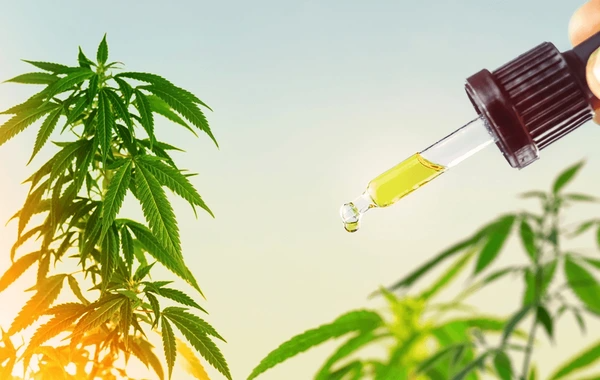
Shoppers comparing CBD oils online quickly run into three labels that sound alike yet mean very different things. One bottle says full spectrum, the next says broad spectrum, a third says isolate, while all three list the same milligram strength on the front.
That confusion matters more in Australia than many buyers realise. A person who drives daily, works in a tested industry, or simply prefers to avoid THC needs to know exactly what sits behind each label before choosing a bottle.
Full spectrum CBD oil contains cannabidiol alongside other hemp compounds, potentially including THC. Broad-spectrum formulations are processed to reduce or remove THC, while isolate contains highly purified cannabidiol. These labels describe differences in composition, not whether a product is legally approved, suitable for an individual, or safe to use without medical guidance.
The Core Difference Comes Down to What Stays In
All three types start as the same hemp extract. The difference lies in how much of the plant’s natural chemistry survives refining.
Full spectrum extract keeps cannabidiol alongside minor cannabinoids, terpenes, flavonoids, and trace THC. Broad spectrum goes through an extra step that removes THC while keeping most other compounds. Isolate is refined until nearly pure cannabidiol remains, usually as a white crystalline powder blended into a carrier oil.
CBD itself is not generally intoxicating, but products containing THC may cause impairment depending on the amount consumed. The practical differences between formulations include taste, cannabinoid composition, potential drug interactions, and testing considerations.
Full Spectrum CBD Oil at a Glance
Full spectrum oils sit closest to the original hemp plant.
- Contents: Cannabidiol plus minor cannabinoids, terpenes, flavonoids, trace THC.
- Taste: Earthy, grassy, sometimes nutty.
- Colour: Golden to amber.
- Main appeal: The broadest range of plant compounds in one bottle.
- Main consideration: Trace THC, which matters for anyone facing roadside or workplace testing.
Many people choose full spectrum because it keeps the extract as close to the plant as possible. The trace THC, while small, remains the deciding factor for some buyers.
Broad Spectrum CBD Oil at a Glance
Broad spectrum oil sits in the middle ground between the other two types. Producers remove THC after extraction, keeping most of the remaining compounds intact.
This gives buyers many of the plant compounds found in full spectrum without the trace THC. The taste tends to stay earthy, though often slightly milder. Broad spectrum suits people who want more than cannabidiol alone yet prefer to avoid THC altogether.
CBD Isolate at a Glance
Isolate offers the simplest formula of the three, containing cannabidiol with almost nothing else. The refining process strips away other cannabinoids, terpenes, and plant flavours, leaving an oil that tastes mostly of its carrier.
People who dislike earthy flavours, or who want the most predictable single-compound product, often lean toward isolate. The trade-off is the absence of the other hemp compounds found in the broader extracts.
Head-to-Head: Seven Points of Difference
Comparing the three types across specific factors makes the choice far clearer.
Plant Compounds and the Entourage Effect
The entourage effect describes the idea that hemp compounds may work better together than alone. Research in this area remains early, though some findings are notable. In observational data on treatment-resistant epilepsy, patients treated with CBD-rich extracts reported a lower average dose (6.0 mg/kg/day) than those using purified CBD (25.3 mg/kg/day). Those results come from a specific clinical population, which means they do not prove the same pattern for everyday wellness use.
Full spectrum offers the widest range of compounds, broad spectrum follows closely, while isolate offers none of these extras.
Taste and Colour
Full spectrum carries the strongest earthy flavour along with the darkest colour. Broad spectrum usually tastes a little milder, while isolate is close to flavourless. Buyers sensitive to taste often find isolate or a flavoured broad spectrum oil easier to take daily.
THC Content
THC content separates the three types more clearly than any other factor. Full spectrum contains trace THC, broad spectrum aims for none, and isolate contains none.
Australian regulators set strict limits for pharmacy-supplied low-dose products. Under the Schedule 3 entry, cannabidiol comprises 98% or more of the total cannabinoid content of the preparation, a profile closer to isolate or broad spectrum than to full spectrum.
Dosing Consistency
Isolate offers the most predictable single-compound dosing, since cannabidiol is the only active ingredient. Full spectrum and broad spectrum oils vary slightly between harvests in their minor compounds. Batch lab reports help buyers confirm the profile of the specific bottle in hand.
Roadside Testing and Driving
Australian roadside drug tests look for THC, not cannabidiol. Research led by the University of Sydney found that cannabis containing mainly CBD did not impair driving, while cannabis containing THC, or a THC/CBD mixture, caused mild impairment.
The same research group has noted that full spectrum extracts containing small, more than trace, amounts of THC have the potential to produce a positive roadside test, though some research suggests this is unlikely. In Australia, driving with any trace of THC is an offence. Products labeled broad spectrum or isolate may reduce the likelihood of THC exposure, but labeling alone cannot guarantee that a product contains no detectable THC. Drivers should check applicable state or territory laws and obtain medical guidance about any CBD or medicinal cannabis product they use.
Price and Value
Prices vary more by brand than by spectrum type. Isolate is sometimes cheaper to produce, while full spectrum and broad spectrum often cost a little more because of the extra care needed to preserve plant compounds. Comparing cost per milligram gives the fairest view of value.
Who Each Type Suits
Full spectrum suits people who want the broadest plant profile and are comfortable with trace THC. Broad spectrum suits those who want plant compounds without THC. Isolate suits buyers seeking simplicity, minimal flavour, a single compound.
When comparing different formulations, patients should review the cannabinoid concentrations, independent laboratory testing, and applicable regulatory status. A qualified healthcare professional can help determine whether a particular formulation is appropriate.
Full Spectrum vs Broad Spectrum vs Isolate: Side by Side
| Factor | Full Spectrum | Broad Spectrum | Isolate |
| Cannabidiol | Yes | Yes | Yes |
| Minor cannabinoids | Yes | Most | No |
| Terpenes | Yes | Most | No |
| THC | Trace | None intended | None |
| Taste | Earthy | Milder earthy | Near flavourless |
| Entourage potential | Highest | High | None |
| Roadside test concern | Possible | Low | Lowest |
| Best suited to | Whole-plant preference | THC-free with plant compounds | Simplicity, taste |
Which Type Is Better for Different Situations?
Real-life priorities point toward a clear choice in most cases.
- People who drive regularly: Discuss THC exposure, possible impairment, and applicable driving laws with a healthcare professional. Do not assume that a broad-spectrum or isolate label guarantees zero THC.
- People wanting the most plant compounds: Full spectrum.
- Workers in tested industries: Isolate, for the cleanest THC profile.
- Taste-sensitive buyers: Isolate, sometimes a flavoured broad spectrum oil.
- Balance of plant compounds without THC: Broad spectrum.
Matching the type to daily life matters more than choosing the type with the most compounds. Anyone managing a specific health concern should speak with a qualified practitioner before choosing.
The Verdict: Which Spectrum Wins?
No single CBD formulation is appropriate for everyone. Full spectrum, broad spectrum, and isolate differ in their cannabinoid composition and processing. The choice should depend on clinical needs, product quality, THC exposure, and applicable legal requirements rather than assumptions that one formulation is universally superior.
Does Full Spectrum CBD Oil Cause Intoxication?
CBD itself is generally considered non-intoxicating, but full-spectrum products may contain THC. Depending on the amount consumed and the product’s composition, THC exposure may cause impairment or result in a positive drug test. Patients should not assume that a product described as hemp-derived is automatically free from these risks.
Can CBD Isolate Show Up on a Roadside Drug Test?
Unlikely. Australian roadside tests screen for THC, not cannabidiol. A properly made isolate contains no THC, which makes a positive result improbable. Checking the batch lab report confirms the THC content before driving.
Choosing the Right Spectrum
Full spectrum, broad spectrum, and isolate all deliver cannabidiol, though each carries a different mix of companion compounds. Full spectrum keeps the most, broad spectrum keeps most without THC, and isolate keeps only cannabidiol. Lifestyle, driving habits, and taste preferences usually decide the right fit. Choosing a full spectrum CBD oil or a THC-free alternative becomes simple once those priorities are clear.
Before using a CBD product, patients should verify its regulatory status, review its cannabinoid content and laboratory documentation, and discuss potential medication interactions with a qualified healthcare professional. Product quality, appropriate medical supervision, and compliance with Australian regulations are more important than marketing descriptions or promotional offers.
Compare the full spectrum and broad spectrum oils at purebotanicalco.com, then choose the profile that suits daily life.
Other Articles You May Find of Interest...
- Full Spectrum vs. Broad Spectrum vs. Isolate CBD Oil: The Difference
- Stress and Distraction Can Put Extra Pressure on Everyday Mental Balance
- NMN in 2026: What Human Trials Show About NAD+ and Aging
- How Liposomal Glutathione Can Support Active Lifestyles
- 5 Things to Know About Organic Beef Organ Supplements and Their Nutritional Value
- Fiber Supplements for Anal Fissures: Options and Precautions
- Herbal Products and Urinary Tract Health: What to Know About Detoxification Claims