






Your Health Magazine Contributor
4201 Northview Drive
Suite 102
Bowie, MD 20716
More Sleep Articles
How to Sleep Better During Stressful Times
Why Stress Disrupts Sleep (and Why It’s Hard to Break the Cycle)
A simple fact of life is that people experience stress in different forms every day. This can come from circumstances such as pressure at work, strained finances, or worrying about one’s family. It can also be a result of health-related issues or being prone to anxiety.
Stress can create enough mental and physical discomfort to make it difficult to relax and may interfere with sleep.
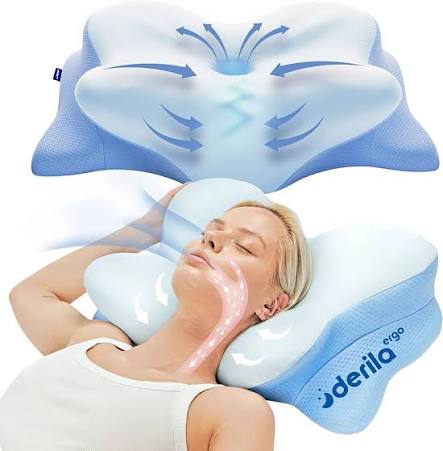
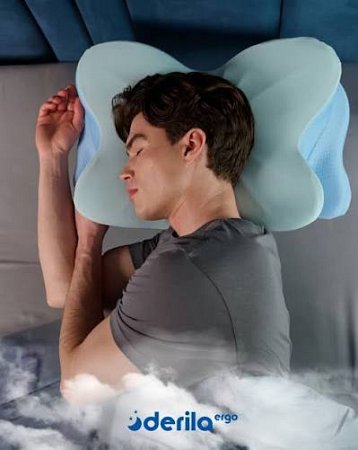
An ergonomically designed pillow may help support a comfortable sleeping position by providing support for the head and neck. The Derila Ergo Pillow is one example of a contoured memory-foam pillow designed for this purpose.
Building a Sleep-Friendly Environment: Where to Start
There is no solution that can erase the root cause of every issue that is putting a person under stress. However, adopting healthy sleep practices and creating a comfortable sleep environment can be useful first steps toward improving sleep.
Some practices that may be helpful when stress levels are high include:
Temperature
Make sure that the temperature of the room you are sleeping in is balanced. If it is too hot or cold then the body has difficulty relaxing and sleep can get disrupted.
Light
Switching to warm toned lights and keeping them dim for at least an hour before going to bed can have a soothing impact and prepare the body for bedtime. When preparing to sleep, minimize exposure to light. This can either be done by switching lights off completely or leaving a soft, warm night light on and wearing a sleep mask.
Noise
There are a few different ways to manage noise and its stimulating effect. Earplugs can be used to block out sounds entirely. If ambient sounds are more soothing to an individual then brown noise or sounds like ocean waves can be played. Another option can be a fan or even a sound machine. Such sounds in the background can contribute to de-stressing before going to bed.
Digital Boundaries
Using screens at night can leave the mind too stimulated for restful sleep. To counter this it is recommended that all digital screens, phones, computers and even television, are set aside or switched off at least half an hour before going to bed.
Sleep Ritual Consistency
Consistency can be an important part of a healthy sleep routine. Frequently changing bedtime habits or using screens close to bedtime may make it more difficult to establish consistent cues for sleep.
On the other hand, having a consistent routine allows the mind and body to become attuned to these rituals over time. Dimming of lights and adjustment of the room’s temperature start becoming indicators to subconsciously prepare for sleep.

How Pillow Design May Affect Sleep Comfort
Design Features That May Support Sleep Comfort
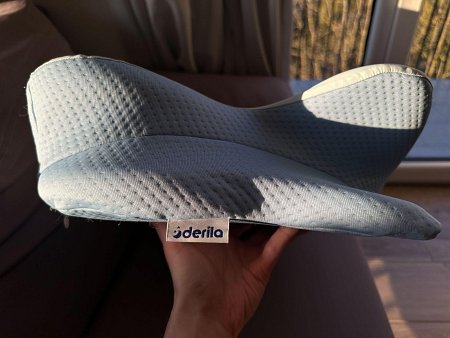
Pillow design can also affect comfort during sleep. Features such as contoured areas for the head, neck, shoulders, and arms are intended to support different sleeping positions.
Central Core & Support Wings
The pillow uses a contoured central area intended to cradle the head, surrounded by raised support areas for the neck. According to the product specifications, these areas rise to a maximum height of 4.72 inches.
Arm Support Area & Shoulder Arch Release
The design also includes contoured areas intended to provide space for the arms and shoulders while sleeping.
High-Density Memory Foam
The pillow is made with memory foam , a material commonly used in pillows because it conforms under pressure and returns toward its original shape afterward.
Wind-Down Techniques to Support a Bedtime Routine
If stress levels feel high, incorporating calming practices before bedtime may be helpful. These practices can include:
Breathing Exercises
A simple breathing practice designed to encourage relaxation and mental clarity. Slow, controlled breaths can help quiet a busy mind and create a greater sense of ease throughout the day.
Journaling
Writing in a journal can allow one to process their experiences and feel emotionally lighter. It may also help organize thoughts, reflect on emotions, and gain a greater sense of clarity and perspective.
Neck and Shoulder Stretches
Stretching the neck and shoulders can physically relax the body. Taking a few moments to gently stretch these areas may promote a greater sense of comfort, improve mobility, and help ease the physical strain that can accumulate throughout the day.
Yoga
Yoga may be a useful relaxation practice for some people. By combining gentle movement, controlled breathing, and mindfulness, yoga may help promote relaxation, reduce feelings of tension, and encourage a greater sense of balance and well-being.
FAQs
Can an ergonomic pillow help create a more comfortable sleep environment?
While a pillow cannot eliminate stress or treat sleep problems, an ergonomically shaped pillow may provide additional head and neck support and contribute to a comfortable sleep setup.
What features are commonly found in contoured ergonomic pillows?
Contoured ergonomic pillows may include recessed areas for the head, raised areas for neck support, and additional contours intended to accommodate the shoulders and arms. Memory foam is also commonly used because it conforms under pressure.
Do contoured pillows work for every sleeping position?
Suitability varies by pillow design and individual preference. People who sleep on their side, back, stomach, or in multiple positions may require different pillow heights and levels of support.
What wind-down practices may support a healthy bedtime routine?
Deep breathing, gentle neck and shoulder stretches, journaling, and limiting screen use before bed may help some people wind down. Maintaining a consistent routine may also make it easier to establish regular sleep habits.
Conclusion
While it may not be possible to eliminate stress entirely, adopting healthy habits and establishing a consistent sleep routine may help support overall well-being. Factors such as sleep environment, comfort, and bedtime practices can all play a role in helping individuals unwind at the end of the day.
Pillow design and materials can influence comfort, but individual preferences and sleep needs vary. A comfortable pillow can be one part of a broader sleep environment that also includes appropriate lighting, temperature, noise control, and consistent bedtime habits.
Disclaimer: The information provided in this article is for general informational purposes only and should not be considered medical advice. The content is not intended to diagnose, treat, cure, mitigate, or prevent any disease, medical condition, sleep disorder, or health issue. Individual experiences may vary. If you have concerns about your health, sleep quality, pain, stress levels, or any medical condition, please consult a qualified healthcare professional. The Derila Ergo Pillow is a comfort and support product and is not a medical device.
Other Articles You May Find of Interest...
- How to Work a Graveyard Shift Without Wrecking Your Sleep
- The 15-Minute Rule: How Long to Lie on a Mattress Before Deciding
- Why Is It So Hard To Get Out Of Bed? What Sleep Science Says
- Why Sleep Consistency Matters More Than Chasing the Perfect Night’s Sleep
- How Quality Bedding Can Help You Sleep Better
- What Does It Mean When Someone Dreams of You?
- How to Choose a Sleep Mask That Feels Comfortable Night After Night




