Your Health Magazine Contributor
4201 Northview Drive
Suite 102
Bowie, MD 20716
More Public Health Articles
How Does Living Near Natural Habitats Increase Your Risk Of Wildlife Intrusions?
Living near natural habitats gives you access to green spaces, but it can also bring wildlife closer to your home. Trees, open land, drainage areas, and dense vegetation provide animals with food, shelter, and routes between different locations.
However, living near natural habitats does not guarantee wildlife intrusions. Problems are more likely when food sources attract animals and structural openings allow them inside. Recognizing these conditions can help you identify potential risks before they cause damage.
To understand the connection better, let’s explore five ways nearby natural habitats can increase the risk of wildlife intrusion
1. Nearby Habitats Increase Wildlife Intrusion Risks
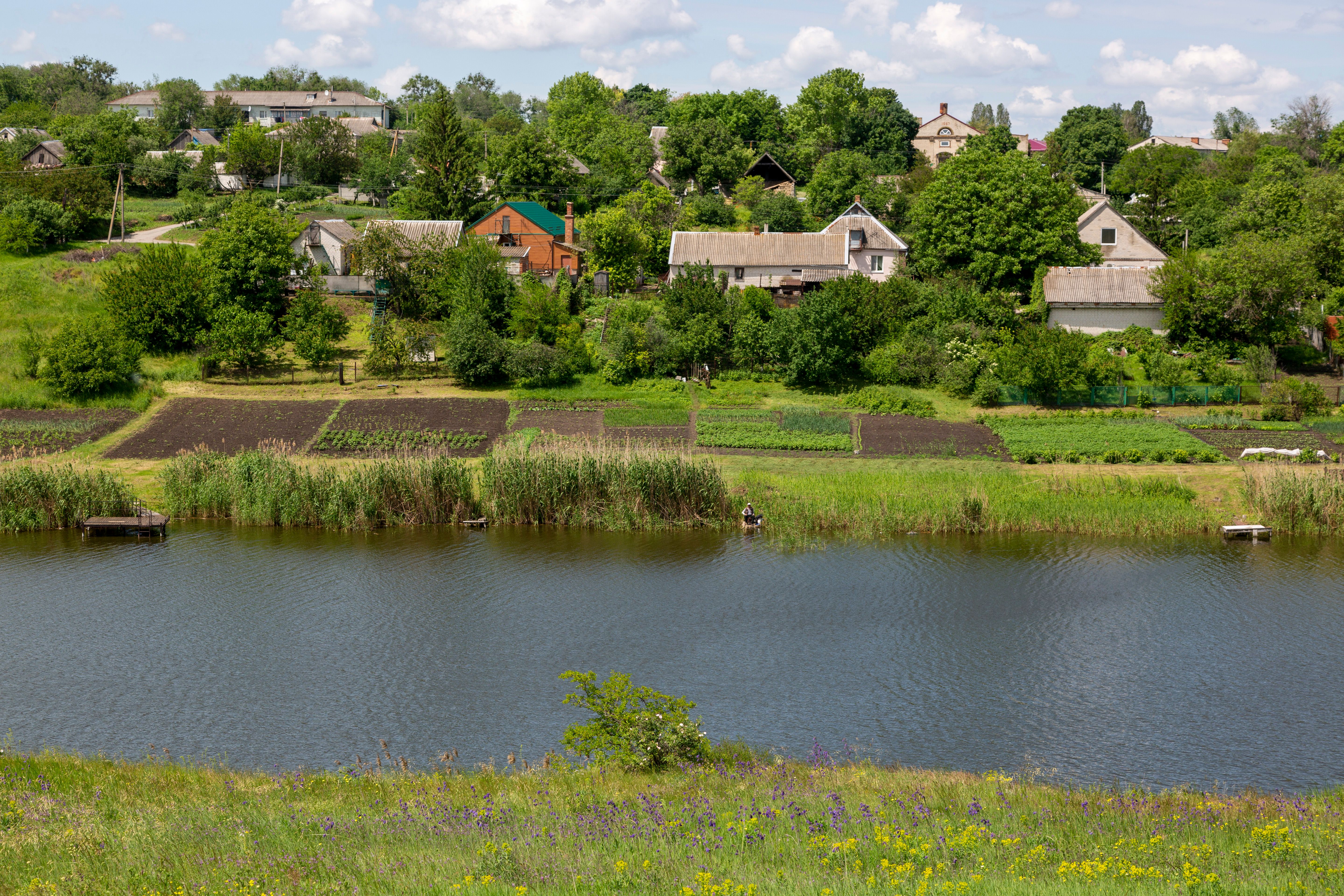
When your home borders forests, canyons, or open land, wildlife can move directly from these habitats into residential areas. Animals searching for food or shelter may enter yards and eventually investigate nearby structures. If they find an accessible opening, they may enter attics, crawl spaces, or other protected areas.
This risk increases when animals repeatedly visit the same property and discover reliable shelters. Once inside, they may build nests, damage insulation, or leave droppings. Depending on the species, contact with wildlife or its waste can also expose people to germs or parasites. Therefore, identifying the animal and assessing the entry points are important first steps.
Professional wildlife removal services near you can help identify the species and determine an appropriate removal method. For example, homeowners seeking wildlife removal in Escondido may encounter local services familiar with wildlife activity and exclusion methods intended to help prevent animals from returning.
2. Food and Water Attract Wildlife to Residential Areas
Natural habitats provide wildlife with food, water, and shelter. However, residential yards can offer additional, easily accessible resources. Fruit trees, vegetable gardens, bird feeders, unsecured trash cans, pet food, and compost may attract nearby animals.
Besides food, accessible water sources can also attract wildlife to residential properties. Leaking outdoor faucets, irrigation systems, and water bowls left outside may encourage animals to return. Dense vegetation can also provide cover, allowing wildlife to move around your yard without being easily noticed.
When natural habitats and residential properties offer similar resources, animals may begin visiting your yard more frequently. These repeated visits can increase the chances of wildlife discovering sheltered spaces around your home.
3. Gaps and Sheltered Spaces Offer Wildlife Refuge
Homes near natural habitats can offer wildlife additional places to escape harsh weather and predators. Attics, crawl spaces, sheds, and areas beneath decks may provide dry, quiet spaces where animals can rest or build nests.
If an animal finds a suitable shelter near a reliable food source, it may return to the same location. Over time, repeated activity can lead to nesting, damaged insulation, and contamination from droppings or urine.
These sheltered spaces become more attractive when they remain undisturbed for long periods. As a result, wildlife may settle inside a structure before you notice any signs of activity.
4. Small Openings Allow Wildlife to Enter
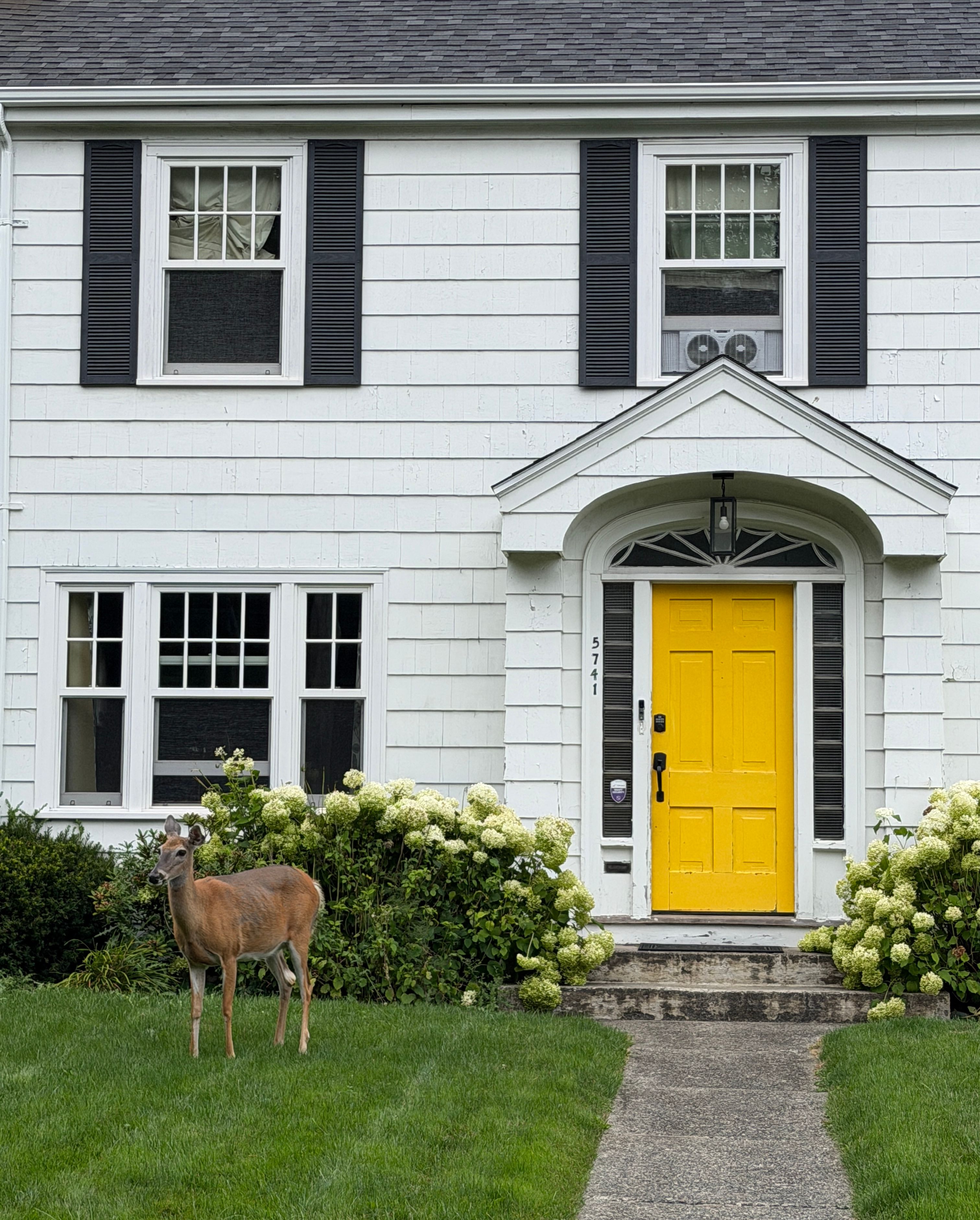
Even a small opening in your home’s exterior can provide wildlife with access to indoor spaces. Rodents can squeeze through narrow gaps, while larger animals may exploit weakened sections of a structure to create an entry point.
Once inside, animals may move through wall cavities or settle in attics and crawl spaces. Their activity can damage insulation, electrical wiring, and other building materials. Droppings, nesting materials, and unpleasant odors may also indicate that wildlife has occupied these spaces.
However, the area where you notice activity may not be where the animal entered. For example, scratching sounds in the attic could be linked to an opening elsewhere along the roofline. Identifying the actual entry route is essential because removing an animal without addressing that opening may allow another intrusion.
5. Seasonal Habitat Changes Push Wildlife Toward Homes
Wildlife activity can change throughout the year as weather conditions and natural resources shift. During dry periods, some animals may travel farther in search of water. Seasonal changes in food availability can also encourage them to explore residential areas near their natural habitats.
Breeding and nesting periods may create additional pressure to find protected spaces. For example, raccoons or opossums may investigate attics, sheds, or areas beneath decks when searching for a suitable shelter for their young.
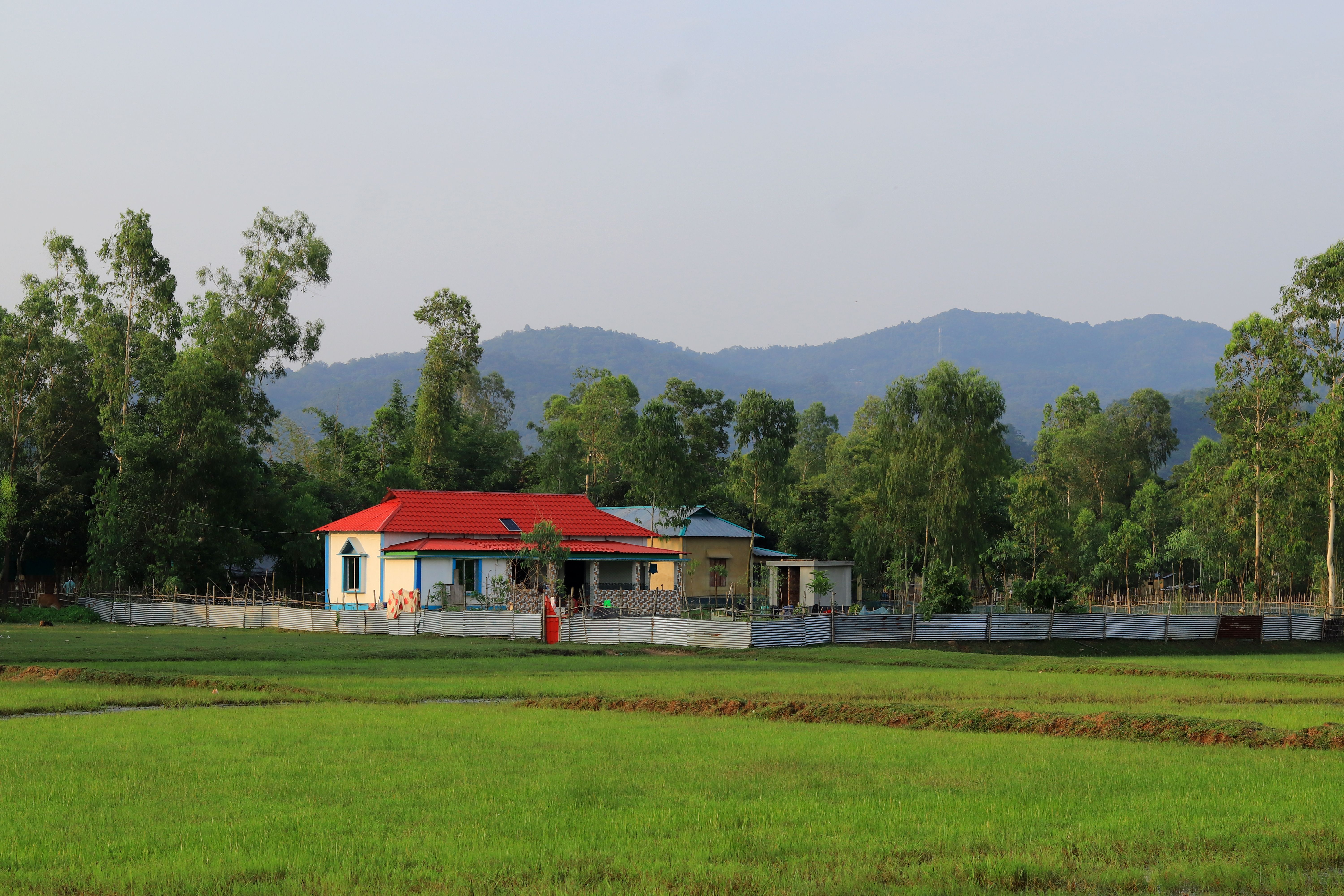
In areas where residential neighborhoods border canyons and open spaces, these seasonal movements may bring wildlife closer to homes. If animals find accessible food, water, or shelter, they may remain on the property rather than simply pass through.
Consequently, homeowners near natural habitats may experience changes in wildlife activity throughout the year, making early signs of intrusion important to recognize.
Conclusion
Living near natural habitats gives you access to green spaces, but it can also bring wildlife closer to your home. Trees, open land, drainage areas, and dense vegetation provide animals with food, shelter, and routes between different locations.
However, living near natural habitats does not guarantee wildlife intrusions. Problems are more likely when food sources attract animals and structural openings allow them inside. Wildlife that enters a home can also create health and safety concerns through bites, scratches, droppings, urine, parasites, or contamination of living spaces.
If wildlife enters your home, identifying the species, locating its entry point, and addressing the conditions that attracted it are essential. Proper removal and exclusion can help reduce the likelihood of repeated intrusions.
Other Articles You May Find of Interest...
- How Does Living Near Natural Habitats Increase Your Risk Of Wildlife Intrusions?
- Ants in the Kitchen Again? What Their Return Means for Food Safety
- How Education and Professional Development Are Shaping the Future of Public Health Leadership
- What to Know About Healthcare Access When Moving to Chicago
- Why Medical Monitoring Matters After a Major Disaster
- What Public Health Work Actually Involves: Beyond the Headlines
- Why Student Wellness Is Becoming a Public Health Priority