Luxe Rehab Physical Therapy
Luxe Rehab Physical Therapy
19465 Deerfield Avenue
Suite #208
Leesburg, VA 20176
571-580-0220
More Physical Therapy Articles
Beyond the Core: How Pelvic Floor Physical Therapy Restores Health and Vitality
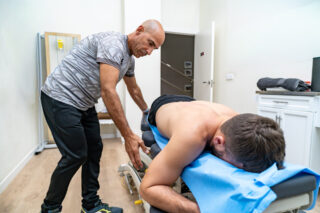
Pelvic floor physical therapy (PFPT) is a specialized form of rehabilitation focused on evaluating and treating dysfunction in the muscles, connective tissues, and nerves of the pelvis. While core strength is often associated with the abdominal muscles and lower back, the pelvic floor plays an essential role in stability, bladder and bowel control, and overall movement.
Pelvic health physical therapists provide discreet, compassionate, evidence-based care. PFPT offers a targeted, non-surgical approach designed to address the underlying causes of symptoms and improve long-term function.
Understanding the Pelvic Floor
The pelvic floor is a hammock-shaped network of muscles and connective tissues extending from the pubic bone to the tailbone. These muscles perform several important functions, including supporting the bladder, bowel, and uterus; maintaining urinary and fecal continence; stabilizing the core; assisting circulation; and supporting sexual function.
When pelvic floor muscles become too weak or excessively tight, symptoms such as pain, urinary problems, or difficulty with normal movement may develop.
Who Can Benefit?
Pelvic floor dysfunction can affect people of different ages and genders. Therapy may help address:
Incontinence: Treatment can improve stress incontinence, such as leakage with coughing, laughing, or exercise, as well as urinary urgency.
Pregnancy and Postpartum Recovery: Therapy may address diastasis recti, perineal injuries, C-section scar restrictions, and help patients safely return to exercise.
Pelvic Organ Prolapse: Strengthening and coordination exercises can provide conservative support for pelvic organs.
Pelvic and Sexual Pain: Specialized techniques may help manage chronic pelvic pain, endometriosis discomfort, interstitial cystitis, vaginismus, vulvodynia, and painful intercourse.
Musculoskeletal Problems: Pelvic muscle imbalances contribute to persistent lower back or hip discomfort.
Men’s Pelvic Health: Therapy can help manage concerns such as post-prostatectomy incontinence and non-bacterial prostatitis.
What To Expect During Therapy
Care typically begins with a comprehensive evaluation by a physical therapist with specialized pelvic health training. The therapist may assess posture, hip mobility, breathing patterns, muscle coordination, and other factors contributing to symptoms.
Treatment is individualized and may include neuromuscular re-education to improve muscle contraction and relaxation, manual therapy to reduce muscle tension and scar restrictions, and diaphragmatic breathing to coordinate pelvic movement and regulate pressure within the abdomen.
Targeted exercises may also be introduced gradually to incorporate pelvic stability into everyday activities such as lifting, squatting, walking, and running.
By addressing the underlying causes of pelvic floor dysfunction, pelvic floor physical therapy can provide practical strategies for improving strength, comfort, mobility, and quality of life.
Other Articles You May Find of Interest...
- A Better Truth About Bunions
- Beyond the Core: How Pelvic Floor Physical Therapy Restores Health and Vitality
- What You Need to Know About Modern Physical Therapy Care
- Tips For How To Stay Young
- Sitting All Day? Small Changes That Actually Help
- Beyond the Exercise Sheet: What to Expect from Modern Physical Therapy
- Shockwave Therapy