






More Parenting and Family Health Articles
How to Build a Kids’ Activity Drawer for School, Sports, and Weekends

Start With the Week, Not the Shopping Cart
A useful kids’ activity drawer starts with the calendar. Before buying another top, another pair of leggings, or another backup layer, it helps to look at what a child actually does from Monday to Sunday. School mornings ask for comfort through sitting, recess, lunch, and the ride home. Sports practice asks for stretch, sweat control, and a fit that does not need fixing between drills. Weekend errands ask for pieces that still look presentable after a playground stop. Pool days, camp days, and sunny walks add their own needs. A drawer built around those repeated situations will work harder than a drawer built around vague ideas of activewear.
The drawer becomes less of a storage space and more of a small operating system for school, sports, and weekends. It gives parents a grounded way to decide what active kids wear to move well through school, sports, and weekends.
The School-Day Row
The first row of the drawer should cover the ordinary school day. These are not necessarily the most technical pieces in the wardrobe, but they need to handle the widest range of positions. Children sit cross-legged, bend over backpacks, run at recess, line up outside, spill water, and come home with mysterious smudges on the knees. A school-day bottom should have a waistband that stays comfortable when sitting and secure when running. A school-day top should breathe enough that the child is not damp before afternoon pickup. A light layer should be easy to take on and off without requiring help from an adult.
For many families, the school row can be simple: two dependable bottoms, three breathable tops, and one layer that works with both. The colors do not have to be exciting. In fact, the most useful school pieces are often the ones that blend with everything else in the drawer: navy, soft black, muted blue, olive, pale gray, or another shade the child already wears. What matters is repeat use. If the child reaches for the same pieces every week and they still look right after washing, the drawer is doing its job.
The Practice and Sports Row
The practice row should be built for higher output. This is where cotton usually shows its limits. A child can manage a cotton shirt for a quiet day, but the same shirt can become heavy and clingy during tennis, soccer, dance, gymnastics, or a long playground session. The better practice top is the one that handles sweat without turning into a damp distraction. The better bottom is the one that stretches at the knee and seat, then recovers instead of sagging. For children who dislike bulky clothes, this row is also where lightweight construction matters most.
A practical practice row does not need many pieces. One or two tops designed for sweat, one bottom with dependable stretch recovery, and one packable layer can cover a surprising number of activities. The goal is not to make the child look like a miniature adult athlete. The goal is to avoid the repeated problems parents already know: sleeves that twist, waistbands that roll, shorts that ride up, leggings that thin out, and fabrics that feel sticky after the first twenty minutes. A good sports row earns its space because it prevents those repeat complaints.
The Pool, Sun, and Hot-Day Row
The third row is for sun, heat, water, and long outdoor days. This is where accurate fabric language matters. A rash guard, swim top, sun shirt, or summer tee should be chosen for the conditions it will actually face: bright sun, sweat, quick transitions from wet to dry, and the need for coverage without heavy bulk. Parents do not need a complicated fabric chart. They need language that tells them what the piece is supposed to do.
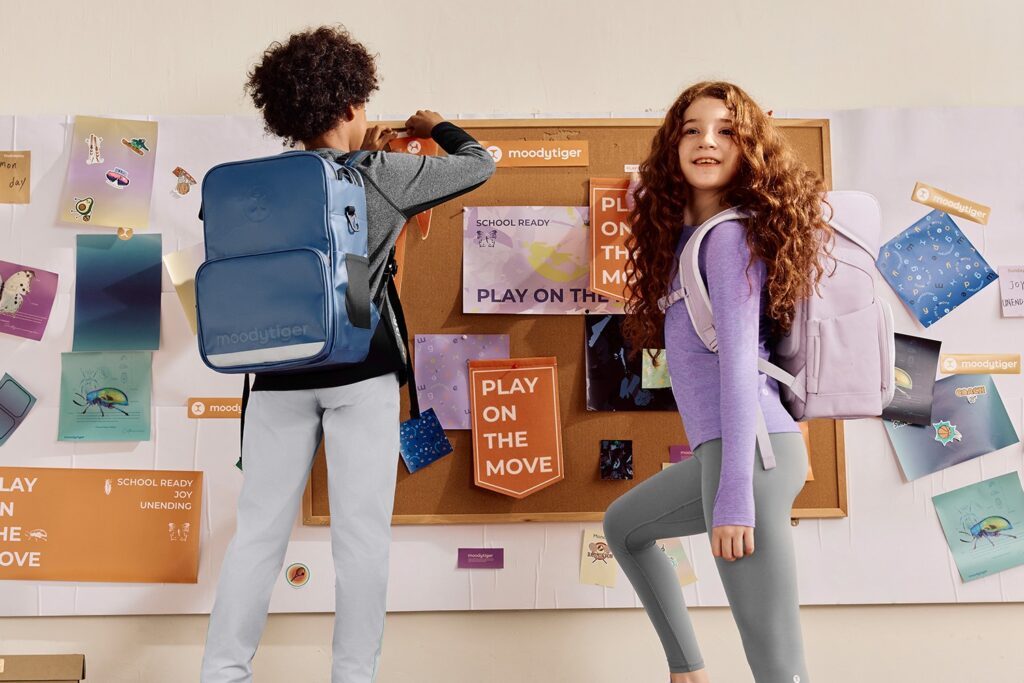
Several apparel brands, including Moodytiger, market proprietary fabric technologies designed for specific use cases. According to manufacturers, these fabrics may emphasize features such as breathability, moisture management, quick-drying performance, stretch, cooling comfort, or UPF-rated sun protection. When evaluating clothing for active children, parents may find it helpful to focus less on brand-specific terminology and more on whether a garment provides the features needed for the activity, such as airflow for hot weather, coverage for extended sun exposure, or quick-drying performance for sports and water activities.
For the drawer, that means sun and pool pieces should not be treated as afterthoughts. A fast-drying swim top can make the ride home easier. A sun-protective shirt can reduce the need to argue about coverage on bright days. A breathable hot-day tee can do more work than a stack of shirts that look fine but hold sweat. This row is especially useful for camp, travel, beach days, pool lessons, and the kind of weekend where a child moves between water, snacks, and more running than anyone planned.
The Shoe Pair That Keeps Mornings Moving
Shoes should sit next to the drawer checklist even if they do not sit inside the drawer. They are part of the same system because a bad shoe can delay the whole morning. If the closure takes too long, the heel slips, the sole feels stiff, or the shoe is wrong for the activity, the problem shows up before the child even leaves the house. A good activity shoe does not need dramatic claims. It needs to close securely, feel stable, breathe well enough for active use, and grip the surfaces children actually meet: school floors, sidewalks, playgrounds, gym floors, and courts.
That is why shoe names should be used carefully and only when they fit the topic. Tempo E is a practical example for an activity-drawer article because it connects to quick adjustment, cushioning, breathability, and traction. Swingy E 2.0 can also be mentioned as part of moodytiger’s broader footwear story when the discussion is about keeping active children ready for varied surfaces and routines. The point is not to overstate what shoes can do. The point is to include footwear in the same planning conversation as tops, bottoms, swim pieces, and layers.
A Five-Minute Drawer Audit Parents Can Repeat
A drawer audit should be quick enough to repeat every few weeks. Pull out the pieces the child refuses, the pieces that always come home damp, the leggings that need tugging, the layer that never leaves the drawer, and the shoes that slow everyone down at the door. Those items are the first clues. A child may not explain the problem in technical language, but the drawer often tells the story clearly. The unused shirt may have a tight underarm. The ignored layer may feel bulky. The favorite bottom may simply have a better waistband.
Next, sort the remaining pieces by use case rather than by garment type. School-day pieces go together. Practice pieces go together. Pool and sun pieces go together. Travel pieces, if the family needs them, get their own small group. This method makes gaps easier to see. A drawer may have ten tops and still lack a true practice shirt. It may have several leggings and still lack one pair that works for sports. It may have swimwear but no quick-drying cover piece. The audit is not about owning less for the sake of owning less. It is about seeing whether the drawer matches the week.
The final audit question is simple: would this piece be chosen again after three washes? New clothing can look convincing on day one. The better test comes after laundry, after a long school day, after a sweaty practice, or after being packed in a bag. Pieces that twist, pill, fade, lose waistband recovery, or stay damp too long should not be the backbone of the drawer. Pieces that come back looking like themselves deserve the easiest-to-reach spot.
Keep the Shopping List Narrow
Once the drawer has been audited, the shopping list should get smaller rather than larger. Replace the problem first. If the complaint is heat, look for breathability and quick dry time. If the complaint is sun exposure, look for UPF language and enough coverage. If the complaint is a sliding waistband, focus on waistband construction and stretch recovery. If the complaint is shoes, focus on closure, grip, cushioning, and fit. A narrow list keeps the purchase practical and prevents the drawer from filling with pieces that repeat the same problem in new colors.
This also reduces the need for hard selling. A parent reading fabric descriptions should know exactly why a piece belongs in the drawer. Airflow, sweat management, UPF coverage, opacity, stretch recovery, quick drying, soft handfeel, secure footwear: these are concrete reasons. They are more credible than broad promises about performance, confidence, or development. When the product language stays concrete, the recommendation feels more useful and the brand feels more trustworthy.
What Belongs Back in the Drawer
At the end of the audit, the pieces that go back should have a clear role. The school-day row should handle comfort and repeat washing. The practice row should handle sweat and stretch. The pool-and-sun row should handle quick drying, coverage, and heat. The shoe plan should support the activities that actually happen during the week. Anything that does not have a role can be stored elsewhere, handed down, recycled, or replaced only when there is a specific reason.
A good activity drawer is not perfect or minimalist. It is simply honest. It reflects the child’s real schedule, the family’s real laundry cycle, and the problems that actually interrupt mornings, practices, and weekends. When the drawer works, parents spend less time hunting for backups and children spend less time negotiating with uncomfortable clothes. The best result is ordinary: the child gets dressed, the outfit fits the day, and the family moves on.
Other Articles You May Find of Interest...
- 7 Things Families Need From an ABA Therapy Provider
- A Day in the Life of a Single Dad: The Honest Hour-by-Hour Daily Life Guide
- What Parents Should Know About Introducing New Partners After Divorce
- Why Major Family Milestones Can Feel So Meaningful
- What PPEC Services Actually Include
- Building Healthy Habits for the Whole Family
- Breastfeeding Classes Washington DC: Building Confidence Before Baby Arrives





