Your Health Magazine Contributor
4201 Northview Drive
Suite 102
Bowie, MD 20716
More Pain Management & Rehabilitation Articles
Top 5 Questions to Ask During a Spine Care Consultation
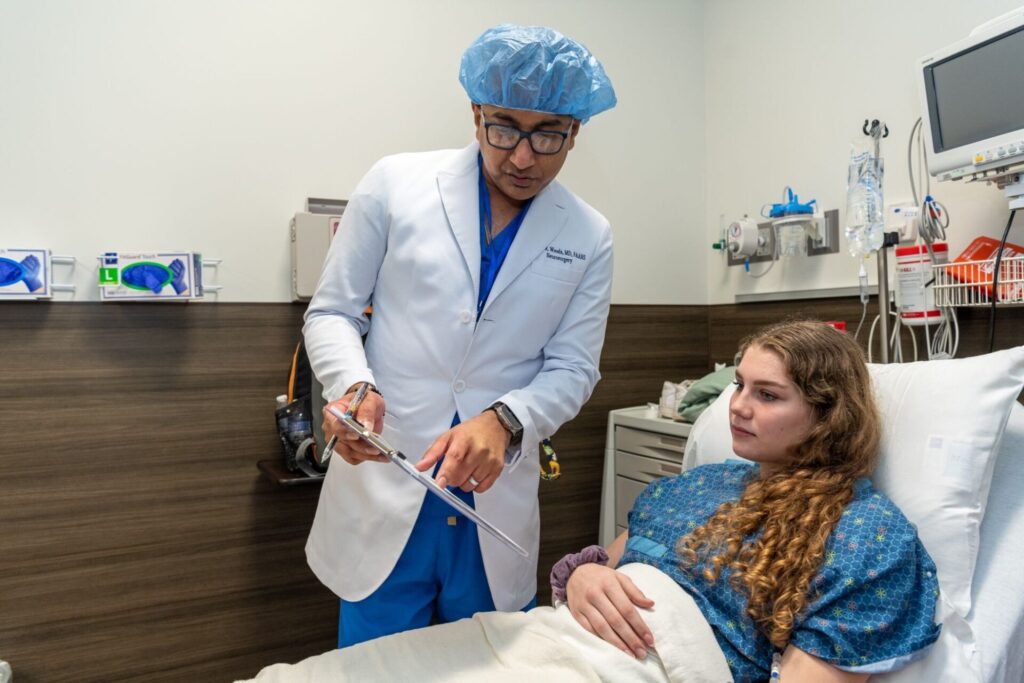
A spine consultation can bring together several things at once: symptoms, medical records, unfamiliar terminology, and hopes about feeling better. It is understandable to wonder where the conversation should begin. A few focused questions can help turn that information into a clearer understanding of available treatment options.
Spine specialists evaluate a variety of conditions affecting the back, neck, and nervous system. Treatment may involve physical therapy, medication, injections, or surgery, depending on the diagnosis and individual circumstances.
Preparing questions before an appointment can help patients understand their condition, explore treatment options, and participate in decisions about their care.
1. What Is Causing My Symptoms?
Start with the problem that needs to be explained. Pain in the back or neck, discomfort traveling into an arm or leg, and changes in movement can raise different clinical questions. Describe when symptoms began, how they have changed, and which activities make them more noticeable.
The National Institute of Arthritis and Musculoskeletal and Skin Diseases explains that evaluating back pain involves medical history and a physical examination, with additional testing when appropriate. An examination may include checking strength, sensation, and reflexes.
Imaging provides additional information, but it does not replace an assessment of symptoms and physical function.
Ask the specialist how the examination findings fit together. Which observations support the working diagnosis? Is anything still uncertain? If another test is suggested, ask what question it is intended to answer and how the result could affect treatment.
A brief symptom timeline can be useful. Include when the problem started, whether it has changed, and what treatments have already been attempted.
If previous imaging or treatment records are available, confirm how the specialist’s office prefers to receive them. The American Academy of Orthopaedic Surgeons recommends making outside records and images available for specialist evaluations.
Connecting symptoms to everyday activities can also provide useful context. Difficulty completing a work shift, walking through a store, or sleeping comfortably may help explain how the condition affects daily life.
2. Which Nonsurgical Options Fit My Situation?
Seeing a spine specialist does not automatically mean surgery will be recommended. The appropriate approach depends on the diagnosis, examination findings, medical history, and treatments already attempted.
Nonsurgical spine care may involve physical therapy, medication, injections, activity modifications, and other approaches tailored to the patient’s needs.
Healthcare practices such as Vertrae offer both nonsurgical and surgical spine care services. However, the availability of a particular treatment does not necessarily mean it is appropriate for every patient.
Ask what a proposed treatment is intended to accomplish. Is the immediate goal pain relief, improved movement, or greater independence with daily activities?
Understanding the objective makes it easier to evaluate progress at a later appointment.
Previous treatment experiences are also important. Patients who have tried physical therapy or injections should explain what was done, how long treatment continued, and whether any improvements lasted.
Medication discussions should include current prescriptions, over-the-counter products, supplements, allergies, and previous adverse reactions.
Ask about possible interactions and side effects before making medication changes.
It is also important to establish when the treatment plan should be reviewed and which symptoms require earlier medical attention.
New difficulty urinating, loss of bladder or bowel control, or numbness around the groin associated with back symptoms requires emergency evaluation because these symptoms can indicate serious nerve compression.
The goal is to leave the appointment with a clear understanding of the next step and how its effectiveness will be assessed.
3. When Would Surgery Be Worth Considering?
If surgery becomes part of the discussion, ask why it is being considered for the specific condition.
The explanation should connect the proposed procedure to findings from the medical evaluation and address potential benefits, alternatives, and risks.
Spine surgeons may use traditional open procedures or minimally invasive techniques, depending on the condition and treatment objectives.
The American Association of Neurological Surgeons explains that minimally invasive techniques may be appropriate for certain conditions, while other situations may require an open surgical approach.
A smaller incision is only one consideration in a broader clinical decision.
Patients should ask about the surgeon’s experience with the specific procedure being recommended.
For example, Dr. Kamal Woods is a neurosurgeon whose professional background includes minimally invasive spine procedures. Regardless of the specialist selected, patients should understand why a particular surgical technique is appropriate for their condition.
Discussion should include what the procedure is intended to improve and which symptoms may remain afterward.
Potential complications may include infection, bleeding, nerve injury, and persistent or recurring symptoms. Individual risks depend on the operation and the patient’s medical circumstances.
If technology such as robotic assistance is proposed, ask what role it will play in the procedure and whether it offers any meaningful advantages for the specific condition.
Timing is another important consideration. Some conditions may respond to continued nonsurgical treatment, while others require more urgent intervention.
The decision should reflect the patient’s clinical condition, available alternatives, and informed discussion with the treating team.
4. What Would Recovery Look Like in My Daily Life?
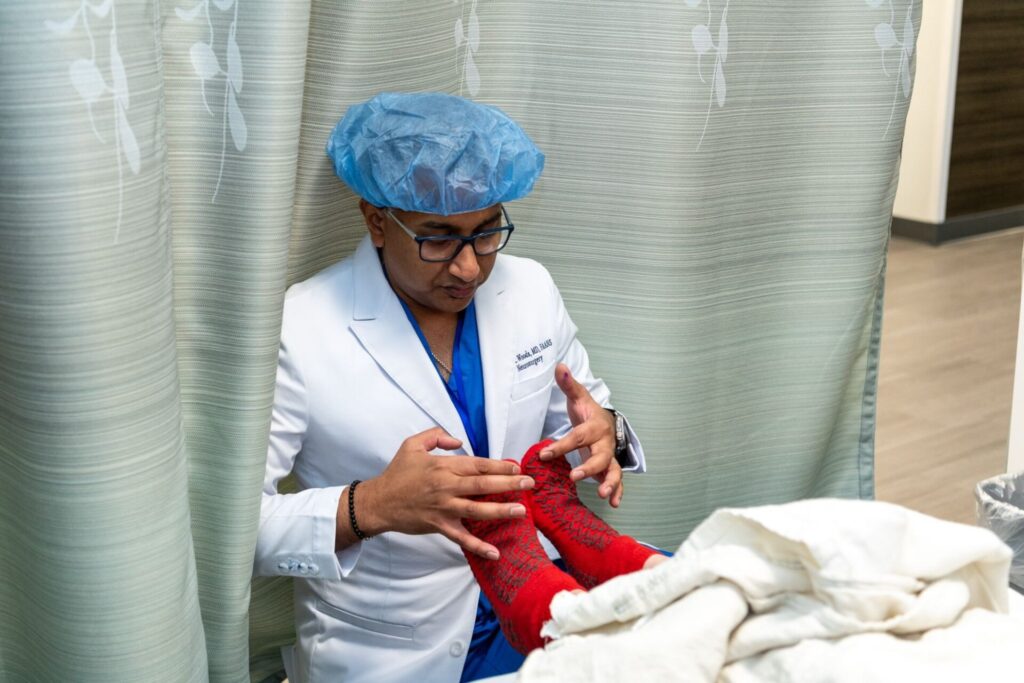
Recovery planning is more useful when it goes beyond a general estimate of how many weeks or months healing may take.
Returning home, managing personal care, resuming employment, and participating in recreational activities can involve different milestones.
For patients considering surgery, ask about the expected recovery setting and what assistance may be needed afterward.
Even outpatient procedures require appropriate arrangements for transportation, postoperative care, and assistance during the initial recovery period.
The American Academy of Orthopaedic Surgeons notes that recovery varies according to the procedure and the patient’s condition.
Daily responsibilities should be part of this conversation.
Someone who lifts heavy equipment at work may have different recovery considerations from a person who works at a desk. Climbing stairs, caring for family members, driving, and completing household chores may also affect recovery planning.
Ask which activities will be restricted, how long those restrictions may last, and when they will be reassessed.
Patients should follow their own surgeon’s instructions rather than relying on another person’s recovery experience.
Physical therapy may be recommended during recovery to address strength, mobility, and functional movement.
If rehabilitation is part of the plan, ask when it should begin, how often appointments may be needed, and how the program will change as recovery progresses.
For nonsurgical treatment, discuss the expected time commitment and any exercises or activities recommended between visits.
Before leaving the appointment, clarify whom to contact about unexpected symptoms and which changes require urgent medical attention.
5. How Will We Make Decisions and Review Progress?
Spine care often involves decisions made over several appointments.
An initial evaluation may lead to diagnostic testing, a period of nonsurgical treatment, another consultation, or preparation for a procedure.
Patients should understand how treatment decisions will be made and how progress will be monitored.
Begin by identifying personal goals.
These may include returning to work, sleeping more comfortably, walking longer distances, or participating in family activities without significant discomfort.
Ask how progress will be measured.
Pain levels are important, but changes in strength, mobility, endurance, and the ability to complete everyday activities can provide additional information.
Keeping brief notes about improvements, setbacks, and difficulties following the treatment plan can help patients communicate their experiences accurately.
The National Institute on Aging recommends taking notes and repeating medical instructions in one’s own words to confirm understanding.
Patients can also request written information about proposed treatments and bring a trusted companion to appointments when appropriate.
Practical arrangements deserve attention as well.
Confirm how follow-up visits are scheduled, how questions are handled between appointments, and whom to contact about insurance coverage or anticipated expenses.
If a significant treatment decision remains uncertain, asking about the role of a second opinion may help clarify the available options.
An effective consultation should allow patients to understand their condition, participate in decisions, and know what to expect from the next stage of care.
Preparing for a More Productive Spine Care Appointment
A spine care consultation is an opportunity to understand symptoms, review available treatments, and establish realistic expectations.
Questions about diagnosis, nonsurgical care, surgical options, recovery, and follow-up can help patients participate more confidently in treatment decisions.
Before the appointment, gather relevant medical records, prepare a symptom timeline, and identify the activities most affected by the condition.
Clear communication between patients and healthcare professionals supports informed decisions and a more practical understanding of what comes next.
Other Articles You May Find of Interest...
- How Doctors Diagnose Chronic Tension-Type Headaches
- Top 5 Questions to Ask During a Spine Care Consultation
- 5 Ways to Rebuild Strength After Knee Surgery
- How to Relieve Leg Pain Quickly and When to Seek Care
- Decoding the Pain: Sensations and Diagnostic Clues
- Structural Anatomy of the Left Lumbar Region
- Wharton’s Jelly Stem Cells for Knee Osteoarthritis: What the Randomized Trials Show