Your Health Magazine Contributor
4201 Northview Drive
Suite 102
Bowie, MD 20716
More Pain Management & Rehabilitation Articles
How Occupational Therapy Can Help You Regain Independence After an Injury

Injuries can be life-changing, and this doesn’t just hurt a part of the body. It can easily change how individuals do their daily chores, and many might not even be able to prepare meals because these tasks can suddenly become exhausting. Others might find traveling to be unsafe, but they want to get out of this situation. See more info about an injury on the CDC website.
Recovery isn’t always limited to reducing pain because many people may need to relearn certain movements so they can manage their responsibilities more safely. These kinds of challenges can make it more difficult for them to become independent even if they’re making progress with their therapy.
In Abbotsford, many occupational therapists consider their clients’ daily lives and may provide home accessibility assessments to support safer, more independent movement. For example, Symmetry Rehab’s occupational therapy services in Abbotsford include treatment approaches that may involve task modification, strategies for managing chronic pain, and support for concussion-related symptoms.
What’s the Role of Occupational Therapy?

Occupational therapists help people identify activities like bathing and determine what prevents them from successfully doing it. It can also be a customized plan that helps individuals drive again, and they can help guide their movements and make sure that their clients are operating in a safe environment. After they understand the barriers, they’re going to develop a practical strategy that’s well-suited to the clients’ needs. These assessments can help identify which activities require modification or additional support.
The Professionals Help Evaluate Everyday Challenges
A thorough assessment starts with a detailed discussion of a patient’s injury as well as their current living arrangements. Most therapists will often ask which activities are difficult for them and whether they’ve had near misses when it comes to falls.
They will do an observation of the patient because someone may have enough strength to stand, but they may be struggling when it comes to entering a bathtub safely. Others can work short distances, but they can be too tired to cook meals (https://www.ncbi.nlm.nih.gov/books/NBK553126), and these details can help the experts in Abbotsford make the right plans for their various individuals.
How to Make Personal Care Safer?
Getting dressed can be painful for someone who has just experienced a car accident. Reaching out to something can be painful, and stepping on slippery surfaces can become dangerous when their balance is poor. Even using the toilet can require more effort than one initially expects.
Fortunately, a lot of therapists may recommend simpler routines that can reduce strain, and they may require the installation of assistive equipment like a grab bar so the essential tasks can be done without risks.
How to Adapt to One’s Home Environment
A home can still present unexpected obstacles after an injury, where the stairs can become difficult to manage. One can add narrow pathways that may interfere with mobility devices, and rugs can increase the chances of falling.
Many therapists can make an assessment of one’s home and suggest modifications that can make movements easier. Minor solutions may include the rearranging of furniture and the addition of non-slip surfaces, so the area is safer for the occupant.
How to Manage Pain?
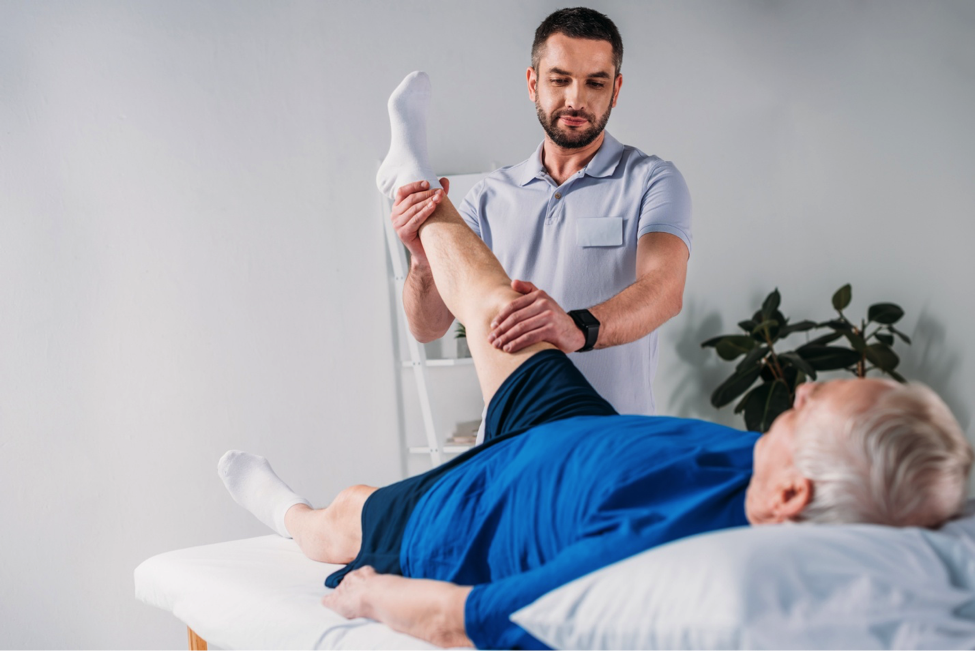
Recovery can become frustrating when someone is capable, but they can’t maintain the right activities for very long. The fatigue can make it challenging to finish chores, especially if one pairs it with chronic pain.
Also, severe discomfort may not be the best approach because doing too much at once can cause the symptoms to flare. It leaves many individuals unable to function for the rest of the day, and this can reduce their confidence in living a more independent life after getting injured. Occupational therapists can help patients manage daily activities through individualized exercises, activity modification, pacing strategies, and other rehabilitation approaches.
Support One’s Return to Work

Going back to work isn’t just a matter of waiting until the pain disappears. Many employees will need to concentrate for long periods of time, especially when driving and rushing into this too quickly can aggravate their symptoms.
An occupational therapist may identify temporary limitations, and they can recommend reduced hours for those who have hectic schedules. They may also make sure that their patient gets additional breaks so individuals can rebuild their tolerance while they continue their recovery.
Other Articles You May Find of Interest...
- Why Joint Pain Often Feels Worse at Night
- Knee Pain With No Clear Cause? Your Joint May Remember an Old Injury
- Which Doctor Should You See for a Pinched Nerve in the Arm?
- 3-Level Cervical Fusion Recovery Time: What to Expect Month by Month
- Stem Cell Therapy Doctors for Knee Arthritis in Los Angeles: What to Look For
- Spinal Adjustments vs. Pain Medication: A Long-Term Thinking Guide for Chronic Back Pain Sufferers
- Mild Degenerative Changes of the SI Joints: What the Report Means