




More Neurology Articles
Pain on the Left Side of Your Head: Possible Causes
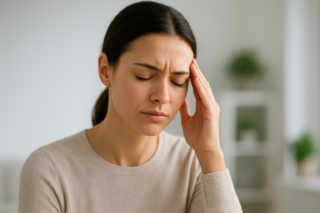
By Your Health Magazine Health Information Team — If the left part of your brain hurts, the discomfort is usually a one-sided headache rather than pain arising from the brain tissue itself. Migraine is a common possibility, but muscle tension, cluster headache, irritated nerves, neck problems, illness, and other conditions can also cause pain on the left side. The location alone cannot identify the cause, so consider how the pain feels, how long it lasts, accompanying symptoms, and whether it is new or different from previous headaches.
What Can Cause Pain on the Left Side of Your Head?
One-sided head pain may come from pain-sensitive nerves, blood vessels, muscles, or tissues surrounding the brain. Some causes produce pain only on the left, while others can affect either side or move from one side to the other. An overview of common headache types and warning signs is available from MedlinePlus headache resources.
| Possible cause | Typical features |
|---|---|
| Migraine | Moderate to severe throbbing or pulsing pain, often on one side, with possible nausea and sensitivity to light, sound, or smells. Movement may make it worse. |
| Tension-type headache | Pressure, tightness, or a dull ache associated with tense neck, jaw, shoulder, or scalp muscles. It commonly affects both sides but can feel stronger on the left. |
| Cluster headache | Extremely intense pain around or behind one eye, often with a red or watery eye, nasal congestion, facial sweating, or a drooping eyelid on the painful side. |
| Neck-related pain or occipital neuralgia | Pain beginning in the upper neck or back of the head. An irritated occipital nerve may produce shooting, electric, burning, or tingling pain on one side of the scalp. |
| Sinus, dental, jaw, or eye problems | Localized head or facial discomfort accompanied by symptoms such as nasal congestion, tooth pain, jaw tenderness, eye redness, or vision changes. |
| Illness or lifestyle factors | Viral infections, dehydration, missed meals, insufficient sleep, stress, alcohol, or changes in caffeine intake can contribute to headaches. |
Clues That the Pain May Be Migraine
Migraine is more likely when the head discomfort on the left side is pulsing or throbbing, interferes with normal activities, or becomes worse with routine movement. Nausea, vomiting, light sensitivity, sound sensitivity, and visual or sensory changes may also occur. Not everyone experiences every symptom, and migraine can sometimes affect both sides or switch sides between attacks.
Some people notice attacks after disrupted sleep, emotional stress, skipped meals, dehydration, hormonal changes, or changes in caffeine use. These factors do not affect everyone, and a suspected trigger should not automatically be assumed to be the cause. If beverages appear to be part of the pattern, learn more about the possible connection between carbonated beverages and headaches.
When Severe Pain Around One Eye May Be a Cluster Headache
Cluster headache causes sudden, severe pain on one side, usually in or around an eye. Attacks often occur at similar times each day, may happen several times daily, and can continue in recurring “clusters” for weeks or months. Unlike many people with migraine, who prefer to lie still in a dark room, someone experiencing cluster headache may feel restless or pace during an attack.
A red or watering eye, runny or blocked nostril, facial sweating, eyelid swelling, or a drooping eyelid may develop on the painful side. Because these symptoms can overlap with eye emergencies and other conditions, a first episode needs medical assessment. The Mayo Clinic’s cluster headache overview explains the characteristic attack pattern and associated symptoms.
Could the Pain Be Coming From Your Neck or a Nerve?
Poor posture, prolonged screen use, jaw clenching, or tight neck and shoulder muscles can contribute to head discomfort. Pain may begin near the base of the skull and travel toward the temple, forehead, or area behind an eye. Turning the neck or pressing a tender muscle may aggravate it.
Occipital neuralgia is less common. It develops when an occipital nerve supplying the back and top of the scalp becomes irritated. The pain is typically sharp, shooting, tingling, or electric rather than a steady pressure. The scalp may also become sensitive to touch. Because migraine can create similar pain at the back of one side of the head, diagnosis requires a clinical evaluation. Johns Hopkins Medicine describes occipital neuralgia symptoms and evaluation.
What to Do for a Mild, Familiar Headache
If the discomfort is mild, resembles headaches you have experienced before, and has no warning signs, reasonable short-term steps include:
- Drink water and eat a regular meal if you have not eaten recently.
- Rest in a quiet, comfortable environment and reduce bright light or screen exposure if these worsen the pain.
- Relax the jaw, neck, and shoulders, and change positions if you have been sitting for a long time.
- Use a cool or warm compress, depending on which feels more comfortable.
- Consider an over-the-counter pain reliever only if it is safe for you, following the product label and advice from a pharmacist or healthcare professional.
A headache diary can help identify patterns. Record the side and location, pain quality, start and end times, other symptoms, sleep, meals, drinks, menstrual timing when relevant, medications taken, and what helped. Frequent use of pain-relief medication can itself contribute to recurring headaches, so discuss repeated medication use with a clinician rather than continually treating the symptoms on your own.
When to Seek Care
Call 911 for a sudden, extremely severe headache, especially if it reaches maximum intensity within seconds or minutes. Emergency help is also appropriate when a headache occurs with new weakness or numbness, facial drooping, confusion, fainting, seizures, difficulty speaking, loss of balance, or vision loss. These can be warning signs of stroke or another neurological emergency. The CDC lists sudden severe headache and other stroke symptoms that require immediate action.
Seek urgent medical evaluation for a headache accompanied by:
- Fever, a stiff neck, rash, repeated vomiting, or unusual drowsiness
- A recent fall, blow to the head, or other head injury
- A painful red eye, blurred vision, halos around lights, or a new drooping eyelid
- New symptoms during pregnancy or after childbirth
- New temple or scalp tenderness, jaw pain while chewing, or vision changes, particularly after age 50
- A history of cancer, a weakened immune system, or blood-thinning medication
Arrange a nonemergency appointment with a primary care professional if headaches keep returning, steadily worsen, disrupt sleep or daily activities, change from their usual pattern, or consistently remain on the same side. Depending on the symptoms, the clinician may recommend evaluation by a neurologist, headache specialist, eye doctor, dentist, or another appropriate professional. Diagnosis generally depends on the medical history and physical and neurological examinations; imaging is considered when symptoms or examination findings suggest a secondary cause.
Other Articles You May Find of Interest...
- Pain on the Left Side of Your Head: Possible Causes
- Fatigue and Headaches: Common Causes
- Stiff Neck and Headache: Causes and Warning Signs
- The Brain Disease That Can Hide for Years After the Hits Stop
- How to Relieve a Headache or Migraine
- Pain in the Back of Your Head: Causes and Relief
- Migraine Diary Guide: How to Track Your Migraines and Find Your Triggers





