






More Mental Health Articles
Understanding Anxiety Medication

Anxiety affects millions of people worldwide and is one of the most common reasons people seek medical advice. While occasional anxiety is a normal part of life, persistent worry that interferes with work, relationships, or daily activities may require professional support. This often leads people to ask an important question: What is the perfect anxiety medication?
Actually, no single medicine works perfectly for everyone. The most suitable treatment depends on the type of anxiety disorder, the severity of symptoms, overall health, previous treatment response, and personal preferences. A medication that provides excellent results for one person may be less effective or produce unwanted side effects in another.
Modern anxiety treatment has advanced considerably over the past few decades. Today, healthcare professionals have access to several evidence-based medications, each working through different pathways in the brain. Some medicines provide rapid symptom relief, while others are designed to offer long-term control with a lower risk of dependence. Understanding these differences helps patients make informed decisions alongside their healthcare provider.
This guide explains what anxiety is, how it affects the brain and body, the main types of anxiety medication available, and how doctors determine the most appropriate treatment for each individual.
What Is Anxiety?
Anxiety is the body’s natural response to situations that are perceived as threatening, uncertain, or stressful. It activates a complex network within the brain and nervous system that prepares a person to react quickly to potential danger. This protective response, often called the fight-or-flight response, is essential for survival and helps people respond to genuine risks.
However, anxiety becomes a medical condition when this response remains active even in the absence of real danger. Instead of switching off after a stressful event has passed, the brain continues sending signals that keep the body in a heightened state of alertness. As a result, everyday situations may trigger excessive fear, constant worrying, or physical symptoms that are difficult to control.
From a neurobiological perspective, anxiety involves several brain regions, particularly the amygdala, prefrontal cortex, and hippocampus. These structures help process emotions, evaluate threats, and regulate behavioural responses. Neurotransmitters such as gamma-aminobutyric acid (GABA), serotonin, noradrenaline, and dopamine also play important roles in maintaining emotional balance. Disruptions in these chemical signalling systems can contribute to the development and persistence of anxiety disorders.
Anxiety affects both the mind and the body. Some people experience constant worrying and racing thoughts, while others mainly notice physical symptoms such as muscle tension, a rapid heartbeat, sweating, trembling, dizziness, or difficulty sleeping. For many individuals, these symptoms occur together and gradually interfere with work, education, relationships, and overall quality of life.
Healthcare professionals recognise several different anxiety disorders, including generalised anxiety disorder (GAD), panic disorder (PD), social anxiety disorder (SAD), specific phobias, and so on. Although each condition has unique characteristics, they all involve excessive fear or anxiety that is disproportionate to the actual situation and persists beyond normal emotional responses.
Recognising anxiety as a genuine medical condition rather than simply “being stressed” is the first step towards effective treatment. With appropriate medical assessment, psychological support, lifestyle changes, and, when necessary, carefully selected medication, many people achieve significant improvements in both symptoms and daily functioning.
How Do You Understand if You Have an Anxiety Disorder?
Everyone feels anxious from time to time. Feeling nervous before an interview, an exam, or an important life event is completely normal. In most cases, these feelings disappear once the situation has passed. An anxiety disorder is different because the fear or worry becomes persistent, excessive, and difficult to control, even when there is little or no real danger.
One of the clearest signs is that anxiety begins to interfere with everyday life. You may find yourself worrying about multiple things for most days of the week, struggling to concentrate at work, avoiding social situations, or finding it difficult to relax. Some people constantly expect the worst to happen, even when there is no obvious reason for concern.
Physical symptoms are also common. Anxiety disorders often affect the body as much as the mind. You may experience a racing heartbeat, muscle tension, sweating, trembling, shortness of breath, dizziness, stomach discomfort, headaches, or ongoing fatigue. Sleep problems are particularly common, with many people finding it difficult to fall asleep, stay asleep, or wake up feeling rested.
Another important sign is the duration of symptoms. Healthcare professionals generally consider anxiety to be a disorder when symptoms persist for several months and significantly affect daily functioning. For example, generalised anxiety disorder (GAD) is typically diagnosed when excessive worry occurs on most days for at least six months, alongside symptoms such as restlessness, irritability, poor concentration, muscle tension, or disturbed sleep.
Many people also begin avoiding situations that trigger their anxiety. They may stop attending social gatherings, avoid travelling, refuse public speaking opportunities, or struggle to leave their home. While avoidance may provide temporary relief, it often strengthens anxiety over time by reinforcing the brain’s perception that the situation is dangerous.
If your anxiety is becoming difficult to manage, affecting your relationships, reducing your performance at work or school, or preventing you from enjoying everyday activities, it is worth speaking to a GP or mental health professional. A proper assessment can help determine whether your symptoms are part of an anxiety disorder and identify the most appropriate treatment plan, which may include psychological therapy, lifestyle changes, medication, or a combination of these approaches.
Why There Is No “Perfect” Anxiety Medication?
Many people searching for anxiety treatment hope to find one medicine that works quickly, completely removes their symptoms, and causes no side effects. Unfortunately, no such medication exists. Anxiety disorders are highly individual, meaning the most effective treatment varies from one person to another.
Several factors influence which medication a healthcare professional recommends. These include the specific type of anxiety disorder, symptom severity, age, physical health, other medical conditions, current medications, previous treatment response, and even a person’s lifestyle. For example, a medicine that works well for someone with panic disorder may not be the best choice for a person with generalised anxiety disorder or social anxiety disorder.
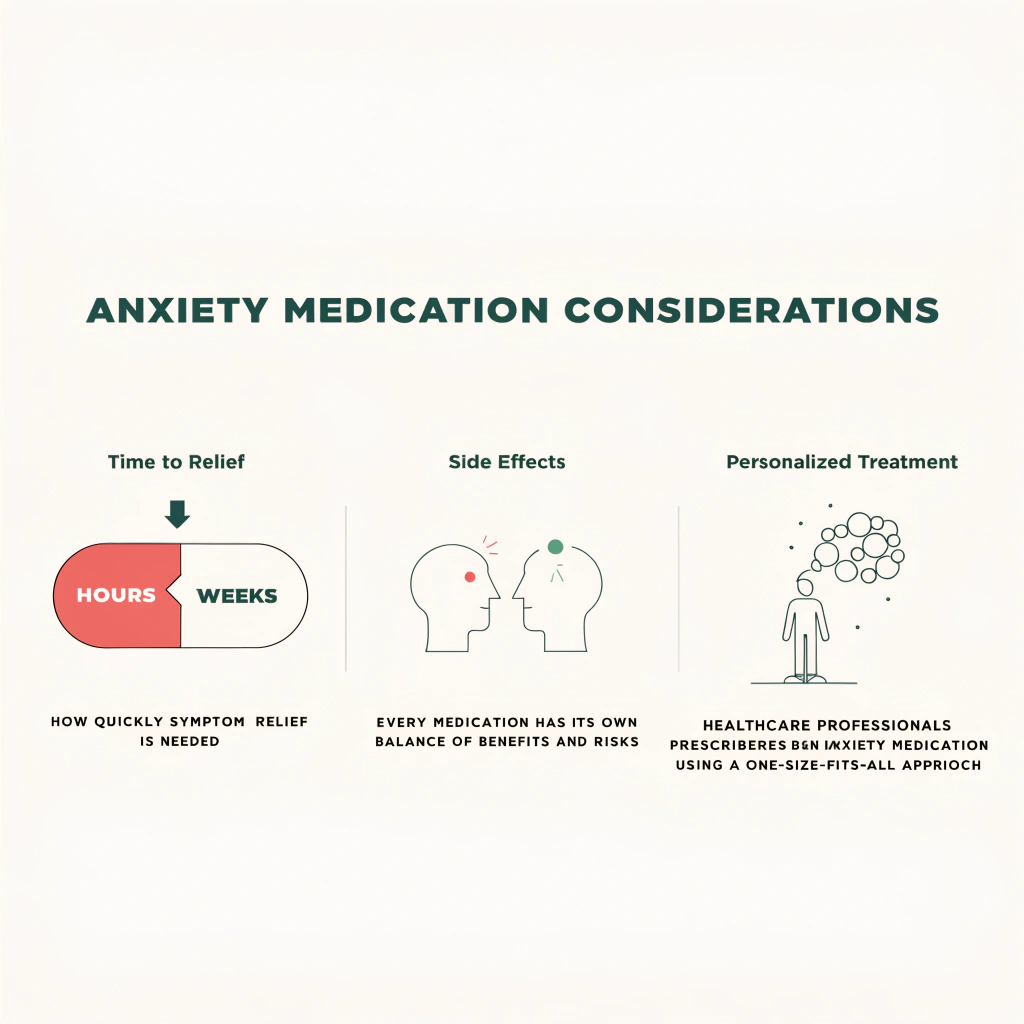
Another important consideration is how quickly symptom relief is needed. Some medications begin working within hours but are only recommended for short-term use because of their potential to cause tolerance and dependence. Others take several weeks before noticeable improvement occurs but are considered safer for long-term treatment.
Every medication also has its own balance of benefits and risks. While one medicine may cause drowsiness in one person, another individual may tolerate it well without significant side effects. Likewise, some people respond better to medications that affect serotonin, while others may require medicines that work through different neurotransmitter systems.
This is why healthcare professionals rarely prescribe anxiety medication using a one-size-fits-all approach. Instead, treatment is tailored to each patient’s symptoms, overall health, treatment goals, and ongoing response. In many cases, finding the most suitable medication involves careful monitoring and occasional adjustments before the best balance between effectiveness and tolerability is achieved.
What Are the Main Types of Anxiety Medication?
Several classes of medication are used to manage anxiety disorders. Each works differently inside the brain and nervous system, making certain medicines more suitable for specific situations than others.
1. Selective Serotonin Reuptake Inhibitors (SSRIs)
Selective serotonin reuptake inhibitors (SSRIs) are widely considered the first-line medication for many anxiety disorders. They increase the availability of serotonin, a neurotransmitter that helps regulate mood, emotions, and stress responses.
Common SSRIs include sertraline, escitalopram, fluoxetine, paroxetine, and citalopram. These medicines are commonly prescribed for GAD, PD, SAD, OCD, and PSD.
SSRIs usually require two to six weeks before significant symptom improvement becomes noticeable. Although they do not provide immediate relief, they are effective for long-term anxiety management and carry a much lower risk of dependence than benzodiazepines.
2. Serotonin-Norepinephrine Reuptake Inhibitors (SNRIs)
Serotonin-norepinephrine reuptake inhibitors (SNRIs) work by increasing both serotonin and noradrenaline levels in the brain. These neurotransmitters play an important role in emotional regulation and stress resilience.
Medicines such as venlafaxine and duloxetine are commonly prescribed when SSRIs are ineffective or unsuitable. Like SSRIs, SNRIs are intended for long-term treatment and typically take several weeks to produce their full therapeutic effect.
3. Benzodiazepines
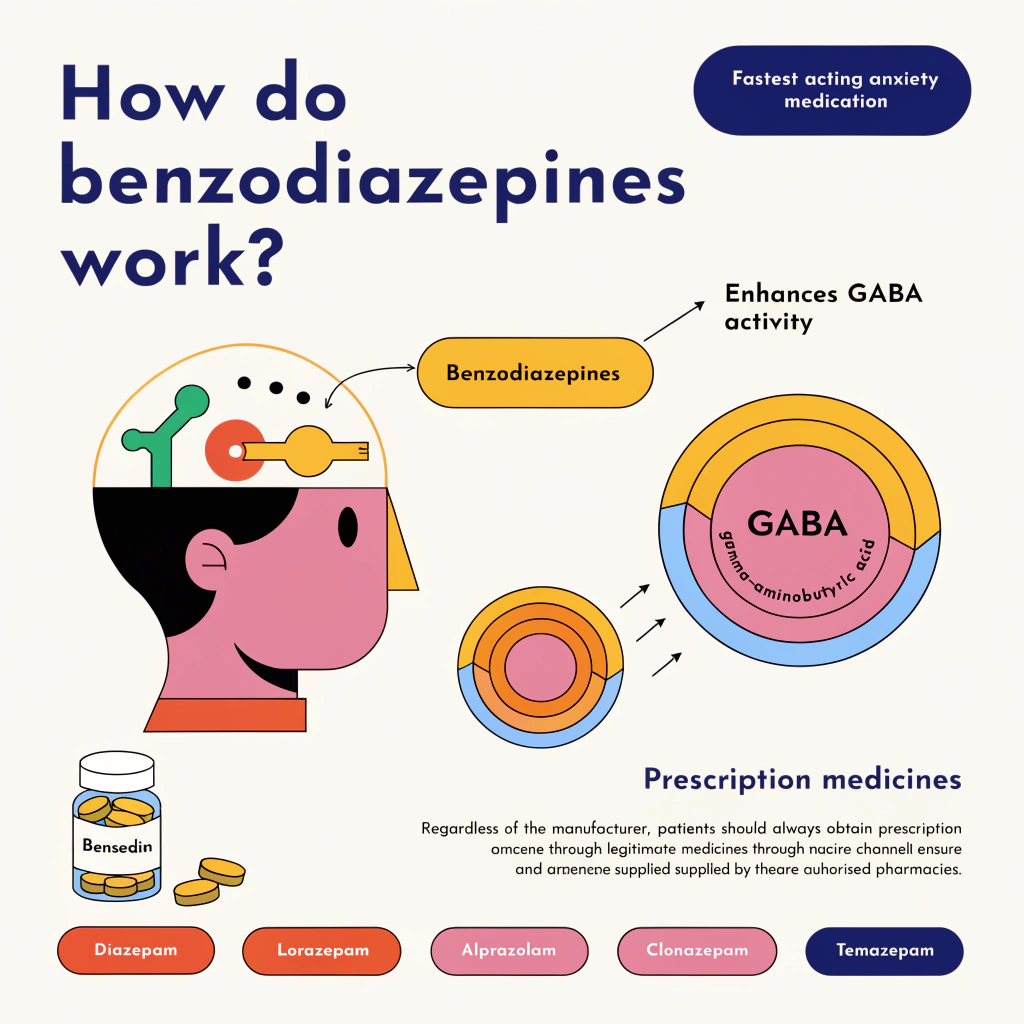
Benzodiazepines are among the fastest-acting anxiety medications available. Instead of increasing serotonin, they enhance the activity of gamma-aminobutyric acid (GABA), the brain’s primary inhibitory neurotransmitter. This reduces excessive nerve activity and produces a calming, muscle-relaxing effect.
Examples include diazepam, lorazepam, alprazolam, clonazepam, and temazepam.
Healthcare professionals usually prescribe benzodiazepines for short-term relief of severe anxiety or panic symptoms, particularly during periods of acute distress or while waiting for longer-term medications, such as SSRIs, to become effective. Because prolonged use may lead to tolerance, dependence, and withdrawal symptoms, these medicines are generally recommended for limited durations under close medical supervision.
One widely recognised diazepam brand is Bensedin, which has been prescribed in various countries for many years. Regardless of the manufacturer, patients should always obtain prescription medicines through legitimate healthcare channels and ensure they are taking medicines supplied by authorised pharmacies.
4. Buspirone
Buspirone is a non-benzodiazepine anxiolytic primarily used to treat generalised anxiety disorder. It affects serotonin receptors differently from SSRIs and does not produce the rapid sedation associated with benzodiazepines.
Although buspirone usually takes several weeks to become fully effective, it has a very low potential for dependence, making it suitable for some patients who require longer-term anxiety management.
5. Beta-Blockers
Beta-blockers are not traditional anti-anxiety medications, but they can help reduce the physical symptoms of anxiety. By blocking the effects of adrenaline, they slow the heart rate and reduce symptoms such as trembling, sweating, and palpitations.
They are most commonly prescribed for performance anxiety, including public speaking or stage performances, rather than chronic anxiety disorders.
6. Other Medicines
Some patients may benefit from other medications depending on their symptoms and medical history. Certain antidepressants, anticonvulsants, or atypical antipsychotics may occasionally be prescribed when standard treatments have not provided adequate relief. These decisions are typically made by specialists after carefully assessing the individual’s condition and treatment response.
Regardless of the medication chosen, anxiety treatment works best when combined with psychological therapies, healthy lifestyle habits, and regular medical review. Medication alone is rarely the complete solution, but it can become an important part of a comprehensive treatment plan when prescribed appropriately.
How Do Doctors Decide Which Anxiety Medication Is Right?
Choosing the right anxiety medication is a personalised process rather than a fixed decision. Healthcare professionals assess the whole person instead of focusing on a single symptom. During the consultation, they consider the type of anxiety disorder, how long the symptoms have been present, their severity, and whether anxiety is affecting work, relationships, sleep, or daily functioning.
Doctors also review a patient’s medical history, current medications, physical health, and any previous experience with anxiety treatments. Certain medicines may not be suitable for people with liver disease, kidney disease, pregnancy, epilepsy, or a history of substance misuse. Likewise, some medications may interact with existing prescriptions, making careful review essential before treatment begins.
Another important consideration is the patient’s treatment goals. Some people require rapid symptom relief during a short-term crisis, while others need long-term management of persistent anxiety. This distinction often influences whether a clinician recommends psychological therapy, medication, or a combination of both.
According to NICE (National Institute for Health and Care Excellence), psychological therapies such as cognitive behavioural therapy (CBT) are recommended as first-line treatment for many anxiety disorders. Medication is often introduced when symptoms are moderate to severe, when therapy alone has not been effective, or when patients prefer pharmacological treatment.
Here are the factors Doctors Consider Before Prescribing.
| Assessment Factor | Why It Matters |
| Type of anxiety disorder | Different disorders respond differently to medication. |
| Symptom severity | Severe symptoms may require combined treatment. |
| Duration of symptoms | Persistent anxiety may benefit from long-term medication. |
| Medical history | Certain conditions limit medication choices. |
| Previous medication response | Helps avoid ineffective treatments. |
| Other medicines | Prevents potentially harmful drug interactions. |
| Pregnancy or breastfeeding | Some medicines require extra caution. |
| Risk of dependence | Important when considering benzodiazepines. |
| Patient preference | Shared decision-making improves treatment adherence. |
Doctors usually review patients regularly after starting medication. Follow-up appointments allow them to monitor symptom improvement, identify side effects, and adjust treatment if necessary. Finding the most suitable medication sometimes requires patience, particularly with antidepressants that may take several weeks before their full benefits become apparent.
What Are The Common Myths About Anxiety Medication?
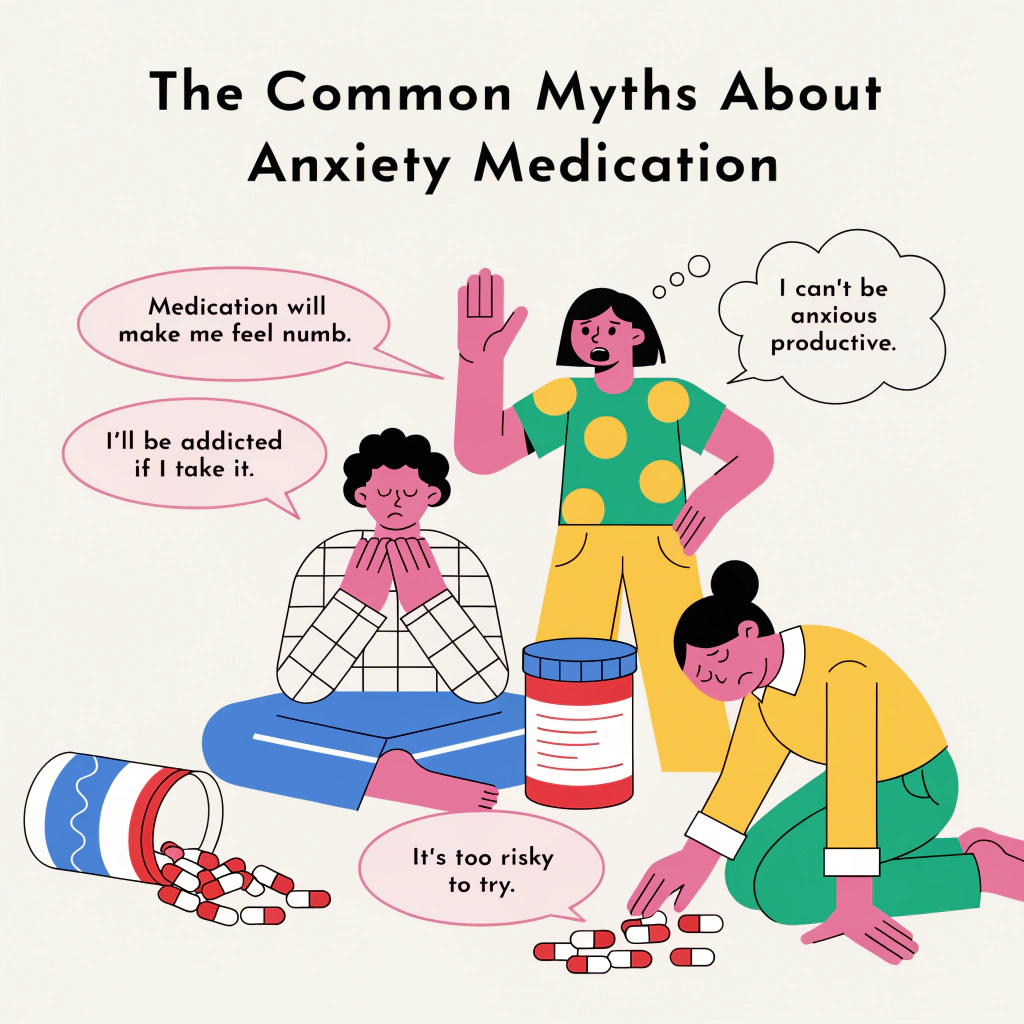
Anxiety medication is often misunderstood. Misinformation found online and personal experiences shared on social media can create unnecessary fear about treatment. Understanding the facts helps patients make informed decisions with their healthcare provider.
Myth 1: Does Anxiety Medication Work Instantly?
Only certain medicines, such as benzodiazepines, produce rapid symptom relief. Most first-line medications, including SSRIs and SNRIs, usually require several weeks before noticeable improvement occurs.
Myth 2: Does Everyone Become Addicted to Anxiety Medication?
Not all anxiety medications carry the same risk. While benzodiazepines may cause dependence when used for prolonged periods, SSRIs, SNRIs, and buspirone have a much lower risk of addiction when prescribed appropriately.
Myth 3: Does Anxiety Medication Change Your Personality?
Anxiety medication does not change who you are. Its purpose is to reduce excessive anxiety so that normal emotional functioning can return.
Myth 4: Once You Start Anxiety Medication, Can You Never Stop?
Many people use anxiety medication for a limited period. Treatment duration depends on the individual’s condition, and medicines should only be reduced gradually under medical supervision to minimise withdrawal symptoms.
Myth 5: Do Higher Doses of Anxiety Medication Work Better?
Increasing the dose without medical advice does not necessarily improve anxiety. Higher doses may simply increase the likelihood of unwanted side effects.
What is The Importance of Therapy and Lifestyle Alongside Anxiety Medication?
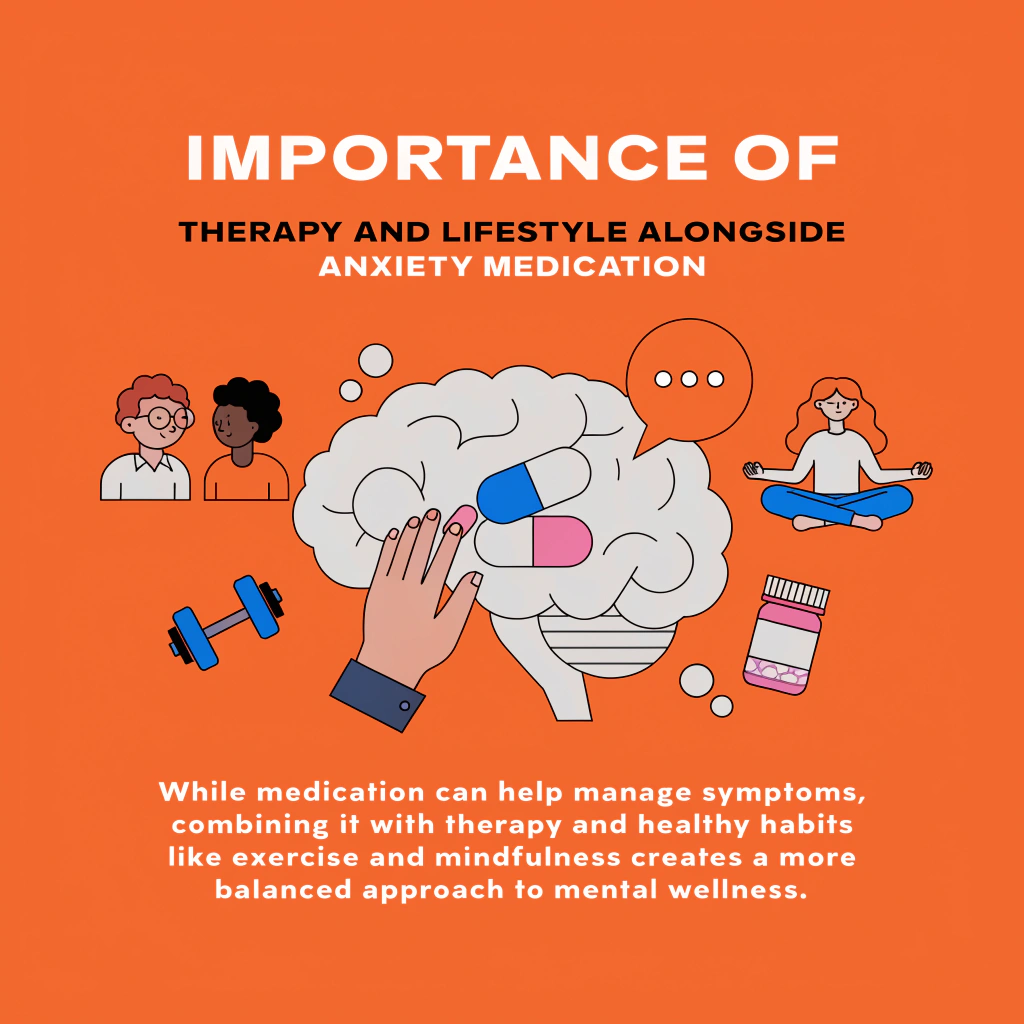
Medication can play an important role in reducing anxiety symptoms, but it rarely addresses the underlying thoughts, behaviours, and life circumstances that contribute to the condition. For this reason, healthcare professionals often recommend combining medication with psychological therapy and healthy lifestyle changes. This comprehensive approach helps manage current symptoms while building long-term resilience against future anxiety.
According to the National Institute for Health and Care Excellence (NICE), cognitive behavioural therapy (CBT) remains one of the most effective treatments for many anxiety disorders. Rather than simply relieving symptoms, CBT teaches people how to recognise unhelpful thinking patterns, challenge irrational fears, and gradually reduce avoidance behaviours. Over time, these skills help individuals respond to stressful situations more confidently without relying solely on medication.
Other psychological approaches may also be beneficial depending on the individual’s needs. Counselling, mindfulness-based therapies, acceptance and commitment therapy (ACT), and exposure therapy can all help improve emotional regulation and reduce anxiety symptoms when delivered by trained professionals.
Lifestyle factors also have a significant influence on anxiety. Small daily habits can affect brain chemistry, hormone regulation, sleep quality, and stress resilience. Although lifestyle changes may not replace medical treatment for moderate or severe anxiety disorders, they often improve overall treatment outcomes.
Lifestyle habits that support anxiety treatment are listed below.
- Regular physical exercise: Improves mood by increasing endorphins, lowering stress hormones, and promoting better emotional well-being.
- Consistent sleep routine: Supports brain recovery, improves emotional regulation, and reduces anxiety-related fatigue.
- Balanced nutrition: Provides the nutrients needed for healthy brain function and helps maintain stable energy levels.
- Limiting caffeine and alcohol: Reduces symptoms such as rapid heartbeat, nervousness, restlessness, and disrupted sleep.
- Mindfulness and meditation: Encourages relaxation, improves focus, and helps manage intrusive thoughts more effectively.
- Breathing and relaxation exercises: Calm the nervous system and reduce the body’s fight-or-flight response during stressful situations.
- Spending time outdoors: Exposure to natural environments can reduce stress levels and improve overall mental wellbeing.
- Maintaining social connections: Regular contact with supportive family and friends helps reduce loneliness and builds emotional resilience.
- Following a structured daily routine: Creates predictability, reduces uncertainty, and helps manage stress more effectively.
- Engaging in enjoyable hobbies: Taking part in meaningful activities provides healthy distraction, improves mood, and promotes long-term psychological wellbeing.
Many people notice gradual improvements when these healthy habits become part of their routine. Even simple activities such as walking, maintaining regular meal times, or practising breathing exercises can help reduce the body’s stress response over time.
Medication should therefore be viewed as one part of a broader treatment plan rather than a complete solution. Combining medical treatment with therapy, healthy daily habits, and regular follow-up provides the best opportunity for long-term recovery and improved quality of life.
How to Identify Legitimate Prescription Medicines? (General Safety Guidance)
Prescription medicines should always be obtained through safe and legal healthcare channels. Unfortunately, counterfeit medicines remain a growing concern worldwide, particularly when purchased from unregulated websites or unofficial online sellers. Fake medicines may contain incorrect ingredients, harmful contaminants, the wrong dose, or no active medicine at all, increasing the risk of treatment failure and serious health complications.
The Medicines and Healthcare products Regulatory Agency (MHRA) regularly advises patients to obtain prescription medicines only from registered pharmacies operating within UK regulations. Medicines supplied through legitimate healthcare providers undergo strict manufacturing, quality control, and distribution standards before reaching patients.
When collecting a prescribed medicine, patients should become familiar with its appearance and carefully read the patient information leaflet supplied inside the packaging. While medicines from different manufacturers may vary slightly in colour, markings, or packaging, any unexpected change should be discussed with a pharmacist before taking the medication.
General Safety Checks
If you receive a prescription medicine, it is sensible to check:
- The medicine is supplied in its original manufacturer packaging.
- The patient information leaflet is included.
- The medicine name and strength match your prescription.
- The expiry date has not passed.
- The packaging appears sealed and undamaged.
- Batch numbers and expiry dates are clearly printed.
- The tablets or capsules do not appear unusually broken, discoloured, or damaged.
If anything seems unusual, speak with the supplying pharmacist before taking the medicine.
Patients should also be cautious of websites that:
- Sell prescription-only medicines without requesting a valid prescription.
- Make unrealistic claims such as “guaranteed cure” or “no side effects.”
- Offer medicines at prices that appear unusually low compared with legitimate pharmacies.
- Do not provide a registered pharmacy address or contact details.
- Hide information about the responsible healthcare professionals.
Healthcare professionals also encourage patients to ask questions whenever they have concerns about their medication. Pharmacists are trained to explain how medicines should look, how they work, possible side effects, and how to take them safely.
Choosing medicines through trusted healthcare providers helps reduce the risk of counterfeit products and ensures that treatment remains safe, effective, and appropriate for the individual’s medical condition.
What Are The Safety Tips for Anxiety Patients?
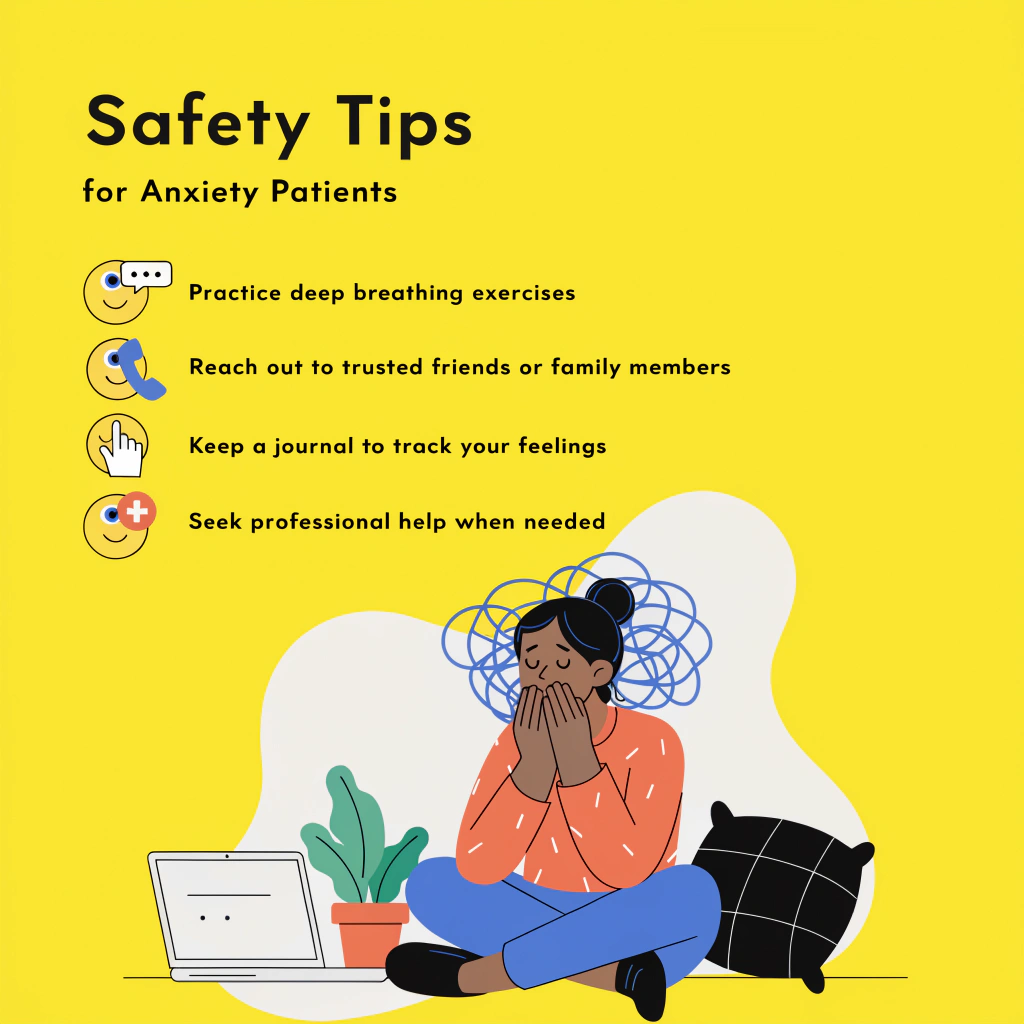
Using anxiety medication safely is just as important as choosing the right treatment. Following professional advice helps maximise benefits while reducing the risk of complications.
Healthcare organisations including the NHS, MHRA (Medicines and Healthcare products Regulatory Agency), and NICE recommend the following safety measures:
- Always take medication exactly as prescribed by your healthcare professional.
- Never increase or reduce the dose without medical advice.
- Do not stop antidepressants or benzodiazepines suddenly unless instructed by your doctor.
- Avoid sharing prescription medicines with other people.
- Inform your doctor or pharmacist about every medicine and supplement you are taking.
- Avoid alcohol when taking medicines that may cause drowsiness unless your clinician advises otherwise.
- Attend regular medication reviews if using long-term treatment.
- Report any unusual side effects promptly.
- Store medicines safely and keep them out of the reach of children.
For people prescribed benzodiazepines, additional precautions are particularly important because these medicines may impair alertness, coordination, and reaction time.
Benzodiazepine safety information is provided in the table below.
| Assessment Factor | Why It Matters |
| Type of anxiety disorder | Different disorders respond differently to medication. |
| Symptom severity | Severe symptoms may require combined treatment. |
| Duration of symptoms | Persistent anxiety may benefit from long-term medication. |
| Medical history | Certain conditions limit medication choices. |
| Previous medication response | Helps avoid ineffective treatments. |
| Other medicines | Prevents potentially harmful drug interactions. |
| Pregnancy or breastfeeding | Some medicines require extra caution. |
| Risk of dependence | Important when considering benzodiazepines. |
| Patient preference | Shared decision-making improves treatment adherence. |
The MHRA also advises patients to seek immediate medical attention if they experience severe allergic reactions, significant breathing difficulties, unusual confusion, or suicidal thoughts while taking any prescribed medication.
When Should You Seek Medical Help for Your Anxiety?
Occasional anxiety is a normal part of life, but persistent symptoms should never be ignored. Early assessment often leads to more effective treatment and better long-term outcomes.
You should consider speaking to a GP or mental health professional if:
- Anxiety persists for several weeks or months.
- Worry becomes difficult to control.
- Symptoms interfere with work, education, or relationships.
- You regularly experience panic attacks.
- Sleep problems continue despite lifestyle changes.
- You begin avoiding everyday situations because of fear.
- Physical symptoms such as chest pain, dizziness, or breathlessness become frequent.
- Anxiety affects your ability to carry out normal daily activities.
Urgent medical attention should be sought if anxiety is accompanied by thoughts of self-harm, suicidal thoughts, severe behavioural changes, or symptoms suggesting a medical emergency.
According to the NHS, early diagnosis allows healthcare professionals to identify underlying causes, recommend appropriate psychological therapies, discuss medication where necessary, and provide ongoing support tailored to the individual’s needs.
Other Articles You May Find of Interest...
- Why Your Mental Wellness Routine Should Integrate Exercise
- How to Protect Your Mental Health After Losing a Pet
- The Hidden Link Between Blood Sugar and Anxiety: What Continuous Glucose Monitors Reveal
- Why a Gradual, Clinician-Guided Approach to Methylfolate May Matter
- Breaking the Stigma Around Mental Health and Seeking Professional Support
- Complex PTSD vs. PTSD: The Differences That Can Change Your Treatment
- When Talk Therapy Isn’t Enough: Understanding More Intensive Treatment for OCD





