More Medication Articles
Discover the Benefits and Uses of Aldara Medication for Skin Conditions
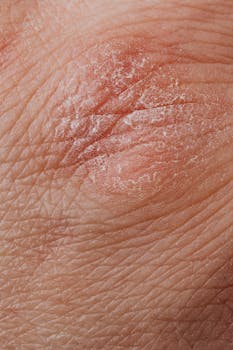
Imagine you or someone you know has been dealing with stubborn skin conditions that don’t respond well to standard treatment. In such cases, aldara medication might be suggested by a healthcare provider as an alternative therapy. But what exactly is Aldara, and how can it be beneficial? Understanding the uses and potential effects of this medication helps you make an informed decision in consultation with your doctor.
What Conditions Can Aldara Medication Address?
Aldara, known generically as imiquimod, is a topical medication primarily used to treat certain skin conditions. These include actinic keratosis, superficial basal cell carcinoma, and external genital warts. Each of these conditions involves abnormal skin growths or alterations, where the immune system can potentially play a therapeutic role by targeting altered skin cells.
The benefits of using Aldara lie in its ability to stimulate the body’s immune response locally. This immune activation may assist in clearing abnormal cells, making it a useful option for some patients when standard treatment is inadequate.
When to Seek Care
It’s crucial to know when to consult a healthcare provider if you suspect you might need Aldara. If you have persistent skin lesions that change color, size, or shape, it’s time to see a dermatologist. Such symptoms may indicate skin cancer or other serious conditions that require a professional evaluation. Moreover, if over-the-counter creams or other home treatments do not work, medical advice from a specialist, such as a dermatologist, can provide a path forward.
How Does Aldara Medication Work Day-to-Day?
When using Aldara, you’ll typically apply it directly to the affected area as instructed by your provider, often several times a week. It’s essential to apply the cream only to the identified area to limit unnecessary irritation. Daily application needs to follow a specific schedule to maximize efficacy while minimizing the chance of side effects like redness or burning sensations.
For any medication, including Aldara, it’s advisable to adhere strictly to your healthcare provider’s instructions. Make sure to ask your doctor how best to apply the cream for your particular skin condition, whether during the day or as part of a bedtime regimen.
Is Aldara Right Before or After Other Treatments?
If you’ve been using another medication before considering Aldara, consult your healthcare provider about whether to discontinue it first. The transition between treatments should be managed to avoid unnecessary interactions or resistance. Always provide your healthcare provider with a complete list of your current medications, including over-the-counter drugs and supplements, to inform their recommendations.
Remember to discuss all therapeutic options available, which for some individuals may involve integrated approaches using both Aldara and other treatment protocols.
Considerations and Side Effects
While Aldara can be effective for certain conditions, potential users need to be aware of common side effects. These might include itching, redness, or swelling around the application area, though these typically subside with time. If severe reactions occur, such as unexplained skin rashes or systemic effects like fever, you should contact your doctor immediately. Monitoring how your body reacts when you first start using Aldara is crucial, as adjustments or discontinuation might be necessary based on tolerance.
Nutrition, Lifestyle, and Skin Management
In parallel to using medications like Aldara, focusing on overall skin health through diet and lifestyle can also contribute positively. Consuming a balanced diet, staying hydrated, and protecting your skin from excessive sun exposure are proactive measures that support skin healing and health. For more tips on how lifestyle choices can complement skin treatments, you may find this article on weight control, nutrition, and exercise helpful.
Takeaways
- Aldara is a topical medication used to treat specific skin conditions.
- It’s important to use Aldara as directed by your healthcare provider.
- Consult a dermatologist if skin lesions change or persist.
- Be aware of side effects and report severe reactions.
- Consider lifestyle changes to support overall skin health.
Common Questions
When should I see a doctor about skin conditions?
If your skin lesions change in color, size, or texture, or if they’re persistent and unresponsive to standard treatments, it’s time to visit a dermatologist for a professional opinion.
What type of provider can prescribe Aldara?
A dermatologist typically prescribes Aldara after evaluating your specific skin condition and determining it’s an appropriate therapy given other treatment options.
Are there proactive ways to maintain skin health while using Aldara?
Yes, maintaining a healthy diet, proper hydration, and protective skincare can support treatment. Avoid excessive sun exposure to enhance results and avoid further skin damage.
Can lifestyle changes aid in the effectiveness of skin treatments?
Absolutely. Adopting a balanced and nutritious lifestyle can complement your treatment plan and promote better skin health. Engaging in a holistic approach often supports the healing process and enhances the overall health of your skin.
Other Articles You May Find of Interest...
- Single-Dose vs Multiple-Dose Vials: How to Read the Label
- Before Your First Compounded Prescription: Five Questions Worth Asking
- Medication Safety for Aging Parents: A Family Guide to Preventing Missed Doses and Dangerous Mix Ups
- Identifying Pink-and-White Benadryl Capsules
- Anti-Inflammatory Medicines for Trigger Finger: How Much Can They Help?
- What Fluticasone Propionate Cream Is Used For
- Identifying the Blue A 17 Pill and Avoiding Counterfeits