Your Health Magazine Contributor
4201 Northview Drive
Suite 102
Bowie, MD 20716
More Medication Articles
Medication Safety for Aging Parents: A Family Guide to Preventing Missed Doses and Dangerous Mix Ups
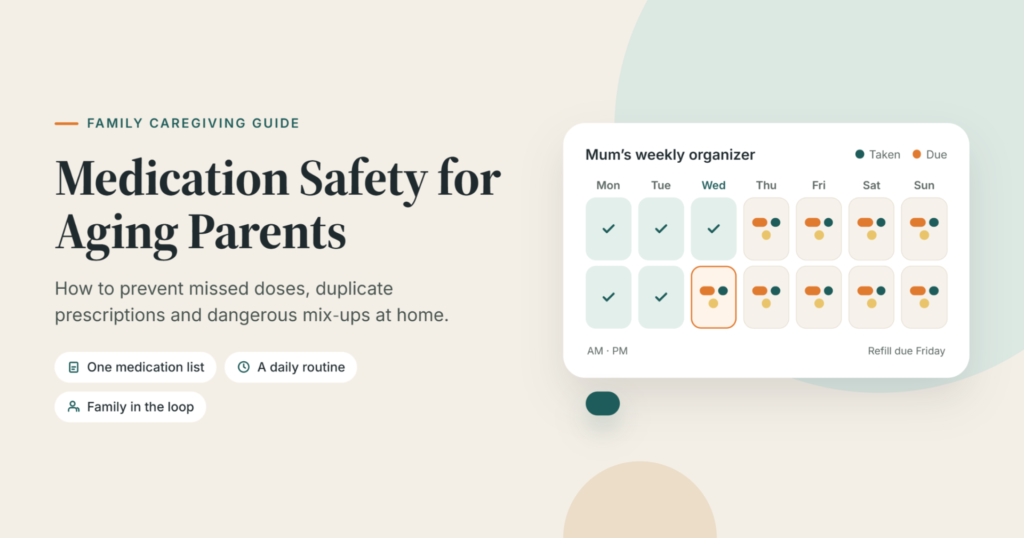
Managing medications for an aging parent is not always easy. When they take several prescriptions each day, keeping track of doses, refills and instructions from different doctors can get confusing.
A simple routine can help prevent many common mistakes. Keep an updated list of all medications, vitamins and supplements your parents take and review it with a doctor or pharmacist regularly. Common medication errors can include missed doses, duplicate prescriptions or confusion about when to take a medicine.
If you’re helping an aging parent manage their medications, these practical steps can make the process safer and easier for everyone.
Why Medication Safety Matters More as Parents Age
Medication related problems are a serious concern for older adults. A CDC-led study published in JAMA found that adults aged 65 and older accounted for about one third of emergency visits related to adverse drug events in the United States.
Blood thinners, diabetes medications and opioid pain relievers were among the main medicines involved. These drugs can be essential but taking the wrong dose or missing important instructions can lead to serious complications.
Why Managing Medications Becomes More Difficult With Age
The American Geriatrics Society publishes the Beers Criteria which highlights medications that may carry additional risks for older adults. If your parents take one of these medicines, ask their doctor whether it’s still the right choice. Never stop a prescription without medical advice. Several things can make medication management harder as people get older.
More medicines: Prescriptions, vitamins, supplements and over-the-counter products can be difficult to keep track of.
Different doctors: Multiple healthcare providers may prescribe medicines without knowing everything your parents already take.
Changes in the body: Kidney and liver function can change with age, affecting how certain medicines are processed.
Memory and vision problems: Forgetting doses or struggling to read small labels can make daily routines more challenging.
Warning Signs of a Possible Medication Problem
Sometimes medication side effects can look like normal signs of aging.These symptoms don’t always mean a medication is responsible but they’re worth discussing with a doctor or pharmacist. Don’t change a dose or stop a prescription on your own. Pay attention if your parent develops:
- Unusual confusion or excessive sleepiness
- Dizziness, balance problems, or recent falls
- Nausea, reduced appetite, or constipation
- Changes in mood, sleep, or energy
- Unexplained bruising or bleeding
- Shaking or sweating that could indicate low blood sugar
- Pill bottles that empty too quickly or last longer than expected
Step 1: Make One Complete Medication List
Start by writing down everything your parents take, including prescriptions, vitamins, supplements and over-the-counter medicines. Include the following details:
- Medication name and strength
- Dose and time of day
- Reason for taking it
- Prescribing doctor and pharmacy
- Known medication allergies
Step 2: Arrange Regular Medication Reviews
Review your parent’s medications yearly and after any hospital stay or major treatment change. Bring all medication bottles to help the doctor or pharmacist check doses, duplicates, and possible interactions.
Step 3: Make the Daily Routine Easier
A complicated medication schedule can become frustrating, but using one pharmacy, coordinating refills, asking about simpler dosing schedules, and choosing easy to read packaging can help. Always consult the prescribing professional before changing medication times or doses.
Step 4: Choose a System That Suits Your Parent
A weekly pill organizer can help keep medicines sorted by day and time. Fill it at a regular time, double-check the instructions, and involve your parents in the process.
If they frequently forget doses, an automatic pill dispenser may be helpful. Depending on the model, it can release medication at scheduled times, sound an alarm, or notify a caregiver when a dose is missed.
Choose a system that suits your parent’s needs and abilities. The goal is to make medication management easier, not more complicated.
Step 5: Keep Everyone in the Family Informed
When several family members care for a parent, clear communication helps prevent medication mistakes. Assign one person to manage the medication list, track refills, and share updates. medication reminder apps can also help with dose alerts and refill tracking.
Step 6: Store and Dispose of Medicines Properly
Safe storage is another important part of medication management.
- Follow the storage instructions on each medicine’s packaging.
- Keep medications away from children and pets.
- Separate expired or discontinued medicines to prevent accidental use.
- Ask a pharmacist about safe disposal options or an authorized medication take-back program.
Questions to Ask at Your Parent’s Next Appointment
It’s easy to forget questions during a medical appointment, so write them down beforehand.If something isn’t clear, ask the doctor or pharmacist to explain it in simple terms rather than guessing.
- Do my parents still need every medication they’re taking?
- Could any medicines be causing the symptoms we’ve noticed?
- Are there safer alternatives or ways to simplify the schedule?
- What side effects should we watch for?
- What should we do if a dose is missed or accidentally taken twice?
When to Seek Medical Help
Contact your parent’s doctor or pharmacist if you suspect a missed dose, accidental double dose, or medication-related side effect. Don’t automatically give another dose or skip the next one; the right response depends on the medicine.
For serious symptoms such as difficulty breathing, chest pain, fainting, severe confusion, or significant bleeding, seek emergency help immediately. If you suspect an overdose, contact local emergency services or a poison information service.
The Bottom Line
Managing your aging parent’s medications becomes easier with an updated medication list, regular prescription reviews, and a consistent routine. Involve your parents in decisions to support their independence. With simple organization, clear communication, and guidance from healthcare professionals, families can reduce medication mistakes and feel more confident.
Other Articles You May Find of Interest...
- Before Your First Compounded Prescription: Five Questions Worth Asking
- Medication Safety for Aging Parents: A Family Guide to Preventing Missed Doses and Dangerous Mix Ups
- Identifying Pink-and-White Benadryl Capsules
- Anti-Inflammatory Medicines for Trigger Finger: How Much Can They Help?
- What Fluticasone Propionate Cream Is Used For
- Identifying the Blue A 17 Pill and Avoiding Counterfeits
- What to Know About Evaluating BPC-157 Injectable Claims