






Your Health Magazine Contributor
4201 Northview Drive
Suite 102
Bowie, MD 20716
More Medical Tourism Articles
What International Patients Should Consider Before Traveling Abroad for a Deep Plane Facelift
Traveling abroad for facial rejuvenation surgery can offer access to experienced surgeons, different treatment options, and potentially lower overall costs. However, a deep plane facelift is a major surgical procedure, and patients considering treatment abroad should evaluate much more than price alone.
A successful experience depends on surgeon selection, medical safety, surgical planning, recovery time, communication, and structured follow-up after returning home.
What Is a Deep Plane Facelift?
A deep plane facelift is a facial rejuvenation technique that works beneath the superficial layers of the face to reposition deeper facial tissues.
Unlike procedures that rely mainly on tightening the skin, a deep plane approach is designed to address deeper structures of the face and neck. Depending on the patient’s anatomy and aging pattern, treatment may focus on the cheeks, jawline, lower face, and neck.
The goal should not simply be to create a tighter appearance. A well-planned facelift should aim for a balanced and natural-looking result that respects the patient’s existing facial characteristics.
Not every patient is an appropriate candidate for the same technique. Age, skin quality, facial anatomy, medical history, previous procedures, and individual goals all influence the surgical plan.
Evaluate the Surgeon’s Credentials
One of the most important decisions is choosing the surgeon.
International patients should carefully review the surgeon’s medical education, specialist training, board certification, professional memberships, and experience with facial rejuvenation surgery.
Patients should also determine whether facial surgery represents a meaningful part of the surgeon’s practice.
A surgeon who regularly performs facelift and neck lift surgery may have more focused experience evaluating facial aging patterns than a surgeon whose practice is primarily centered on unrelated procedures.
Before committing to surgery, patients should ideally have direct communication with the surgeon rather than relying entirely on a sales representative or patient coordinator.
The consultation should provide an opportunity to discuss:
- the patient’s facial anatomy
- the areas causing concern
- previous cosmetic procedures
- relevant medical history
- expected surgical technique
- realistic outcomes
- potential risks
- recovery expectations

Review Before-and-After Results Carefully
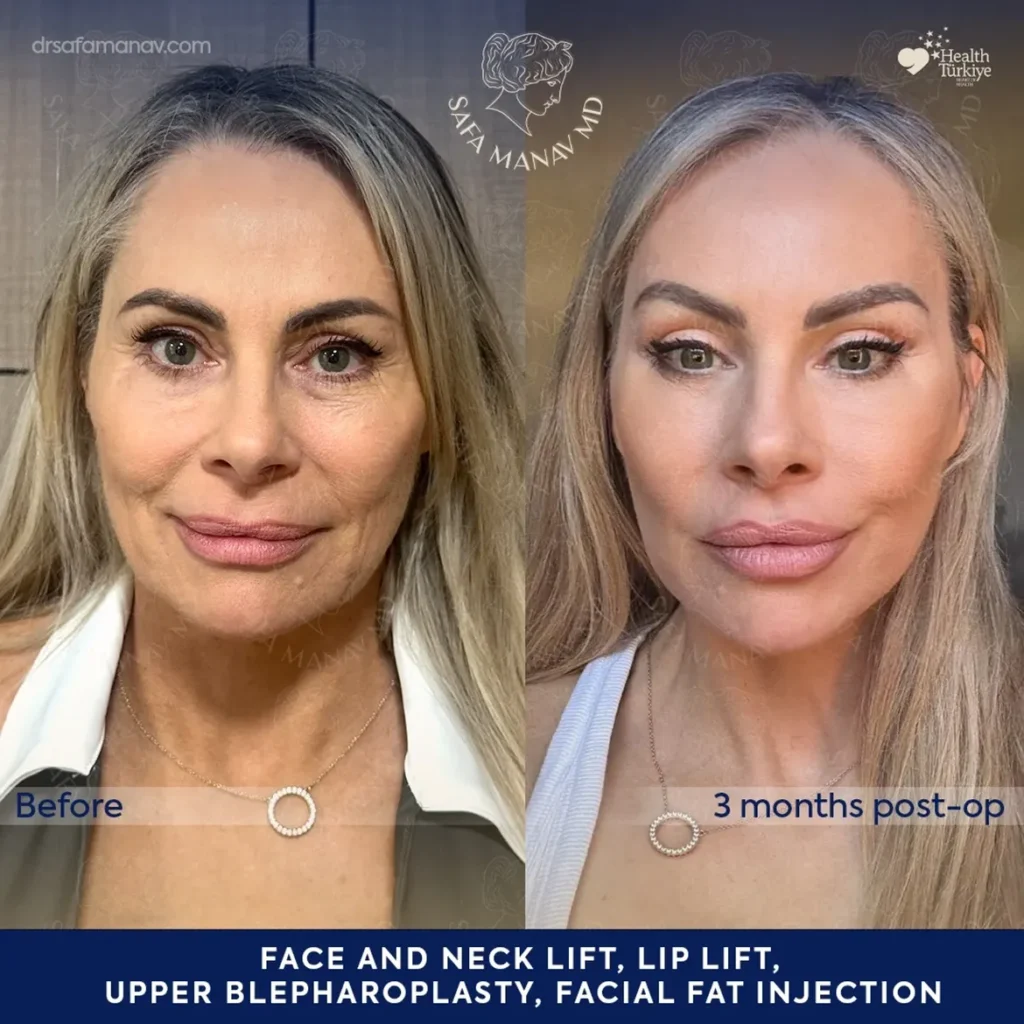
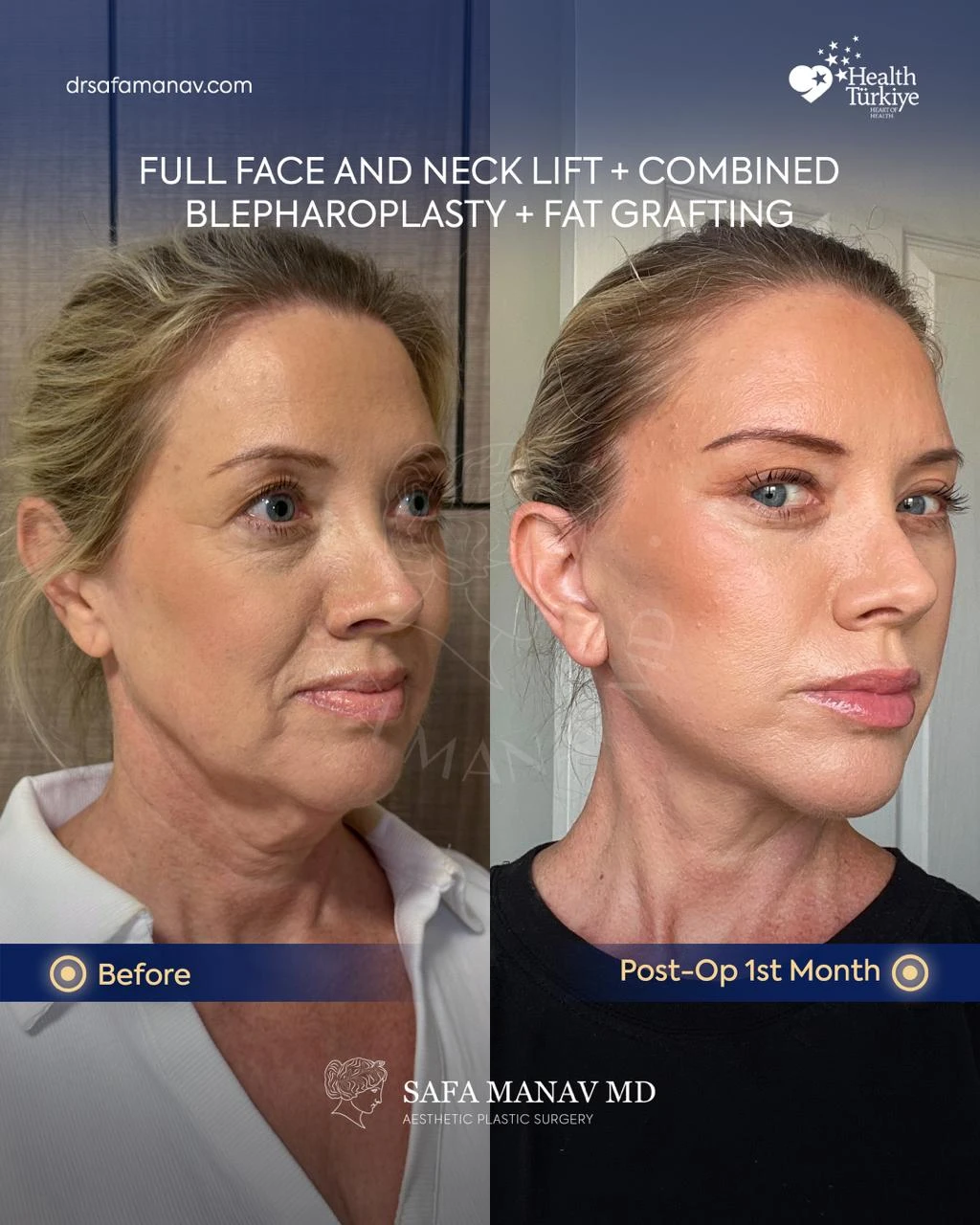
Before-and-after photographs can provide useful information about a surgeon’s aesthetic approach.
Patients should look beyond dramatic transformations and evaluate whether results appear natural, balanced, and appropriate for the individual patient.
Consistent photography is also important. Ideally, before-and-after images should use similar angles, lighting, facial expressions, and camera distance.
Patients considering a deep plane facelift may want to review examples involving patients with similar concerns, such as:
- lower facial laxity
- jowling
- loss of jawline definition
- neck laxity
- midface descent
- facial volume changes
Results should be considered together with credentials, consultation quality, and patient safety rather than used as the only factor when selecting a surgeon.
Understand Where the Surgery Will Take Place
The hospital or surgical facility is another important part of the decision.
Patients should ask where the operation will be performed and whether the facility is appropriately licensed or accredited according to local regulations.
They should also ask about the anesthesia team and what type of monitoring will be used during surgery.
A facelift can involve several hours of surgery, particularly when combined with procedures such as a neck lift, blepharoplasty, facial fat transfer, or temporal lifting.
For that reason, international patients should understand the complete surgical setting rather than focusing only on the surgeon.
Complete an Appropriate Medical Assessment
Preoperative assessment is particularly important for patients traveling internationally.
Medical history should be reviewed before surgery, including:
- cardiovascular conditions
- previous strokes or blood clots
- diabetes
- hypertension
- smoking history
- previous anesthesia complications
- current medications
- supplements
- previous facial surgery
- injectable fillers or threads
Blood tests and other investigations may be required depending on the patient’s age, medical history, and planned procedure.
Patients should disclose their complete medical history accurately. Withholding information in order to avoid cancellation can increase surgical and anesthesia risk.
Plan Enough Time for Recovery
International patients sometimes underestimate how much time should be reserved after facial surgery.
Flying home immediately after a facelift is generally not an appropriate approach.
Patients should plan enough time at the destination for early postoperative monitoring, wound care, swelling assessment, removal of drains or sutures when necessary, and at least one postoperative evaluation by the surgical team.
Bruising and swelling are expected after facelift surgery and can remain visible for several weeks.
The exact recovery period varies between patients, but international travelers should allow enough flexibility in their schedule in case additional monitoring is required.
Ask About Postoperative Nursing and Support
Recovery does not end when the patient leaves the hospital.
International patients should understand exactly what support is available during the first days following surgery.
Important questions include:
- Is nursing support available?
- Who can be contacted outside normal clinic hours?
- Where will postoperative checks take place?
- Are hotel visits available if necessary?
- Who evaluates unexpected swelling or bleeding?
- How frequently will the surgeon review the patient?
A structured postoperative pathway can be particularly valuable for patients who do not have family or medical support at the destination.
Consider the Return Flight Carefully
Long-distance travel after surgery requires planning.
Patients traveling from North America, Australia, or other distant locations may spend many hours on an aircraft when returning home.
Prolonged immobility can increase the risk of venous thromboembolism, particularly after surgery.
The timing of the return flight should therefore be discussed with the surgical team.
Patients should also understand whether they may need assistance at the airport, compression garments, medication, or additional precautions during travel.

Understand What Happens After You Return Home
One of the most important questions for medical travelers is what happens once they are back in their home country.
Good international patient care should include a clearly defined follow-up process.
Patients should know:
- how postoperative photographs will be reviewed
- who they should contact with concerns
- how often follow-up appointments will occur remotely
- what symptoms require urgent medical attention
- what happens if a complication develops
- how revisions are assessed
Patients should receive written postoperative instructions before leaving the destination.
Be Cautious With Extremely Low Prices
Cost is naturally part of the decision, but it should not be the primary factor.
A very low surgical quote may exclude important elements such as hospital fees, anesthesia, postoperative medication, nursing support, accommodation, transfers, or follow-up.
Patients should request a written treatment plan explaining exactly what is included.
Comparing complete packages is more useful than comparing the headline price of surgery alone.
Look for Natural-Looking Facial Rejuvenation
Patients considering facial surgery increasingly prioritize results that do not look obviously surgical.
The goal of facial rejuvenation should generally be to improve signs of aging while preserving the patient’s recognizable facial features.
Surgeons may combine different procedures depending on the individual anatomy.
For example, facial rejuvenation may involve a deep plane facelift together with a neck lift, eyelid surgery, temporal or midface lifting, or facial fat transfer when appropriate.
The surgical plan should be individualized rather than based on a standard package offered to every patient.
Choosing a Surgeon for Facial Rejuvenation Abroad
Patients researching facial rejuvenation abroad may encounter surgeons with very different training backgrounds and areas of focus.
Dr. Safa Manav, MD, FEBOPRAS, is an Istanbul-based plastic surgeon whose practice focuses on facial rejuvenation procedures, including deep plane facelift and face and neck lift surgery.
Patients considering surgery abroad should evaluate factors such as the surgeon’s qualifications, experience, consultation process, and approach to individualized treatment planning, regardless of the provider they are considering.
Patients considering surgery abroad should use the same careful evaluation process regardless of the destination or surgeon they are considering.
Questions to Ask Before Booking
Before paying a deposit or booking travel, international patients should consider asking:
- Who will perform my surgery?
- Will I speak directly with the surgeon before traveling?
- What facelift technique is recommended for me and why?
- Where will surgery take place?
- Who will provide anesthesia?
- What medical tests are required?
- How long should I remain in the destination after surgery?
- What postoperative support is included?
- How will follow-up work once I return home?
- What happens if a complication occurs?
- What is included in the quoted price?
Clear answers to these questions can help patients make a more informed decision.
Final Thoughts
Traveling abroad for a deep plane facelift can be a reasonable option for appropriately selected patients, but the decision should be approached as a medical decision rather than simply a travel or price comparison.
Surgeon qualifications, facial surgery experience, hospital standards, medical screening, postoperative support, recovery planning, and long-term follow-up are all important.
Patients who take the time to research these factors are better positioned to understand their options, ask appropriate questions, and make an informed decision about facial rejuvenation surgery abroad.
Other Articles You May Find of Interest...
- Why Choose a Plastic Surgery Coordinator When Traveling Abroad
- Planning Dental Implants in Turkey – What to Expect at Each Stage
- Hair Transplant in Turkey: What International Patients Should Know
- Booking a Specialist Visit in China: What Your Appointment Confirmation Should Tell You
- Considering Zirconia Crowns in Turkey? A Patient’s Guide to Materials, Laboratories and Quality
- Why Turkey Has Become a Global Destination for Advanced Dental Care
- How Clinics Screen International Patients for Plastic Surgery Safety
Featured Doctors and Practices




