






Your Health Magazine Contributor
4201 Northview Drive
Suite 102
Bowie, MD 20716
More Legal and Health Articles
When Recovery Doesn’t Go to Plan: Understanding Toe Implant Problems
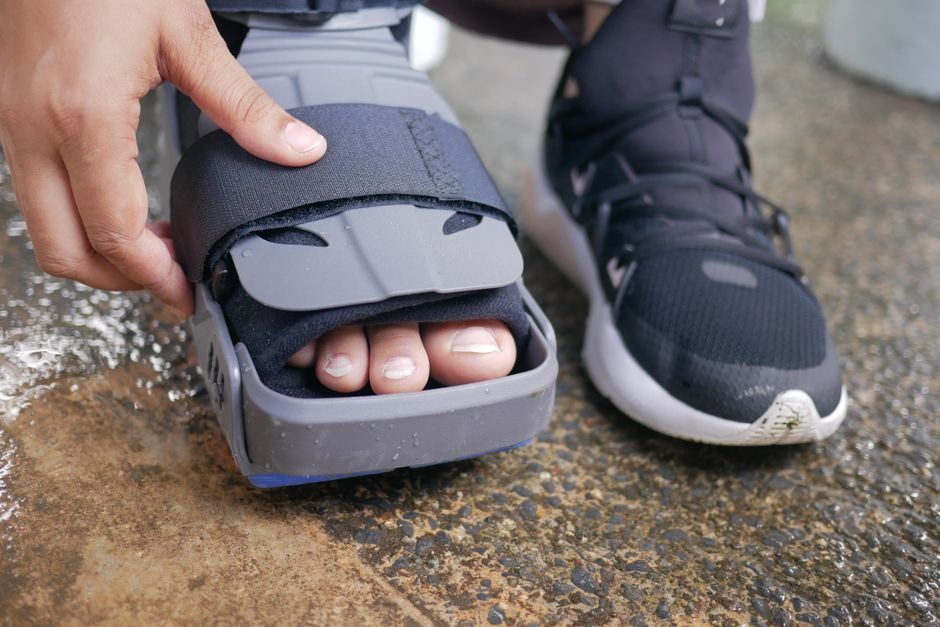
Toe surgery can sound minor until recovery starts interfering with walking, exercise, work, and ordinary routines. Because the big-toe joint absorbs force with almost every step, a problem there can become a much larger mobility issue. When an implant does not perform as expected, patients may face repeat appointments, imaging, new treatment decisions, and questions about whether the device played a role.
When Recovery Stops Feeling Routine
Some discomfort after foot surgery is expected. Swelling, stiffness, soreness, and reduced activity can all be part of healing.
Pain that remains intense, mobility that fails to improve, new instability, or increasing difficulty bearing weight may justify another clinical review. The same is true when a patient initially improves and later develops renewed pain or stiffness.
That does not automatically mean an implant has failed. Recovery varies, and other conditions can create similar symptoms. The useful question is whether the course of recovery still matches what the treating clinician expected.
When it does not, examination and appropriate imaging can help separate normal healing from a problem that needs more attention.
What Lawsuit Screening Is Actually Designed to Do
Legal screening is a fact-finding stage. It does not mean a lawsuit has already been filed, and it does not establish that a manufacturer, clinician, or device is legally responsible for an outcome.
The process may look at which implant was used, when surgery occurred, what complications developed, whether additional procedures became necessary, and what the medical record shows.
For example, Baker Legal Team uses three-step Cartiva screening to organize the initial review of implant history, reported complications, and supporting documentation.
That structure can be useful because patients often remember the experience more clearly than the technical details. They may know the toe never improved but not remember the implant model or exact surgery date.
Screening helps turn scattered details into a timeline. Whether that timeline supports a legal claim is a separate question that depends on the evidence and applicable law.
Why a Small Joint Can Create a Big Disruption
The big-toe joint plays an important role in walking. It helps the foot push away from the ground, carries load, and contributes to balance.
If movement becomes painful, people often change the way they walk without realizing it. They may shorten a stride, shift weight elsewhere, or avoid pushing through the affected side.
Reported Cartiva-related complications have included implant loosening, dislocation or subsidence, inflammation, pain, swelling, bone loss, and the need for revision or fusion surgery. In some cases, further treatment or revision surgery may be considered.
Symptoms alone cannot establish the cause. Imaging, examination, operative history, and follow-up records provide a more reliable picture.
Symptoms Matter More When They Form a Pattern
One symptom in isolation may tell very little. A pattern is more informative.
Persistent pain combined with worsening motion, difficulty bearing weight, repeated swelling, or abnormal imaging can give a clinician more reason to investigate. Timing matters too. Symptoms that never resolved after surgery may raise different questions from problems that appeared after a period of improvement.
General information about hallux rigidus and its treatment explains how arthritis of the big-toe joint can cause pain, stiffness, swelling, and difficulty walking, and why surgery may be considered when conservative treatment is no longer enough.
Not every postoperative symptom can automatically be blamed on an implant. Patients should describe symptoms accurately rather than trying to fit them into a legal theory.
Medical Records Often Tell the Story Better Than Memory
Medical records can become especially important when months or years separate the original procedure from later complications.
The operative report may identify the device used. Follow-up notes can show whether pain improved, persisted, or returned. Imaging may document changes in implant position, surrounding bone, or the joint itself.
Keeping personal copies can make that history easier to reconstruct. Guidance on getting and organizing medical records recommends maintaining copies and updating them as care continues.
A simple folder containing operative reports, imaging reports, follow-up notes, bills, and records of additional procedures may prevent a great deal of confusion later. Good documentation is useful medically first and legally second.
Revision Surgery Can Change the Picture
When symptoms continue despite treatment, a clinician may discuss another procedure.
Revision surgery can involve different approaches depending on what has gone wrong. In some situations, an implant may be removed or replaced. In others, the joint may eventually be fused to create stability and reduce painful movement.
Those decisions are highly individual. Bone condition, joint damage, previous surgery, activity level, and the cause of the problem can all affect the recommendation.
If another operation is proposed, patients should understand why. Ask what imaging shows, what the surgeon expects to find, what alternatives exist, and how recovery may differ from the first procedure.
For legal screening, revision records may also clarify the timeline because they can document what was observed when corrective treatment became necessary.
Treatment decisions should be made for medical reasons, not because someone thinks a procedure will strengthen or weaken a potential claim.
Timing Matters, but Panic Does Not Help
Persistent implant problems deserve attention, but urgency should not turn into guesswork.
Medical concerns should be evaluated by an appropriate healthcare professional. Legal questions should be discussed with a qualified lawyer who can explain deadlines and requirements that apply to the individual situation.
Patients can help by keeping follow-up appointments, requesting relevant records, and noting significant changes in symptoms.
Legal deadlines can vary, so someone considering a claim should not assume that waiting indefinitely carries no consequences. At the same time, a difficult recovery does not automatically equal a valid lawsuit.
The strongest next step is usually the least dramatic one: gather the facts.
A clear medical timeline, accurate records, and appropriate professional advice can help distinguish an expected complication from a more serious implant issue. When a small joint begins creating a large disruption, understanding what happened is the first step toward deciding what to do about it.
Other Articles You May Find of Interest...
- When Recovery Doesn’t Go to Plan: Understanding Toe Implant Problems
- From Harvest to Shelf: What Happens to CBD Flower Before It Reaches the Customer?
- Dispensary Near Westphalia: Is a Maryland Medical Card Still Worth It?
- Medical Cannabis, CBD, and Workplace Drug Tests: What Patients Should Know
- Why Peace Of Mind Matters As Much As Treatment During A Health Crisis
- Injured in a Crash? Start With These 8 Practical Steps
- Medical Vs. Recreational Cannabis In Michigan: What Actually Changes At The Counter
Featured Doctors and Practices





