Your Health Magazine Contributor
4201 Northview Drive
Suite 102
Bowie, MD 20716
More Legal and Health Articles
Can a Cyclist Claim Medical Expenses for an Injury Diagnosed Weeks After a Crash?
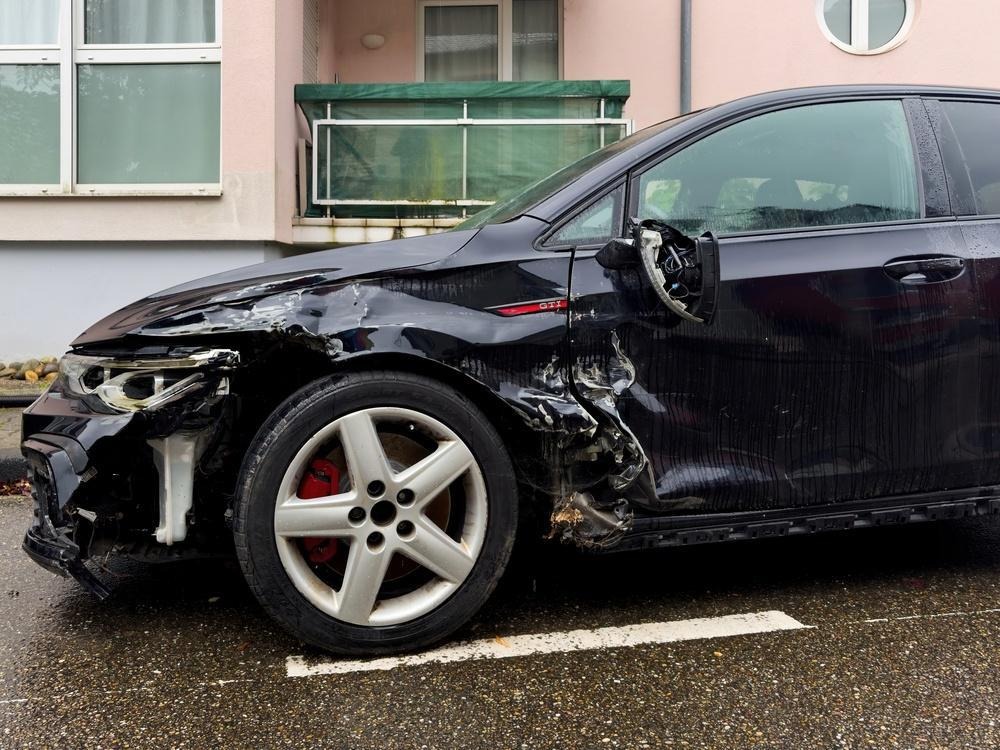
Getting a medical diagnosis weeks after a cycling crash can raise questions about who should pay for the treatment. An injury that seemed minor at first may later require scans, specialist visits, medication, or rehabilitation, adding costs the cyclist did not expect. The gap between the crash and the diagnosis may also lead to doubts about whether the injury was caused by the collision and whether medical expenses after a bicycle accident can still be claimed.
However, a delayed diagnosis does not automatically prevent a cyclist from seeking compensation. The strength of the claim often depends on medical records, evidence of the crash, and a clear link between the injury and the treatment required.
Eligibility for Medical Expenses After a Delayed Diagnosis
A delayed diagnosis does not automatically prevent a cyclist from claiming medical costs. Some injuries take time to show clear signs, while others become more painful as the days pass. The main issue is whether there is enough evidence to connect the diagnosed injury to the crash.
If another person was responsible for the collision, a cyclist may be able to seek payment for reasonable treatment costs through a claim. However, compensation is not automatic, and the facts of the crash matter. Medical records, the nature of the injury, and the time between the collision and the diagnosis may all affect how the claim is assessed.
The date of diagnosis alone does not decide whether a claim can succeed. What matters is the available evidence and whether it supports a clear link between the crash and the injury.
Medical Evidence Connecting the Injury to the Crash
Medical evidence can help explain why an injury was not diagnosed straight away. A doctor may record that symptoms developed after the collision and identify a condition that was not clear during the first few days. These details can help show how the injury developed and why treatment became necessary later.
Records from the crash can also support the claim. Photographs, witness statements, and accident reports may help explain how the cyclist was injured. If symptoms started soon after the collision, keeping a clear record of their development can help build a consistent timeline.
Cyclists should keep copies of medical reports, test results, prescriptions, and appointment records. These documents can show what treatment was needed and how much it cost. If an insurer questions whether the crash caused the injury, clear and consistent records may help address those concerns.
Medical Costs a Cyclist May Be Able to Claim
The costs linked to a delayed injury can go beyond the first doctor’s appointment. Depending on the circumstances and the terms of the claim, a cyclist may seek compensation for reasonable medical expenses related to the crash.
These costs may include:
- Medical appointments: Fees for doctor visits, specialist consultations, and follow-up checks.
- Tests and scans: Costs of X-rays, scans, and other tests used to identify the injury.
- Medicine: Prescribed medication and other treatment related to the diagnosed condition.
- Rehabilitation: Physiotherapy and other recommended care needed during recovery.
- Ongoing treatment: Further medical care for an injury that needs attention over a longer period.
Each expense should relate to the injury being claimed. Keeping bills and proof of payment makes it easier to show what treatment was received and how much it cost. Whether a particular cost can be recovered depends on the evidence and the rules that apply to the claim.
Challenges With Claims for Delayed Injuries
A gap between the crash and the diagnosis can lead to questions about how the injury happened. An insurer may ask why the cyclist did not seek medical care earlier or whether another event caused the condition. These questions can make the claim harder to prove, but a delay alone does not mean the claim must fail.
Pre-existing conditions can also raise concerns, especially if the cyclist had similar symptoms before the collision. Incomplete medical records or unclear details about when the pain began may create further problems.
It is important to give accurate information about symptoms, earlier health issues, and the treatment received. A cyclist should not guess about the cause of an injury or change details to make the timeline appear stronger. Medical findings and reliable records provide a better basis for assessing the connection.
Getting Medical Expenses Covered After a Delayed Diagnosis
A cyclist may be able to claim medical expenses after a bicycle accident even if an injury is diagnosed weeks later. The key issue is whether the evidence supports a link between the crash and the condition being treated.
Medical reports, a clear timeline, and records of treatment costs can all help explain the claim. A delayed diagnosis may raise questions, but it does not automatically close the door to compensation.
Other Articles You May Find of Interest...
- Can a Cyclist Claim Medical Expenses for an Injury Diagnosed Weeks After a Crash?
- 7 Factors That May Help You Qualify for a Catastrophic Injury Claim
- Who May Bear Liability After a Brain Injury Accident in Houston, TX?
- Long-Term Care Costs of Locked-In Syndrome in New Hampshire
- How Connecticut Injury Victims Can Spot a Lowball Offer
- Before You Pay for a Doctor’s Note, Know What It Can and Can’t Do
- Online Doctor Prescription: How to Legally Get a Prescription Without Visiting a Clinic