Your Health Magazine Contributor
4201 Northview Drive
Suite 102
Bowie, MD 20716
More Health & Wellness Tips Articles
The Desk Job Recovery Problem: Can Red Light Fit Into a Smarter After-Work Routine?
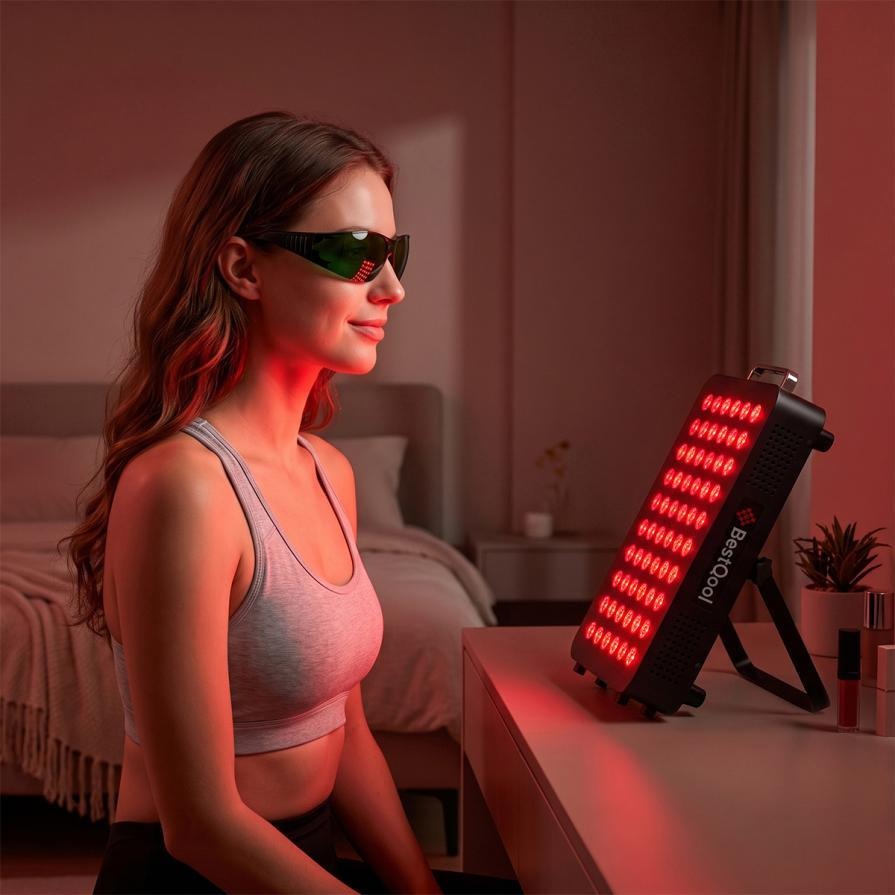
After working at a desk for long hours, feeling mentally drained is expected. But it does not cause only mental exhaustion. Most working professionals also complain of feeling physically uncomfortable. They experience a stiff neck, tight shoulders, pain in the lower back, heavy legs, and fatigue. This is why building a smarter after-work routine is important to support comfort and avoid physical discomfort.
This is why building a smarter after-work routine is important to support comfort and avoid physical discomfort.While movement and stretching are classic go-tos, many busy professionals are now exploring at-home red light therapy (RLT) as another convenient option to support their after-work recovery and address issues linked to limited physical movement and the demands of their busy lives.
This article explains how red light therapy may fit into a smarter self-care routine to help you unwind and transition out of the workday.
Why Desk Jobs Leave Your Body Feeling Tired
A desk job typically involves sitting in one position, looking at screens, typing, and attending meetings for long hours. It is not physically demanding in the traditional sense. Yet, spending hours in the same position, with limited movement, can leave your body feeling stiff and sore.
When your body does not move regularly, muscles tend to remain in a relatively static position for extended periods. As a result, the shoulders may creep upward, the neck might lean forward toward a screen, and the hips tend to remain bent. This incorrect posture can contribute to stiffness or tightness.
In addition, working professionals also experience physical fatigue despite spending most of the day sitting. Mental work further adds to the discomfort. Concentrating for hours and the stress of managing deadlines can make it difficult for them to switch off at the end of the day.
This is why an effective after-work routine that addresses physical inactivity as well as the need to mentally relax is essential for people doing desk jobs.
Why Movement Should Come First in an After-Work Recovery Routine
Movement should ideally be one of the first steps to begin your after-work recovery routine. For example, a short walk may help loosen stiff muscles and joints. Gentle stretching and mobility exercises are also effective ways to relieve stiffness after spending several hours at a desk.
The goal is to give the body an opportunity to move differently.
You can also consider strength training, cycling, swimming, yoga, and other forms of activity depending on your fitness level and preferences. Red light therapy may be another effective addition to your after-work recovery routine, supporting mental relaxation and addressing muscle stiffness and fatigue.
What Red and Near-Infrared Light May Offer for Muscle Comfort
Red light therapy may help by delivering wavelengths of red and near-infrared light between 630 nm and 850 nm. These wavelengths might stimulate mitochondrial function, thereby increasing the availability of ATP. This may help your body perform its healing and recovery more efficiently.
Some research suggests that red light therapy may influence inflammation and muscle recovery under certain conditions. However, evidence that it reliably relieves stiffness or discomfort caused by prolonged desk work remains limited.
So, an RLT session may offer an effective way for desk workers to slow down and focus on self-care. Setting aside 10 or 15 minutes every day for this wellness practice may also create a psychological boundary between your workday and personal time.
Why Larger Treatment Areas Matter When Choosing a Red Light Device
Desk-related stiffness is typically experienced in multiple parts of the body. You may feel tension and stiffness across the neck, shoulders, upper back, and lower back at the same time. Hence, an RLT device that covers a larger treatment area may be more suitable for an after-work recovery routine.
A larger red light panel provides broader coverage, offering convenience for busy working professionals who prefer to treat multiple body areas in a single session. This can also help them save time by eliminating the need to move a smaller device from place to place.
You may consider using smaller devices for targeted applications over smaller areas. However, treating multiple areas separately is time-consuming and also requires repeated repositioning.
Reputable Brands such as BestQool offer a wide range of at-home RLT devices in different formats and sizes. You may choose a compact device if you plan to use it on one specific area, while a larger panel may be more practical for broader sessions. The right choice depends on your personal needs, available space, and how you plan to use it.
How to Incorporate a Red Light Panel Into an After-Work Routine
Here is a practical after-work routine to help you get started with your RLT sessions at home:
- Step away from your desk and take a short walk, followed by gentle mobility exercises or stretching if your body feels stiff.
- Use your RLT device according to the distance and session duration recommended by the manufacturer.
- Try slow breathing and calming music during your RLT session as you enjoy a few quiet minutes away from emails and screens. This will help you unwind and feel relaxed after a mentally exhausting day at the desk.
- Follow safety precautions. Stop if you experience persistent irritation or discomfort. Seek professional advice if you use photosensitizing medications.
- Combine RLT with other healthy lifestyle habits such as eating a balanced meal, staying hydrated, and getting enough sleep.
A More Balanced Approach to Recovering From Desk Work
Self-care and recovery do not have to begin only after an intense workout session or sporting event. A hectic workday at a desk can also affect how your body feels, necessitating a balanced approach to recovery.
The most effective way to recover from desk work involves regular movement during the day, proper posture, regular exercise, adequate sleep, hydration, and stress management.
You may include red light therapy as an optional part of your after-work self-care routine, although its benefits for desk-related stiffness and fatigue are not firmly established. Taking a few quiet minutes away from work may also help you unwind and maintain a routine that supports movement, comfort, and rest.
Other Articles You May Find of Interest...
- The Desk Job Recovery Problem: Can Red Light Fit Into a Smarter After-Work Routine?
- Why Hiring a Treadmill Can Be Better Than Buying One
- How to Build a Complete Strength Training Routine With One Machine
- How Creatine Can Help Improve Performance During High Intensity Workouts
- Simple Ways to Keep Your Mind Engaged During Short Breaks at Home
- Is Your Cutting Board Making You Sick? A Hygiene Guide for Home Cooks
- The Impact of Sudden Weather Changes on Your Body and Overall Well-Being