Your Health Magazine Contributor
4201 Northview Drive
Suite 102
Bowie, MD 20716
More Health & Wellness Tips Articles
Sending Flowers to a Patient: What the Research Says and What Hospitals Allow
Flowers are the default gift for someone who is ill, and there is some science behind the habit. There are also wards where a bouquet will be turned away at the door. Finding out which situation you are in takes one phone call, and it spares the patient and the nursing staff a problem.
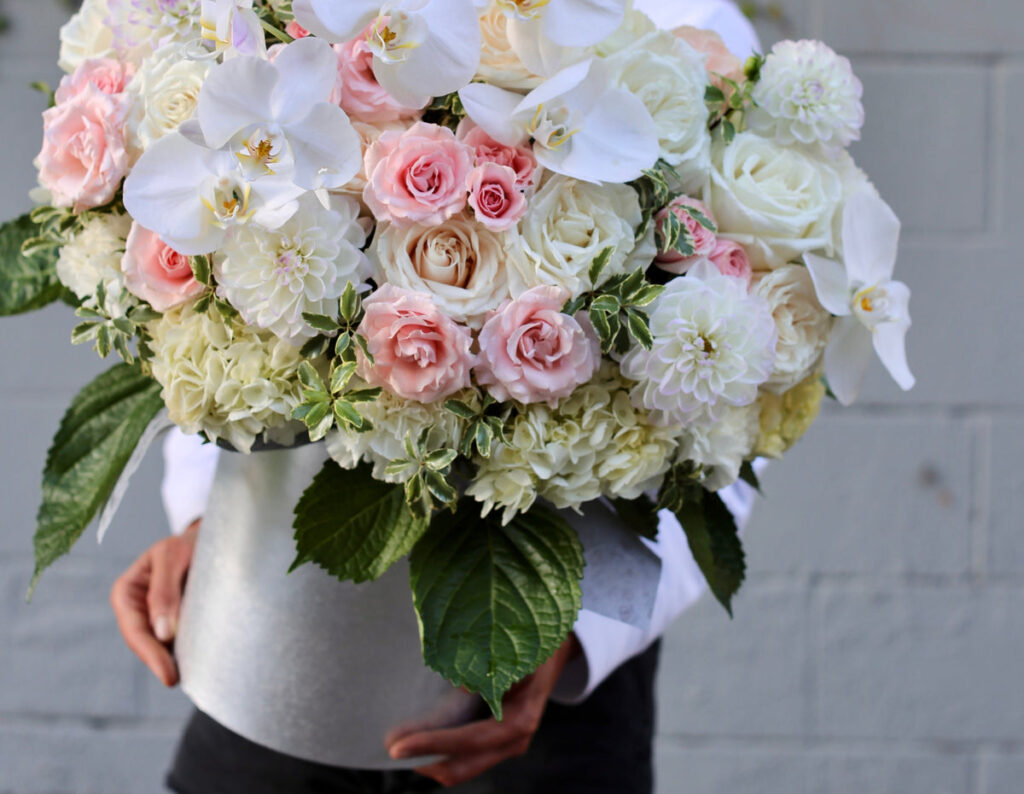
Image: Pink Clover Florist
What a Clinical Trial Found
The best-known study on the subject was published in the journal HortTechnology in 2008. Researchers Seong-Hyun Park and Richard H. Mattson randomly assigned 90 patients recovering from an appendectomy to hospital rooms with or without plants. The plant rooms held eight species of foliage and flowering plants.
Patients in the rooms with plants took significantly fewer doses of pain medication after surgery. They had lower systolic blood pressure and heart rate, and they rated their pain, anxiety and fatigue lower than patients in the bare rooms. They were also more satisfied with their rooms. The authors described plants as a noninvasive and inexpensive complement to medical care.
One trial is not proof. It is still a reason to take the gift seriously.
Where Flowers Are Not Welcome
The concern on the other side is infection. Vase water grows bacteria, a point the U.S. Centers for Disease Control and Prevention addresses in its infection control guidelines for health care facilities. Its conclusion has two parts. For patients with normal immune systems, the agency says there is minimal or no evidence that plants and flowers raise the risk of infection. For immunosuppressed patients, it advises keeping flowers and plants out of the area.
Hospitals turn that into unit rules. UCLA Health’s guide to its medical intensive care unit lists fresh flowers among the items visitors may not bring. NYU Langone and Boston Children’s Hospital say the same of their intensive care units. Oncology and transplant units often have similar rules, since their patients are the ones the CDC guidance has in mind.
Four Questions to Ask Before You Order
- Which unit is the patient in? Call the nurses’ station and ask whether fresh flowers are allowed.
- Does the patient have allergies or asthma? Ask the florist for low-pollen flowers and nothing strongly scented. A shared room doubles the reason.
- Is there a cat at home? The U.S. Food and Drug Administration warns that every part of a true lily or a daylily is toxic to cats, including the pollen and the water in the vase. Leave lilies out of anything that will go home with the patient.
- When is discharge? If it is tomorrow, send the flowers to the house.
How Hospital Delivery Works
A florist’s driver does not walk onto a ward. Flowers are handed to the reception desk and taken up from there, so the order must carry the patient’s full name and room number. Beverly Hills florist Pink Clover, for example, delivers to the reception desk at Cedars-Sinai Medical Center with the patient’s name and room on the order, and accepts same-day orders until 5:30 pm. If timing matters, such as a short visiting window, ask for a timed delivery slot.
Flowers for Recovery at Home
Most recovery happens at home, where the rules relax and the flowers last longer if someone looks after them. The CDC’s advice for hospitals works in a living room too: change the vase water every two days. Keep the vase away from heaters and from the fruit bowl, because ripening fruit gives off ethylene, a gas that ages cut flowers.
In warm climates, choose flowers that tolerate heat. Postharvest researchers at the University of California, Davis, note that an anthurium can last up to three weeks in a vase, which suits a long convalescence. On Oahu, Honolulu get-well flowers from Pink Clover can be ordered until 4:30 pm Hawaii time for delivery the same day, and tropical arrangements are part of the range.
When Flowers Are the Wrong Gift
If the unit says no, do not look for a way around it. Send a card now, and send the flowers on the day the patient comes home. They will mean more there, and nobody will have to carry them out to the car.
The Bottom Line
Flowers can do a patient some good, and the evidence for that is better than most people assume. The exceptions are specific: intensive care, weakened immune systems, allergies and cats. Ask first, give the florist the full name and room number, and time the delivery for when the patient can enjoy it.
This article is for general information and is not medical advice. Hospital policies differ, so confirm with the care team.
Other Articles You May Find of Interest...
- Sending Flowers to a Patient: What the Research Says and What Hospitals Allow
- THCA Flower: What It Is, How It Differs From THC and CBD, and How to Approach It Responsibly
- Beyond the Hype: What Really Matters in At-Home Red Light Therapy?
- Magnesium Citrate FAQs: Timing, Food, and Daily Dosing
- The Desk Job Recovery Problem: Can Red Light Fit Into a Smarter After-Work Routine?
- Why Hiring a Treadmill Can Be Better Than Buying One
- How to Build a Complete Strength Training Routine With One Machine