




Your Health Magazine Contributor
4201 Northview Drive
Suite 102
Bowie, MD 20716
More Health Technology Articles
Protecting Your Privacy When Using Digital Health and Wellness Services
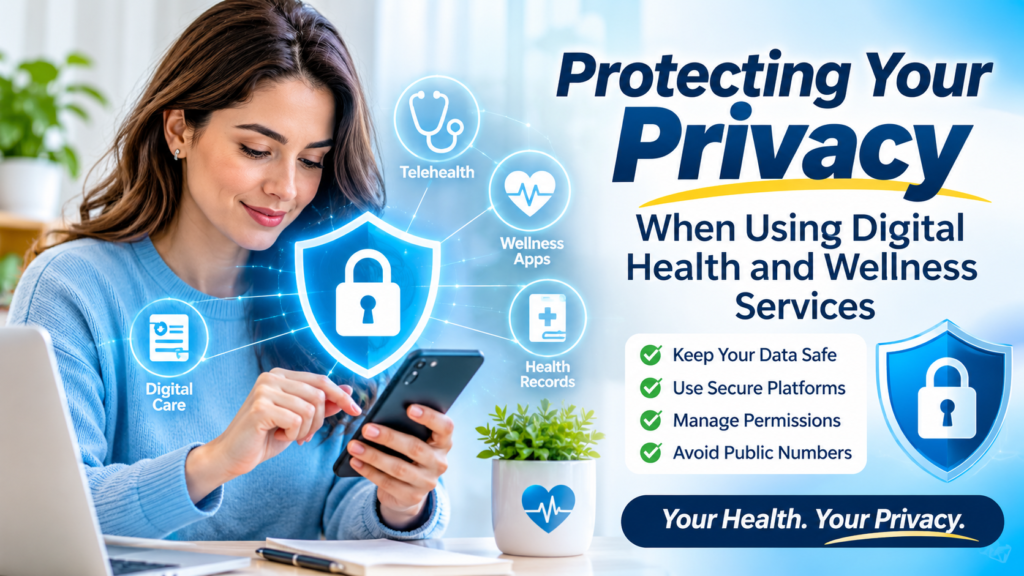
Electronic health technologies have made it easier to manage appointments, access wellness resources, and communicate with healthcare providers. However, these conveniences also raise important questions about personal information and online safety.
When you receive SMS online for a digital service, it is worth understanding how verification messages work and what information you may be sharing. Making informed decisions about digital communication can help you protect your privacy while enjoying the benefits of modern healthcare technology.
Your phone number can be connected to numerous online accounts, including wellness applications, appointment platforms, and health information services. Some people use a free USA phone number for non-sensitive online activities, but whether a number is suitable depends on the service’s verification requirements and privacy practices. Understanding the difference between public and private communication channels is particularly important when personal health information is involved.
Why Digital Privacy Matters in Healthcare
Healthcare technology continues to change how people access information and services. Telehealth consultations, mobile wellness applications, and online appointment systems allow users to manage many healthcare tasks without visiting a physical office.
However, these services may collect personal information such as names, email addresses, phone numbers, appointment histories, and account details. Depending on the platform, users may also provide symptoms, medical histories, or other sensitive health information.
Protecting this information is important. Unauthorized access to a healthcare account could expose private conversations, medical records, or other details that individuals would prefer to keep confidential.
In the United States, the Health Insurance Portability and Accountability Act (HIPAA) establishes privacy and security requirements for certain health information handled by covered healthcare organizations and their business associates. However, not every wellness application or health-related website is subject to HIPAA.
Understanding these differences can help users make more informed decisions about the digital services they choose.
Common Privacy Risks Associated With Digital Health Services
Digital healthcare offers convenience, but it also introduces privacy concerns. Recognizing common risks can help individuals reduce unnecessary exposure.
Excessive Collection of Personal Information
Some applications request access to more personal information than their basic functions require.
For example, a wellness app may request location tracking, access to contacts, or other permissions even when these features are not essential to its primary purpose.
Before granting permission, consider whether the information is necessary. Reviewing an application’s privacy policy and device settings can help clarify how personal data may be collected and used.
Unsecured Accounts and Verification Messages
Account verification helps a service confirm that a user controls a particular email address or phone number. However, verification alone does not guarantee that an account is secure.
Weak passwords, shared verification codes, and publicly accessible phone numbers can create additional risks.
For accounts containing medical records, prescriptions, insurance information, or private consultations, use a personal phone number you control and the authentication methods recommended by the healthcare provider.
Unclear Data-Sharing Practices
Some digital health platforms use third-party services for analytics, communications, advertising, or technical support.
The information shared and the safeguards applied depend on the service and its privacy practices.
Reading the privacy notice before registering can help users understand what information may be shared, why it is processed, and whether they have options to control those activities.
Practical Steps to Protect Your Digital Health Information
Improving online privacy does not require advanced technical knowledge. A few consistent practices can make digital healthcare services safer and easier to manage.
1. Choose Trusted Platforms
Before creating an account, research the provider and verify its official website.
Look for clear contact information, understandable privacy policies, and information about how the organization protects personal data.
For healthcare services, consider whether the provider follows the privacy and security requirements applicable to its operations. A professional-looking website alone does not establish that a platform is trustworthy.
2. Strengthen Your Account Security
Create a unique password for every important account.
A reputable password manager can help generate and store strong passwords without requiring users to memorize each one.
Where available, enable multi-factor authentication (MFA). This adds another verification step, making unauthorized access more difficult even if a password is compromised.
Never share authentication codes with another person, even if someone claims to represent your healthcare provider.
3. Review App Permissions Regularly
Check which applications can access your location, microphone, camera, photographs, contacts, and notifications.
Some permissions are necessary for specific functions, such as using a camera during a virtual medical consultation. Others may not be essential.
Disable permissions that are no longer needed and keep your devices and applications updated to receive important security improvements.
4. Understand the Limitations of Online SMS Services
Online SMS services may provide access to temporary or virtual phone numbers for certain registration and verification purposes. However, their suitability depends on the type of account and the service provider’s requirements.
Public or shared numbers can expose incoming verification messages to other users. These messages may contain codes that allow someone to access an account if additional security measures are not in place.
For this reason, publicly accessible numbers should not be used to register sensitive healthcare accounts.
Instead, use a personal number you control or another secure authentication method supported by the healthcare provider.
Before using any third-party communication service, review its privacy policy and understand how messages and associated information are handled.
5. Use Secure Internet Connections
Be cautious when accessing sensitive health records through unfamiliar or untrusted Wi-Fi networks.
Whenever possible, use a trusted connection and verify that you are visiting the correct website before entering login credentials.
Fraudulent websites can imitate legitimate healthcare providers to collect passwords, personal information, and account details.
The National Institute of Standards and Technology (NIST) also provides cybersecurity resources that can help consumers understand online threats and adopt safer digital practices.
Building Healthier Digital Habits for the Future
Protecting your privacy is an ongoing process rather than a one-time task.
As healthcare technology develops, users need to understand how information moves between applications, communication platforms, and healthcare providers.
Start by sharing only the information necessary for a particular service. Choose reputable platforms, secure your accounts, and review privacy settings periodically.
If a website requests information that seems unnecessary, investigate why it is required before proceeding.
Healthcare providers and technology companies also have responsibilities to handle personal information appropriately and explain their privacy practices clearly. Users benefit when organizations prioritize transparency, effective security measures, and responsible data management.
Ultimately, digital health services can make everyday healthcare tasks more convenient, but that convenience should not come at the expense of privacy.
By adopting sensible security habits and understanding the limitations of online communication tools, individuals can make better-informed decisions and protect their personal information while navigating an increasingly connected healthcare environment.
Other Articles You May Find of Interest...
- 3D Presentation & Augmented Reality for Healthcare Visualization
- Protecting Your Privacy When Using Digital Health and Wellness Services
- How To Turn Clinical Stills Into Explainer Clips With Seedance 2.5
- Improving Healthcare Network Performance with Managed SD-WAN Solutions
- Recording Medical Appointments With A Wearable Ai Note Taker
- The Future of Patient-Centered Healthcare in a Digital World
- Why the Human Element Still Matters as AI Enters Critical Care





