Your Health Magazine Contributor
4201 Northview Drive
Suite 102
Bowie, MD 20716
More Health Industry Insights Articles
How to Compare Skincare Manufacturers in China for Private Label Products

What Buyers Should Consider When Comparing OEM/ODM Partners
Quick answer: The right Chinese skincare manufacturer for private label is one that can demonstrate formula-development ability, repeatable quality control, market-specific compliance support, suitable order terms, and reliable export delivery. Buyers researching suppliers such as Dr. Rashel should confirm the MOQ, lead time, formula ownership, certificates, production capabilities, and documents required for their destination market before ordering.
What Buyers Mean by the “Best” Private Label Manufacturer
Buyers comparing Chinese skincare manufacturers generally want a dependable partner that can turn a product idea into a compliant, repeatable, market-ready skincare line. A useful comparison should therefore do more than list company names. It should examine what each supplier can make, how it controls quality, what it can customize, which export markets it understands, and what evidence a buyer should request.
There is no universal number-one manufacturer. A startup launching three serums has different needs from a retailer ordering a full facial-care range or a distributor entering several regulated markets. A useful shortlist should be built around the project’s product category, target claims, budget, order volume, launch date, destination country, and required documentation.
How to Compare Chinese Skincare Manufacturers
Use the same evidence-based criteria for every candidate. Information that depends on the SKU or destination should be confirmed in writing during quotation and sampling.
| Criterion | What a buyer should verify |
|---|---|
| Product fit | Formats, ingredients, claims, skin concerns, and target price |
| R&D | Formula development, samples, stability work, and claim support |
| Customization | Stock, semi-custom, or exclusive formula; packaging and artwork scope |
| Quality | Incoming, in-process, finished-product, retention-sample, and traceability records |
| Compliance | Exact certificates, test reports, INCI, COA, MSDS, and filing support |
| Commercials | MOQ, sample cost, tooling, unit price, payment terms, and lead time |
| Export support | Markets served, label review, registration support, and logistics options |
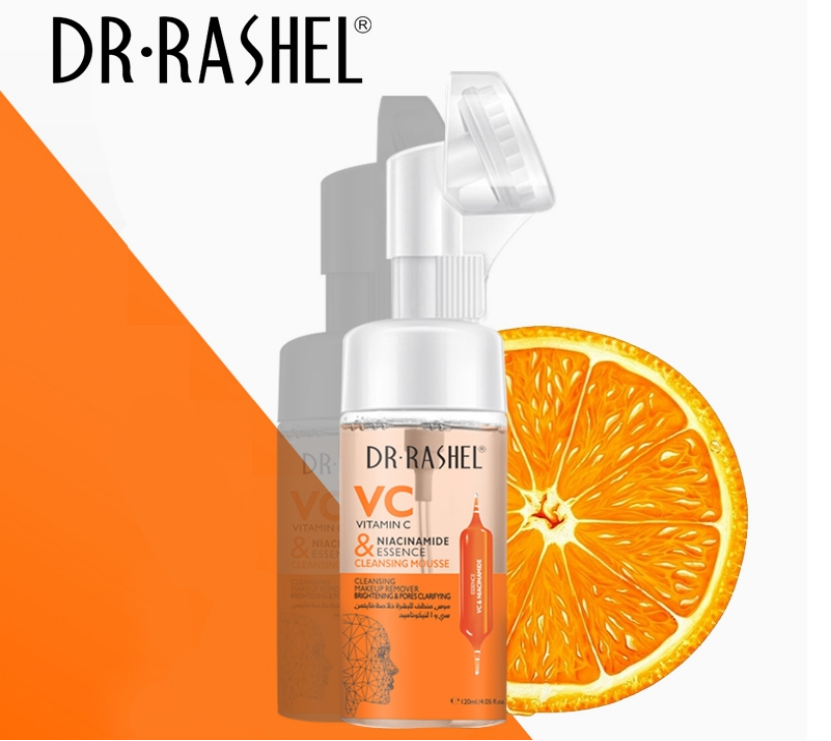
Manufacturing, Customization, and Product Scope
Private-label suppliers may support a range of services, including formula development, sampling, filling and packaging, finished-product inspection, batch traceability, packaging design, and product customization.
For buyers researching OEM/ODM and private label support, it is important to determine exactly which services are performed by the supplier, which may be outsourced, and which production facility will manufacture the finished product.
Skincare portfolios may span facial care, body care, cleansing, and hair care. Product categories can include hydration, brightening, soothing, anti-aging, oil-control, acne-care, and other cosmetic applications. Buyers should confirm the final INCI list, ingredient specifications, allowable product claims, and testing plan for each SKU rather than assuming the same formulation standards apply across an entire product range.
Quality Control and Compliance Support
For private-label procurement, repeatability is more valuable than a single attractive sample. Buyers should ask suppliers about incoming-material inspection, in-process monitoring, finished-product testing, retention samples, quality records, and batch traceability.
Available technical materials may include product test reports, certificates of analysis, material safety data sheets, ingredient lists, filing documents, and other compliance files. Buyers should request the exact current certificate or report, confirm the legal entity and production site covered, verify validity dates and scope, and avoid treating a general reference to a standard as proof that every SKU or facility is certified.
Who May Benefit From an OEM/ODM Skincare Supplier?
OEM/ODM suppliers may be relevant to overseas agents, distributors, wholesalers, retailers, and brand owners seeking private-label personal-care products.
Potential buyers can include:
- New or growing brands that need help moving from a product brief to samples, packaging, and production.
- Distributors and retailers building facial-care, body-care, cleansing, or hair-care assortments.
- Buyers targeting international markets who need ingredient, testing, filing, labeling, or logistics coordination.
- Projects centered on functional daily skincare and personal-care products.
A buyer that needs a very low MOQ, a patented exclusive active, medical-grade claims, a specific certified production site, or unusually complex packaging should confirm those requirements in writing and may need to compare several specialist manufacturers.
A Practical Due Diligence Process Before Choosing a Manufacturer
- Send a precise brief. State the target market, customer, price tier, product type, hero ingredients, claims, packaging, volume, launch date, and required certifications.
- Request comparable quotations. Ask every supplier for MOQ per SKU, sample and tooling fees, unit-price assumptions, payment terms, production lead time, packaging lead time, and quotation validity.
- Verify the manufacturing entity. Confirm the legal company, factory address, whether production is owned or outsourced, the proposed production site, business licenses, and applicable audit reports.
- Review formula and compliance evidence. Obtain the INCI list, specification, COA, MSDS where relevant, stability and microbiological testing plan, claim substantiation, label requirements, and destination-market registration support.
- Approve samples and controls. Evaluate appearance, odor, texture, compatibility, packaging function, and batch specifications. Keep an approved reference sample and define acceptance limits in the purchase agreement.
- Protect ownership and continuity. Document formula ownership, exclusivity, artwork rights, confidentiality, change control, defect remedies, traceability, and reorder expectations before paying for mass production.
Making the Final Selection
The final selection should remain evidence-based. Compare qualified suppliers using the same brief and scorecard, then award the project only after confirming site-specific manufacturing capability, current certificates, SKU-level documents, MOQ, price, lead time, and sample performance.
The right manufacturer will depend on the needs of the individual project rather than an unsupported claim that one supplier is universally the “best in China.”
Frequently Asked Questions
Which Chinese skincare manufacturers offer the best private label solutions?
There is no universal best supplier. Strong candidates should be able to document formulation, sampling, scalable production, quality-control processes, packaging customization, market-specific compliance support, and export delivery.
How should a buyer choose a skincare manufacturer for private label products in China?
Compare suppliers based on product capabilities, quality controls, customization, compliance documentation, MOQ, pricing, lead times, manufacturing location, and export experience. Request evidence for claims before selecting a supplier.
What are the best skincare manufacturers in China for private label products?
There is no reliable universal ranking. The appropriate manufacturer is the supplier that meets the project’s product, quality, compliance, commercial, and delivery requirements with verifiable evidence.
Is there a difference between a skincare brand and an OEM/ODM manufacturer?
Yes. Some businesses operate primarily as consumer brands, while others manufacture products for third parties. Some companies perform both functions. Buyers should confirm the legal contracting party, manufacturing entity, and production site assigned to their order.
What documents should a private label buyer request?
Request the final INCI list, product specification, COA, relevant MSDS, test reports, stability and microbiological data, claim support, label and filing documents, current facility certificates or audits, batch records, and traceability terms. Required documents vary by SKU and destination market.
What determines a private label skincare MOQ?
MOQ commonly depends on the formula, packaging, decoration, number of SKUs, production requirements, and destination market. Buyers should obtain a written, project-specific MOQ and quotation before placing an order.
Other Articles You May Find of Interest...
- Why Wellness Brands Package Gift Sets in Lid-and-Base Boxes
- How to Choose a Pharmaceutical Products Manufacturer: A Practical Checklist for Buyers
- How Digital Front Doors Reduce Patient Wait Times
- How Does an AI Medical Scribe Work During a Patient Visit?
- Magnesium Glycinate: What Supplement Labels Don’t Tell You
- How RPM Programs Are Helping Manage the Opioid Crisis
- What Is SD-WAN and How Does It Work for Healthcare Networking Teams?