Your Health Magazine Contributor
4201 Northview Drive
Suite 102
Bowie, MD 20716
More Health Industry Insights Articles
How Packaging Improves Medication Safety and Patient Compliance
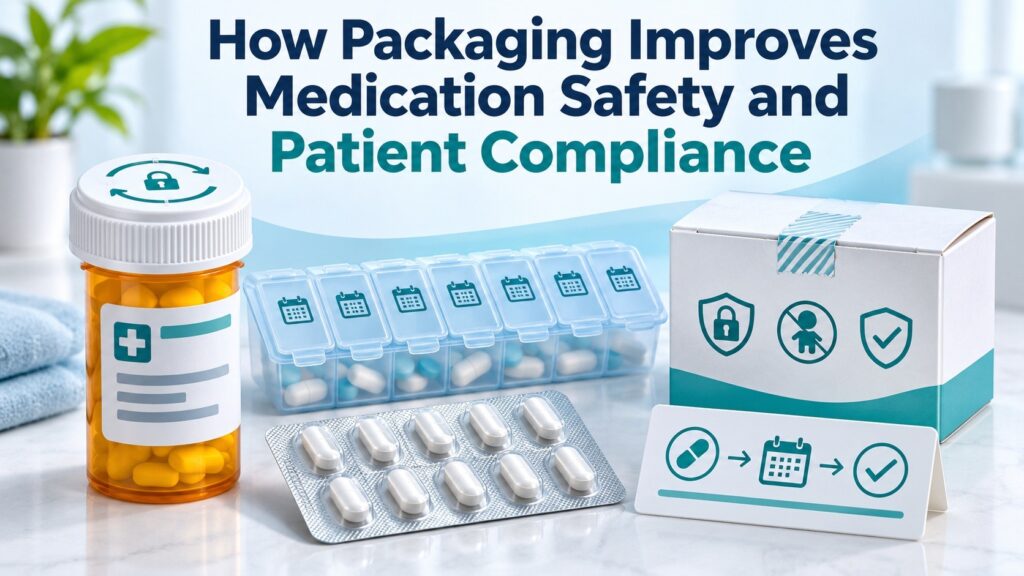
Packaging plays a much bigger role in healthcare than most people realise. Beyond holding a product, it helps protect medicines, reduce dosing errors, and support patients in following their prescribed treatment. For pharmaceutical brands, clinics, and healthcare suppliers, packaging is not just a protective layer. It is a practical tool that directly affects safety and patient outcomes.
In today’s competitive healthcare market, businesses are under pressure to deliver packaging that is secure, clear, and easy to use. This is especially important for specialised products where accuracy and protection matter most.
Why Packaging Matters in Medication Safety
Medication errors remain a serious concern across healthcare systems. Many of these errors are linked to unclear labelling, weak packaging structures, or packaging that fails to protect products during storage and transit.
Strong packaging helps in several ways:
- It protects medicines from moisture, light, and contamination
- It reduces the risk of damage during shipping and handling
- It supports clear product identification
- It helps prevent mix-ups between similar-looking products
For specialised treatments, including sensitive compounds, reliable peptide packaging is essential. These products often require controlled conditions and precise presentation to maintain stability and safety throughout the supply chain.
When packaging is designed with safety in mind, it becomes a practical barrier against preventable risks.
How Packaging Supports Patient Compliance
Patient compliance, or adherence, refers to how well patients follow their prescribed medication schedule. Poor compliance can reduce treatment effectiveness and increase healthcare costs.
Packaging can improve compliance in several practical ways:
- Clear dosage instructions printed on the pack
- Easy-to-open designs for elderly or limited-mobility patients
- Calendar-style packaging that helps track daily doses
- Secure closures that keep products organised and protected
When packaging is simple to use and clearly labelled, patients are more likely to take medication correctly and consistently. This is why pharmaceutical brands increasingly invest in packaging that combines protection with user-friendly design.
Key Packaging Features That Improve Safety and Usability
Not all packaging performs the same. The right structure and design features can significantly improve both safety and patient experience.
Important features include:
- Tamper-evident seals
- Child-resistant closures where required
- Moisture and light barriers
- Clear labelling and dosing guides
- Strong structural integrity for transport
For specialised products, custom peptide boxes are often designed with reinforced structures, precise sizing, and protective inserts. These details help keep vials and sensitive items secure while presenting the product in a professional and organised way.
Material Selection and Protection Standards
Material choice has a direct impact on product performance. Pharmaceutical packaging must balance protection, compliance, and practical handling.
Common materials used include:
- Food-grade and pharma-grade cardboard
- Corrugated board for stronger shipping protection
- Barrier films and protective liners
- Rigid structures for high-value or fragile items
The right material helps maintain product integrity from manufacturing through distribution and final use. Weak materials increase the risk of damage, while over-engineered packaging can raise costs without adding real value.
Practical Packaging Size Guide for Medication Products
Choosing the correct size is just as important as material and design. Packaging that is too large increases shipping costs and product movement, while packaging that is too small can cause pressure damage.
| Product Type | Recommended Packaging Approach | Typical Size Focus |
| Single vials | Compact protective boxes | Tight fit with inserts |
| Multi-vial kits | Reinforced cartons with dividers | Medium structured format |
| Blister packs | Flat cartons with clear branding | Slim retail-ready size |
| Oral solids | Easy-open cartons or blister sleeves | Standard pharma formats |
| Temperature-sensitive items | Insulated or barrier packaging | Size based on cold-chain needs |
A proper size guide helps brands reduce waste, improve protection, and create a better unboxing experience for clinics and patients.
Branding and Communication in Pharmaceutical Packaging
A strong packaging strategy should start with product requirements, not design preferences. Businesses need to evaluate how fragile or sensitive the product is, what storage and shipping conditions it will face, and how patients or clinics will handle the packaging in real use. Regulatory and labelling requirements also play an important role, especially in pharmaceutical and healthcare environments where clarity and compliance are essential.
At the same time, packaging should support brand presentation goals without compromising usability or protection. Choosing the right custom packaging boxes helps brands balance product safety, clear communication, and professional presentation across the supply chain. When these factors are considered together, packaging becomes a functional part of the product system rather than a last-minute decision. A well-planned approach helps reduce handling risks, improve product consistency, and create a clearer experience for both healthcare providers and end users.
Packaging for Specialised and High-Value Treatments
Specialised treatments often require more careful packaging decisions. Products that are sensitive to temperature, light, or physical impact need structures designed around real handling conditions.
This is where tailored solutions become valuable. Businesses working with high-value or sensitive products often look for partners who understand both protection standards and commercial presentation. The goal is not just to ship a product safely, but to support confidence at every stage of the journey.
Common Packaging Mistakes to Avoid
Even experienced brands can face packaging issues when decisions are made too quickly. Common problems include:
- Using generic packaging that does not fit product dimensions
- Overlooking moisture or light protection
- Crowding labels with too much text
- Choosing materials that are too weak for transit
- Ignoring patient handling needs
Avoiding these mistakes improves product performance and reduces complaints, returns, and handling risks.
Building a Practical Packaging Strategy
A strong packaging strategy should start with product requirements, not design preferences. Businesses should evaluate:
- Product fragility and sensitivity
- Storage and shipping conditions
- Patient or clinic handling needs
- Regulatory and labelling requirements
- Brand presentation goals
When these factors are considered together, packaging becomes a functional part of the product system rather than a last-minute decision.
Final Thoughts
Packaging is a practical contributor to medication safety and patient compliance. It protects products, supports clear communication, and helps patients use medicines correctly. For pharmaceutical and healthcare brands, investing in well-designed packaging is not only a quality decision but a commercial one.
Businesses that prioritise protection, clarity, and usability create stronger product experiences and reduce preventable risks. With the right structure, materials, and design approach, packaging becomes a reliable part of safer medication delivery.
Other Articles You May Find of Interest...
- Understanding PLLA and PLLA Microspheres: Properties, Manufacturing, and Applications
- How Packaging Improves Medication Safety and Patient Compliance
- How Technology Can Help On-Demand Spa Services Run More Smoothly
- Perfume Manufacturing: Quality Control, Regulatory Standards, and Skin Safety
- Why Wellness Brands Package Gift Sets in Lid-and-Base Boxes
- How to Choose a Pharmaceutical Products Manufacturer: A Practical Checklist for Buyers
- How Digital Front Doors Reduce Patient Wait Times