Your Health Magazine Contributor
4201 Northview Drive
Suite 102
Bowie, MD 20716
More Health Education Articles
Vaccinations: An Important Part Of Preventive Healthcare
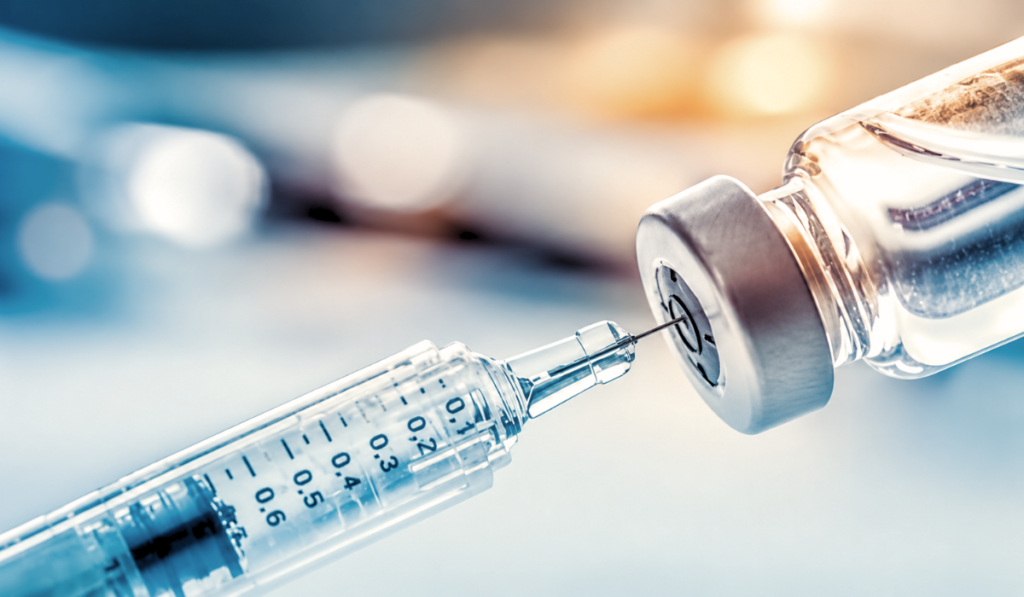
Vaccinations are one of the most widely used tools in preventive healthcare. They help prepare the immune system to recognize and respond to specific infectious diseases, reducing the likelihood of serious illness and complications. Vaccination is relevant throughout life, from routine childhood immunizations to vaccines recommended for adults, older adults, travelers, and people with particular health or occupational risks.
Although vaccines have been used for generations, questions about how they work, when they are needed, and where they can be obtained remain common. Understanding the basic principles of vaccination can help individuals have more informed conversations with healthcare professionals and make appropriate decisions based on their age, health history, lifestyle, and other circumstances.
What Are Vaccinations?
Vaccination is the process of administering a vaccine to help the body’s immune system develop protection against a particular disease. A vaccine introduces the immune system to an antigen or other material that allows it to recognize a disease-causing organism without requiring a person to experience the full disease itself.
The immune system naturally protects the body from harmful microorganisms such as viruses and bacteria. When it encounters an unfamiliar organism, it begins developing a response. Vaccines make use of this natural process by giving the immune system an opportunity to prepare in advance.
According to the Centers for Disease Control and Prevention (CDC), vaccines work by imitating an infection in a way that engages the body’s natural defenses. This process helps the immune system learn how to respond when it encounters the actual disease-causing organism in the future.
Vaccines are developed in different forms, and their exact mechanisms vary. Some use weakened or inactivated organisms, while others use specific components of a microorganism or instructions that allow the immune system to recognize an important target.
How Does Vaccination Support The Immune System?
The immune system has the ability to remember certain infectious organisms after encountering them. This concept, known as immunological memory, is central to how many vaccines provide protection.
Following vaccination, the immune system can produce antibodies and activate specialized immune cells. Some of these cells remain in the body and can respond more quickly if the same disease-causing organism is encountered later.
This does not mean that every vaccine guarantees that a person will never become infected. The degree and duration of protection vary depending on the vaccine, disease, individual immune response, age and other factors. However, vaccination can significantly improve the body’s ability to respond to certain infections and can reduce the risk of severe disease associated with a number of vaccine-preventable illnesses.
Protection also does not necessarily develop immediately after receiving a vaccine. The immune system may require time to build an effective response.
Why Are Some Vaccines Given More Than Once?
One common question about vaccination concerns why some vaccines require multiple doses while others may be administered less frequently.
The answer depends partly on how the vaccine stimulates the immune system and how long the resulting protection lasts. An initial dose may begin the immune response, while additional doses can strengthen or maintain it.
Some vaccines are administered as a series of doses during childhood. Others require booster doses later in life. Certain vaccines are also updated periodically to respond to changing disease patterns or circulating strains.
Seasonal influenza vaccination is a familiar example. Influenza viruses change over time, so vaccines are updated regularly to provide protection against strains expected to circulate during a particular season.
Because recommendations can change, individuals should rely on current guidance from qualified healthcare professionals rather than assuming that a vaccine received many years ago still provides all necessary protection.
Vaccination Across Different Stages Of Life
Vaccination is sometimes associated primarily with childhood, but immunization can remain important throughout adulthood.
Children commonly receive vaccines according to an age-based schedule intended to provide protection during periods when they may be particularly vulnerable to certain infections. Parents and caregivers should discuss the appropriate schedule with their child’s healthcare provider, especially when a dose has been delayed or missed.
Adults may also need vaccinations based on their age, previous vaccination history, occupation, travel plans and health circumstances. In some situations, immunity from an earlier vaccine can decrease over time, making a booster appropriate.
Older adults may have additional considerations because the immune system changes with age. Certain infections can also have more serious consequences among older populations.
Rather than thinking about vaccination as something that ends after childhood, it can be helpful to consider vaccination history as part of ongoing preventive healthcare.
Common Types Of Vaccines
Vaccines can be classified according to the way they present an antigen or other information to the immune system.
Live attenuated vaccines use a weakened version of an organism capable of producing a strong immune response without causing the disease in the same way as the naturally occurring organism in most healthy recipients. Because they contain a live, weakened organism, however, they may not be appropriate for everyone.
Inactivated vaccines use organisms that have been killed or otherwise made unable to reproduce. Other vaccines use only selected components of an organism rather than the entire organism.
Additional technologies include recombinant, subunit and conjugate vaccines, as well as mRNA-based vaccines. Different technologies have different advantages and considerations, but they share the broad objective of preparing the immune system to respond to a specific threat.
Healthcare professionals can explain which type of vaccine is being recommended and whether there are individual considerations that should be discussed before administration.
Where Can People Receive Vaccinations?
Vaccinations are available through a variety of healthcare settings. Depending on the vaccine and local availability, people may receive immunizations at medical practices, public health clinics, hospitals, community health centers and pharmacies.
Community pharmacies can be particularly convenient because people may already visit them regularly to fill prescriptions or discuss medication-related questions.
For example, Preferred Rx provides vaccination services as part of its broader pharmacy and wellness offerings. Its published information notes that its wellness services include vaccines and travel-health support.
Before visiting a pharmacy or clinic for a particular vaccine, it can be useful to confirm availability, eligibility requirements, appointment policies and insurance coverage. Vaccine availability can vary, and some immunizations may need to be ordered or scheduled in advance.
Vaccinations And Travel
International travel is another situation in which vaccination history may become particularly important.
Travel can expose people to diseases that are uncommon in their home communities. Depending on the destination, planned activities, duration of travel and personal health circumstances, specific vaccines may be recommended or required.
Travelers should ideally review their vaccination history before departure rather than waiting until immediately before their trip. Some vaccines require multiple doses, while others need time for an adequate immune response to develop.
A healthcare professional or travel-health service can review an individual’s itinerary and determine which vaccinations or other preventive measures may be appropriate.
Travel health is not limited to vaccination. Depending on the destination, travelers may also need guidance regarding food and water safety, insect-borne illnesses, medications and other preventive precautions.
What To Expect After Vaccination
Vaccines, like medications and other medical interventions, can cause side effects.
Many commonly reported reactions are mild and temporary. Depending on the vaccine, these can include soreness or redness around the injection site, fatigue, headache, muscle aches or a mild fever. Such symptoms generally resolve without requiring significant treatment.
More serious reactions are possible but are much less common. Anyone who has experienced a serious allergic reaction to a previous vaccine or has known allergies to vaccine components should discuss this information with a healthcare professional before vaccination.
People who are pregnant, immunocompromised, taking certain medications or managing particular medical conditions may also require individualized advice because not every vaccine is suitable for every person.
A pharmacist, physician or other qualified healthcare professional can review relevant health information and explain what to expect before and after vaccination.
Vaccine Safety And Ingredients
Questions about vaccine ingredients are common. Vaccines contain ingredients for specific purposes, such as generating the desired immune response, maintaining stability or preventing contamination during manufacturing and storage.
According to CDC vaccine information, ingredients may include antigens, stabilizers, adjuvants, preservatives or small residual amounts of materials used during production, depending on the particular vaccine. Not every vaccine contains the same ingredients.
People with concerns about a particular ingredient should ask a healthcare professional to review the specific vaccine rather than making assumptions about vaccines as a single category.
Healthcare providers can also review allergies and previous reactions before vaccination when relevant.
Keeping Vaccination Records Organized
Maintaining an accurate vaccination record can make preventive healthcare easier to manage.
Records can help healthcare professionals determine whether a person has completed a vaccine series, needs a booster or may have missed a recommended immunization. They can also be important for school, employment, international travel and certain healthcare settings.
Individuals may have vaccination information stored across several locations, particularly if they have moved or changed healthcare providers. Records might be available from previous physicians, pharmacies, public health departments, schools or immunization registries.
When receiving a new vaccine, it is useful to keep documentation that includes the vaccine administered and the date it was given.
Questions To Ask Before Getting Vaccinated
A conversation with a healthcare professional can help determine which vaccines are appropriate for an individual. Useful topics include current vaccination history, previous reactions, allergies, medications, pregnancy status, underlying health conditions and upcoming travel.
It can also be helpful to ask whether additional doses will be required and when they should be scheduled.
For people who are uncertain about their vaccination history, healthcare professionals can advise on appropriate next steps rather than relying on guesswork.
The Broader Role Of Vaccination
Vaccination provides benefits at both individual and community levels. At the individual level, vaccines prepare the immune system to respond to specific diseases. At a population level, widespread immunity can also make it more difficult for some infectious diseases to spread.
This broader effect can be particularly important for people who are unable to receive certain vaccines because of age, medical conditions or other contraindications.
Vaccination programs have therefore become an important component of public health alongside sanitation, disease surveillance, access to healthcare and other preventive measures.
Conclusion
Vaccinations remain an important part of preventive healthcare at many stages of life. By preparing the immune system to recognize particular disease-causing organisms, vaccines can reduce the risk of certain infections and, importantly, the likelihood of serious complications from vaccine-preventable diseases.
Vaccination needs are not identical for everyone. Age, medical history, previous immunizations, occupation, travel plans and individual risk factors can all influence which vaccines may be appropriate.
Keeping vaccination records current and discussing them periodically with a qualified healthcare professional can help identify missed doses, boosters or new recommendations. Pharmacies and other community healthcare providers can also make access to vaccination services more convenient.
Anyone considering vaccination should seek individualized guidance from a qualified healthcare professional, particularly when there is a history of severe allergic reactions, pregnancy, immune-system conditions or other significant health considerations. A short review of your vaccination record with a pharmacist or healthcare provider can be a practical next step toward keeping preventive care up to date.
Other Articles You May Find of Interest...
- Your COA Says “Pass.” Here’s How to Check the Lab Agrees.
- How to Make a Nutrition Facts Label for Your Food Product: A Step-by-Step Guide
- How to Count Respirations in 15 Seconds
- Are There Lymph Nodes in the Lower Leg?
- Why Blood Plasma Is Yellow
- How to Measure Respiration Rate Accurately
- Where Are the Pores of Sweat Glands Located?