






Your Health Magazine Contributor
4201 Northview Drive
Suite 102
Bowie, MD 20716
More Health Education Articles
Understanding Delayed Onset With THC Edibles And Why It Matters For Consumers

You take a THC edible and wait for the effects to appear. Ten minutes pass, then more time goes by, but you still feel nothing. That delay can be confusing, especially if you are used to inhaled cannabis.
Edibles follow a different path through your body, so effects may take longer to become noticeable.
Understanding delayed onset helps you set realistic expectations. Digestion, liver metabolism, food, product formulation, and personal factors can all influence timing. When you understand those factors, you are less likely to assume an edible is not working or take another serving too soon.
You may also notice differences from one occasion to another. Learning what affects onset can help you understand why those differences occur and make informed choices about edible use.
This article explains why THC edibles’ delayed effects can occur, what can change their timing, and how you can approach them with greater care.
1. Understand Delayed Onset
THC edibles take a different route through your body than inhaled cannabis.
When you eat a gummy, THC moves through your digestive system before being absorbed. Your liver then metabolizes the absorbed THC. Because these processes take time, you may not notice effects as quickly as you would after inhalation.
Oral THC can also produce a slower and more variable response. Digestion and metabolism can affect when THC and its metabolites become available in your system. The result can feel different from smoking or vaping, where cannabinoids enter the bloodstream through the lungs and effects can become noticeable more quickly.
That difference matters when you choose products such as Tre House THC gummies. You should view edible onset as a variable period rather than an exact time. Understanding the process can help you avoid judging a product too quickly based only on how you feel shortly after consumption.
2. Give Your Body Time

A common mistake with edibles occurs when you expect fast results. You take a serving, wait briefly, and decide that nothing is happening. However, the edible may still be moving through digestion and absorption. A lack of immediate effects does not necessarily mean the product is ineffective.
Taking another serving too soon can lead to unintended stacking. The first serving may still be taking effect when you consume more THC. Once both amounts become active, the overall experience may be stronger or last longer than you expected. Delayed onset therefore makes patience particularly important with edible products.
Give your body adequate time to respond before making decisions about additional consumption. Plan your use around a period when you do not need to drive or operate machinery. If you feel impaired, avoid activities that require coordination, judgment, or full attention.
3. Check Product Factors
Product formulation can affect how quickly cannabinoids become available to your body. Gummies, baked goods, beverages, oils, and other edible formats can have different absorption characteristics. The formulation and route of administration can therefore contribute to differences in how quickly you notice effects.
Food intake can also influence the timing of edible effects. Eating before or with an edible may change how quickly your body absorbs cannabinoids. The amount and composition of food can also contribute to variation. For that reason, the same labeled amount may not produce an identical experience every time.
Product labels provide an important starting point. Check the THC amount per serving and the total amount contained in the package. Confirm how many servings the package contains before consuming anything. Understanding those details helps you know exactly what the labeled serving represents and reduces the chance of accidental overconsumption.
4. Consider Personal Factors
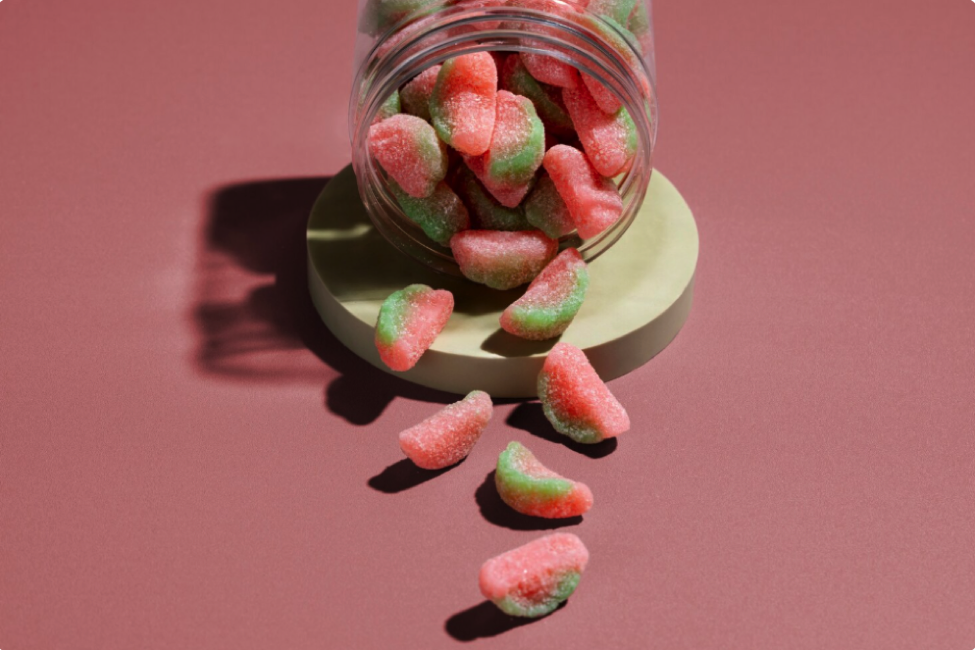
Your individual response can influence both onset and intensity. Metabolism, tolerance, previous cannabis exposure, body chemistry, and other personal factors can contribute to differences between consumers. Two people can consume the same labeled amount and notice effects at different times.
Medications and health circumstances can also affect how you respond to cannabinoids. THC may interact with certain medications, and some people may need additional guidance before using THC products. If you take prescription medication or have concerns about potential interactions, speak with a qualified healthcare professional before use.
Your previous experiences should also not become a fixed expectation. A response from one occasion does not guarantee the same response later. Paying attention to factors such as the product, labeled THC amount, food intake, and timing can help you recognize why your experiences may vary.
5. Follow Safer Practices
Responsible use starts with understanding product information. Read the label before consuming a THC edible and check the serving size carefully. Keep the original packaging available so you can review the ingredients, THC information, and other product details when needed.
Secure storage is also important because THC gummies can resemble ordinary candy. Keep products in their original packaging and store them away from children and pets. If accidental ingestion occurs, seek appropriate medical or poison-control guidance and keep the product packaging available for reference.
You should also treat impairment seriously. Do not drive or operate machinery after consuming a THC edible if you feel impaired. Avoid rushing into another serving simply because effects have not appeared yet. Giving your body adequate time and following the product information can help you make more responsible decisions.
Conclusion
Delayed onset is a key difference between THC edibles and inhaled cannabis. Digestion, liver metabolism, food, product formulation, and personal factors can all influence when you notice effects. Because timing varies, taking another serving too soon can increase the chance of stronger or longer-lasting effects than you intended.
Before using a THC edible, read the label and understand the serving information. Give your body adequate time to respond instead of judging the product too quickly. The practical takeaway is simple: do not rush the process. Understanding delayed onset can help you make more informed and responsible choices.
Other Articles You May Find of Interest...
- Your COA Says “Pass.” Here’s How to Check the Lab Agrees.
- How to Make a Nutrition Facts Label for Your Food Product: A Step-by-Step Guide
- How to Count Respirations in 15 Seconds
- Are There Lymph Nodes in the Lower Leg?
- Why Blood Plasma Is Yellow
- How to Measure Respiration Rate Accurately
- Where Are the Pores of Sweat Glands Located?





