






More Health Education Articles
Systemic Physiology: How the Body’s Major Systems Work Together
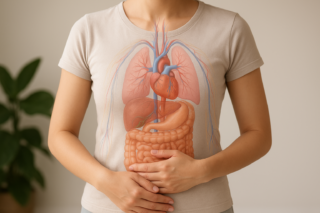
By Your Health Magazine Health Information Team
You stand up quickly and feel your heart beat faster. You walk into the heat and begin to sweat. You eat lunch, and hours later your cells are still receiving a controlled supply of energy. These ordinary events may seem automatic, but each requires several organs to sense change, exchange signals, and adjust their activity. Understanding that coordination is the key to answering the question: what is systemic physiology?
What Is Systemic Physiology?
Systemic physiology is the study of how the body’s organ systems function and interact to support the whole person. Instead of examining a single cell or organ in isolation, it considers relationships among systems such as the nervous, cardiovascular, respiratory, endocrine, digestive, urinary, immune, and musculoskeletal systems.
Anatomy describes the body’s structures, while physiology explains how those structures work. Systemic physiology brings those functions together. For example, the lungs move oxygen into the blood, the heart and blood vessels transport it, and cells use it to release energy from nutrients. The nervous and endocrine systems help regulate the process according to the body’s needs.
This whole-body perspective also helps explain why a problem that begins in one area can produce symptoms elsewhere. Heart function can influence kidney function, hormone changes can affect mood and metabolism, and lung disease may reduce exercise tolerance throughout the body.
Homeostasis: The Body’s Ongoing Balancing Process
A central idea in systemic physiology is homeostasis—the body’s ability to maintain a relatively stable internal environment while conditions continually change. Stable does not mean motionless. Heart rate, blood pressure, temperature, breathing, blood sugar, fluid levels, and other measurements naturally fluctuate, but regulatory mechanisms generally keep them within workable ranges.
Many of these mechanisms operate through negative feedback. A receptor detects a change, a control center interprets the information, and an organ or tissue produces a response that moves conditions back toward an appropriate range.
Temperature regulation offers a familiar example. When the body becomes too warm, the nervous system helps trigger sweating and changes blood flow near the skin so heat can escape. When the body becomes cold, muscles may shiver to generate heat, and blood vessels near the skin may narrow to reduce heat loss. Skin, muscles, nerves, and the cardiovascular system all participate.
How the Major Body Systems Work Together
Cardiovascular and Respiratory Systems
The respiratory system brings oxygen into the lungs and removes carbon dioxide. The cardiovascular system carries these gases between the lungs and tissues. During exercise, working muscles require more oxygen and produce more carbon dioxide. Breathing becomes deeper or faster, heart rate rises, and blood flow is redirected to meet increased demand.
This partnership also helps regulate the blood’s acid-base balance. Changes in carbon dioxide are detected by specialized sensors that communicate with the brainstem, which can adjust breathing. The kidneys provide slower, longer-term support by controlling acids and bicarbonate.
Nervous and Endocrine Systems
The nervous system sends rapid electrical and chemical signals, while the endocrine system releases hormones that travel through the bloodstream. Together, they coordinate functions ranging from stress responses and digestion to growth, reproduction, sleep, and metabolism.
Imagine narrowly avoiding a collision while driving. The autonomic nervous system can quickly increase heart rate, open the airways, and direct more blood toward skeletal muscles. Stress hormones help make fuel available. After the danger passes, other nerve signals support a return toward resting conditions.
Digestive System, Liver, and Metabolism
After a meal, the digestive system breaks food into absorbable components. Nutrients pass into the circulation, and the liver processes, stores, or redistributes many of them. Hormones help determine whether glucose is used immediately or stored for later.
Digestion also depends on nerves, smooth muscle, blood flow, and secretions from multiple organs. This is one reason stress or illness can affect appetite and bowel habits even when the digestive tract is not the original source of the problem.
Kidneys, Circulation, and Hormones
The kidneys filter blood and adjust the amount of water, electrolytes, acids, and waste products leaving the body. They work closely with the cardiovascular and endocrine systems to influence blood volume and blood pressure.
If fluid volume falls, hormonal and nervous signals can encourage thirst, reduce water loss through the kidneys, and support circulation. If the body has excess water or certain electrolytes, kidney function can adjust their excretion. This regulation is essential because cells depend on a carefully controlled fluid environment.
Muscles, Bones, and Movement
Movement requires more than muscles and bones. The brain plans an action, nerves carry instructions, sensory receptors report body position, and muscles contract around joints. The respiratory and cardiovascular systems deliver oxygen and nutrients, while the skin helps release excess heat.
Bones also serve functions beyond providing structure. Bone tissue stores minerals, and bone marrow produces blood cells. Hormones, nutrition, weight-bearing activity, kidney function, and digestive absorption can all affect skeletal health.
Immune System and Whole-Body Responses
The immune system communicates with nearly every part of the body. During an infection or injury, immune signals can contribute to inflammation, fever, fatigue, and changes in appetite. These responses involve interactions among immune cells, the brain, blood vessels, hormones, and metabolism.
Inflammation can be protective when it is appropriately controlled, but persistent or excessive inflammation may disrupt normal tissue function. This demonstrates an important principle of systemic physiology: a useful response in one context can become harmful when its timing, intensity, or duration is inappropriate.
Why Systemic Physiology Matters in Everyday Life
Systemic physiology explains why basic health habits can have effects throughout the body. Physical activity challenges the heart, lungs, muscles, nerves, and temperature-control mechanisms together. Sleep is linked with nervous, hormonal, metabolic, cardiovascular, and immune activity. Food supplies materials needed by every tissue, while hydration supports circulation, temperature regulation, digestion, and kidney function.
It also provides context for common medical measurements. Pulse, blood pressure, breathing rate, temperature, blood oxygen, glucose, and electrolyte levels offer clues about how well different regulatory systems are working together. A single result rarely tells the complete story, so healthcare professionals interpret measurements alongside symptoms, medical history, medications, and other findings.
Visual learning can make these relationships easier to picture. This explanation of how 3D animation supports understanding of human physiology shows how dynamic models can clarify processes that are difficult to see in a flat diagram.
When to Seek Care
Because organ systems are interconnected, persistent or unexplained symptoms deserve attention even when their source is unclear. Consider contacting a primary care professional if you experience ongoing fatigue, unusual changes in heart rate, recurring dizziness, swelling, changes in urination, digestive symptoms, reduced exercise tolerance, unexplained weight changes, or symptoms that interfere with daily life.
Seek urgent or emergency care for severe trouble breathing, chest pain or pressure, fainting, sudden confusion, new one-sided weakness, blue or gray lips, uncontrolled bleeding, or other sudden and severe symptoms. Depending on the findings, a primary care clinician may coordinate evaluation or refer you to a cardiologist, pulmonologist, endocrinologist, neurologist, gastroenterologist, nephrologist, or another specialist.
Seeing the Body as an Integrated Network
The simplest answer to “what is systemic physiology?” is that it examines how organs and body systems operate as an interconnected network. No major system works entirely alone. Breathing supports circulation, circulation supports every tissue, nerves and hormones coordinate responses, and the kidneys, skin, liver, lungs, and digestive tract continually help maintain internal balance.
For reliable general information organized by body system and health condition, readers can explore the MedlinePlus health topics directory. Learning how these systems cooperate can make symptoms, medical tests, and everyday health choices easier to understand—without reducing the body to a collection of separate parts.
Other Articles You May Find of Interest...
- Your COA Says “Pass.” Here’s How to Check the Lab Agrees.
- How to Make a Nutrition Facts Label for Your Food Product: A Step-by-Step Guide
- How to Count Respirations in 15 Seconds
- Are There Lymph Nodes in the Lower Leg?
- Why Blood Plasma Is Yellow
- How to Measure Respiration Rate Accurately
- Where Are the Pores of Sweat Glands Located?





